Being John Malkovich
1999
No user ratings available yet
Representation score: 6.0 out of 10
Representation Score
Excellent
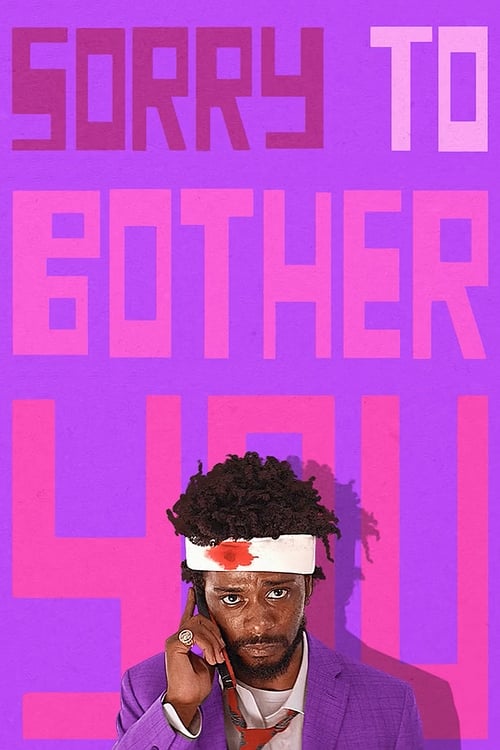
2018
RDirector
Boots Riley
Runtime
112 minutes
Average Rating
No ratings yetNew Showbiz Analysis
Boots Riley presents a sophisticated critique of conventional social and economic norms. The film's strongest point is its deep exploration of racial identity as a central narrative element, going beyond simple inclusion to challenge systemic power structures. While the film excels in critiquing racial and cultural norms, it lacks depth in representing LGBTQ+ and disability communities. These elements are mostly metaphorical rather than centered through specific character identities. Overall, the work stands out as a powerful deconstruction of Western institutional frameworks and racial hierarchies, making it a crucial piece of multi-layered storytelling.
Category Breakdown
The film touches on the fluidity of identity but does not feature many prominent LGBTQ+ characters or explicit same-sex relationships.
Female characters like Detroit are shown as independent individuals rather than following traditional gender roles. The story focuses on complex personal relationships rather than hierarchical structures.
The film centers the Black experience in an alternate Oakland, featuring a predominantly Black cast. It uses surreal imagery to critique racial performance and assimilation.
The narrative critiques Western capitalism and corporate dominance. It highlights how success often requires abandoning one's core identity.
Themes of bodily autonomy and physical change are explored. However, the film focuses more on metaphorical shifts than the actual experiences of recognized disabilities.
Present on Screen
Limited or Absent
Official Synopsis
In an alternate present-day version of Oakland, black telemarketer Cassius Green discovers a magical key to professional success – which propels him into a macabre universe.
1999
1984

2009
1989

2015

2009

1996
1992
No reviews yet. Be the first to share your thoughts on this movie!
Use the rating form above to leave a star rating and optional review.