
Meeting Sebastião Salgado
2012
No user ratings available yet
Representation score: 6.3 out of 10
Representation Score
Excellent
2014
PG-13Director
Juliano Ribeiro Salgado, Wim Wenders
Runtime
110 minutes
Average Rating
No ratings yetNew Showbiz Analysis
The film is a powerful documentary that shifts the focus away from Western-centric views to highlight populations in the Global South. It succeeds by treating these communities with dignity rather than as mere victims of circumstance. Its greatest strength lies in its intersection of racial and cultural representation, offering a rigorous critique of the economic systems driving global inequality. The narrative structure prioritizes understanding systemic issues over individualistic storytelling. However, the film lacks diversity in LGBTQ+ representation and specific disability narratives. While the focus on humanitarian crises is intentional, these specific identity-based perspectives are largely absent from the scope.
Category Breakdown
The film does not prominently feature LGBTQ+ stories or non-cisgender identities. Instead, it focuses on humanitarian and environmental issues rather than queer perspectives.
Lélia Wanick Salgado is shown as a key intellectual and professional partner rather than just a spouse. Her role as a producer challenges the idea of the lone male creator.
The documentary excels by focusing on non-Anglo-Saxon populations from the Global South. It portrays the resilience and complex humanity of workers and refugees facing systemic crises.
The film provides a sophisticated look at global economic structures and the impact of post-colonial pressures. It highlights the systemic failures affecting developing nations and displaced communities.
While the film does not specifically address disability narratives, it documents the physical toll of famine and manual labor. It portrays bodily vulnerability as a central part of the human experience.
Present on Screen
Limited or Absent
Official Synopsis
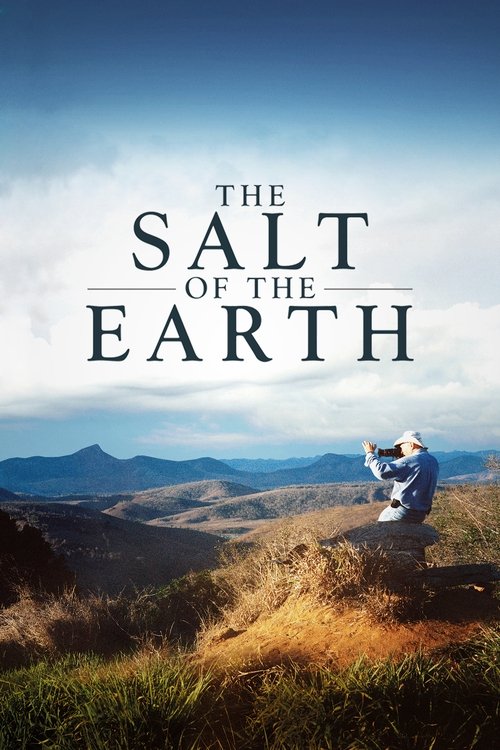
During the last forty years, the photographer Sebastião Salgado has been travelling through the continents, in the footsteps of an ever-changing humanity. He has witnessed the major events of our recent history: international conflicts, starvations and exodus… He is now embarking on the discovery of pristine territories, of the wild fauna and flora, of grandiose landscapes: a huge photographic project which is a tribute to the planet's beauty. Salgado's life and work are revealed to us by his son, Juliano, who went with him during his last journeys, and by Wim Wenders, a photographer himself.
2012

2021
2022
2013
2021
2015

2024
2017
No reviews yet. Be the first to share your thoughts on this movie!
Use the rating form above to leave a star rating and optional review.