
First Man
2018
No user ratings available yet
Representation score: 2.4 out of 10
Representation Score
Fair
2016
PGDirector
Theodore Melfi
Runtime
127 minutes
Average Rating
No ratings yetNew Showbiz Analysis
Hidden Figures succeeds by centering the intersection of race and gender, making Black women the indispensable agents of the Space Race. Rather than treating diversity as a peripheral element, the film places these women at the heart of high-stakes intellectual labor. The narrative effectively critiques institutional racism and gender hierarchies by showing how the protagonists dismantle structural obstacles. This approach transforms a historical drama into a sophisticated study of ability to act and systemic reform. While the film lacks LGBTQ+ representation and disability narratives, its focus on racial and gendered excellence provides a powerful disruption of traditional cinematic hierarchies.
Category Breakdown
The film focuses on the domestic and professional lives of its protagonists within the social realities of the early 1960s. It does not include LGBTQ+ characters or explore queer identities.
The narrative challenges mid-century hierarchies by positioning women as the primary drivers of the plot. These protagonists use their mathematical intellect to subvert clichés of female passivity in STEM roles.
By centering Black women in a predominantly white field, the film provides exceptional representation. It critiques systemic barriers like segregated facilities while showcasing the characters' immense ability to act and merit.
The story frames Jim Crow-era segregation as an oppressive systemic barrier. While it critiques these moral failings, it maintains patriotic cohesion by linking social progress to the American scientific mission.
There are no prominent depictions of physical or neurodivergent disabilities that serve as central narrative drivers in this story.
Present on Screen
Limited or Absent
Official Synopsis
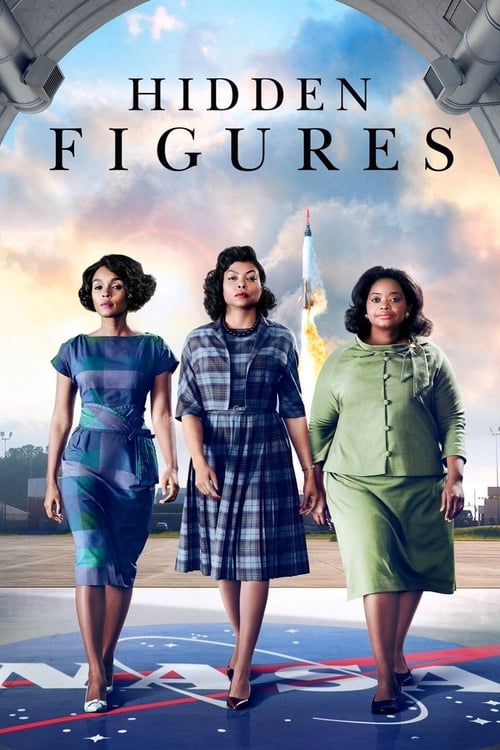
The untold story of Katherine G. Johnson, Dorothy Vaughan and Mary Jackson – brilliant African-American women working at NASA and serving as the brains behind one of the greatest operations in history – the launch of astronaut John Glenn into orbit. The visionary trio crossed all gender and race lines to inspire generations to dream big.
2018
1990

2018

2013

2023
1959
2019
1995
No reviews yet. Be the first to share your thoughts on this movie!
Use the rating form above to leave a star rating and optional review.