
Kiki
2016
No user ratings available yet
Representation score: 7.3 out of 10
Representation Score
Excellent
1991
RDirector
Jennie Livingston
Runtime
78 minutes
Average Rating
No ratings yetNew Showbiz Analysis
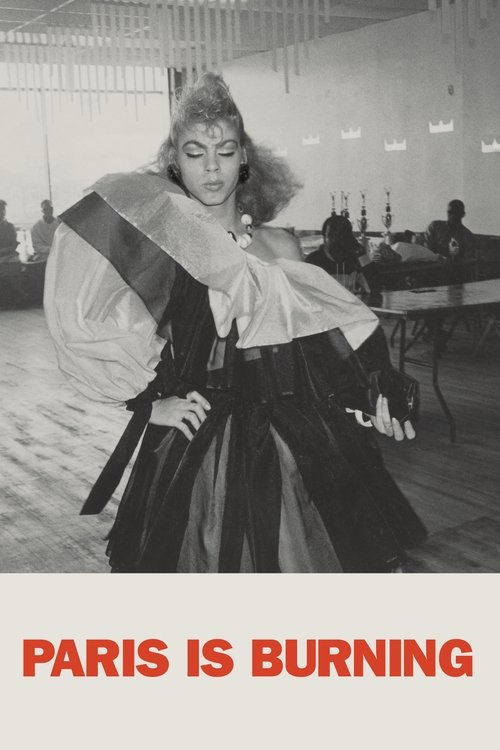
Paris Is Burning is a landmark study of the 1980s Harlem ballroom scene, offering an intimate look at how underrepresented communities navigate identity and survival. It excels by centering the multi-layered experiences of Black and Latinx LGBTQ+ individuals, moving beyond mere observation to explore how they perform gender and class. The film's strength lies in its subversion of traditional social hierarchies. By highlighting chosen families and the fluidity of gender performance, it provides a profound critique of mainstream Western institutions. While it lacks a specific focus on disability, the presence of the HIV/AIDS crisis provides a raw look at systemic vulnerability. Ultimately, the documentary serves as a vital portrait of resilience. It captures a specific cultural moment where identity is both a performance and a tool for survival against racism, homophobia, and poverty.
Category Breakdown
The film centers on trans women, drag queens, and gay men, treating their identities as central to the narrative rather than secondary elements.
It focuses on the performance of femininity and masculinity, highlighting gender fluidity. The 'House' structure replaces traditional patriarchal models with chosen familial hierarchies based on mentorship.
The documentary centers on Black and Latinx identities, exploring how race intersects with class through the concept of 'realness' and socioeconomic archetypes.
The narrative critiques Western institutions like the nuclear family and capitalism. It prioritizes the concept of 'chosen family' as a vital alternative to traditional social structures.
While disability is not a primary narrative driver, the film captures the physical and mental toll of the HIV/AIDS crisis, showing the community's vulnerability to systemic health failures.
Present on Screen
Limited or Absent
Official Synopsis
Where does voguing come from, and what, exactly, is throwing shade? This landmark documentary provides a vibrant snapshot of the 1980s through the eyes of New York City's African American and Latinx Harlem drag-ball scene. Made over seven years, PARIS IS BURNING offers an intimate portrait of rival fashion "houses," from fierce contests for trophies to house mothers offering sustenance in a world rampant with homophobia, transphobia, racism, AIDS, and poverty. Featuring legendary voguers, drag queens, and trans women — including Willi Ninja, Pepper LaBeija, Dorian Corey, and Venus Xtravaganza.
2016

2017
2006
2020

2018
2005

2019
2023
No reviews yet. Be the first to share your thoughts on this movie!
Use the rating form above to leave a star rating and optional review.