Bessie
2015
No user ratings available yet
Representation score: 7.2 out of 10
Representation Score
Excellent
2020
RDirector
George C. Wolfe
Runtime
93 minutes
Average Rating
No ratings yetNew Showbiz Analysis
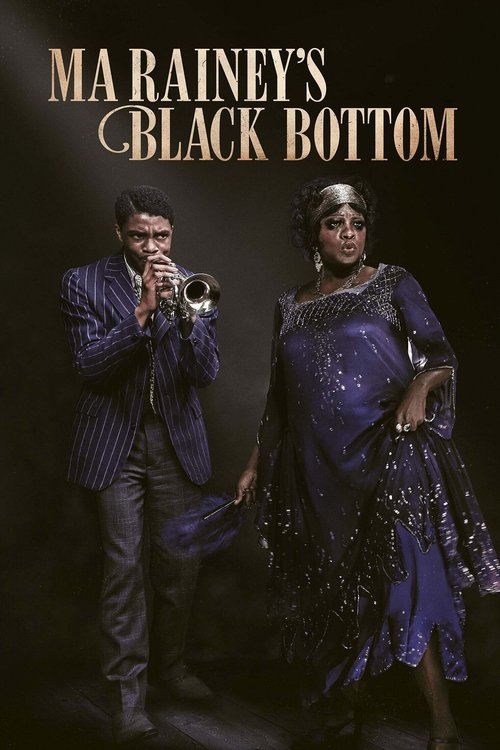
George C. Wolfe's adaptation uses a 1927 setting to dissect systemic power dynamics. The film excels by centering a Black woman’s influence against a backdrop of institutional oppression, avoiding a sanitized view of history. The strength of the work lies in its racial and gendered depth. By framing the white-owned recording industry as a predatory entity, the film provides a masterful study of how identity and labor intersect within oppressive frameworks. However, the film's scope is narrow regarding certain identities. The focus on historical realism and the specific source material results in a lack of explicit LGBTQ+ representation and a limited exploration of disability.
Category Breakdown
The film focuses on race, gender, and labor rather than LGBTQ+ identity. It explores deep interpersonal intimacy but does not include explicit stories about non-straight or non-cisgender identities.
Ma Rainey is a strong central character with significant influence. She successfully navigates and controls a male-dominated industry to maintain control over her art.
The film features an entirely Black cast, highlighting Black experiences during the Jim Crow era. It examines the exploitation of Black creators within the recording industry.
The film critiques racial capitalism and corrupt economic structures. It challenges the morality of 1920s institutions through identity-based power dynamics.
The film does not focus on specific disability narratives. Instead, it touches on the psychological impact of oppression and substance use as coping mechanisms.
Present on Screen
Limited or Absent
Official Synopsis
Tensions rise when the trailblazing Mother of the Blues and her band gather at a Chicago recording studio in 1927. Adapted from August Wilson's play.
2015

1981

2006

1988

2021
2016

2021
2015
No reviews yet. Be the first to share your thoughts on this movie!
Use the rating form above to leave a star rating and optional review.