
Kirikou and the Men and Women
2012
No user ratings available yet
Representation score: 4.6 out of 10
Representation Score
Fair
1998
PGDirector
Michel Ocelot
Runtime
71 minutes
Average Rating
No ratings yetNew Showbiz Analysis
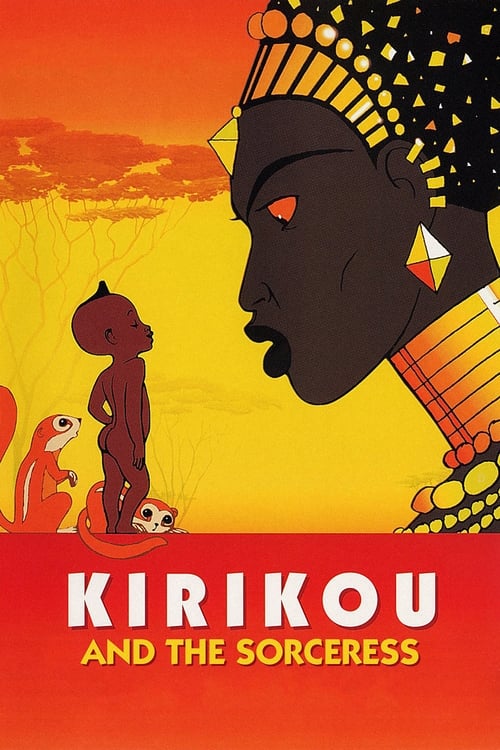
Kirikou and the Sorceress stands out as a landmark of inclusive animation by centering West African folklore through an authentic, self-determined lens. It successfully rejects the exoticized perspectives common in Western media, opting instead for deep racial and cultural specificity. The film's strength lies in its narrative complexity, particularly in how it challenges traditional hero-versus-monster clichés. By framing the antagonist's actions through the lens of systemic trauma, the story provides a more nuanced exploration of power. While the film excels in racial and cultural authenticity, it lacks representation for LGBTQ+ identities. However, its subversion of traditional gender hierarchies and its rejection of simplistic moral binaries provide a sophisticated viewing experience.
Category Breakdown
The film does not depict any LGBTQ+ identities or relationships outside of the assumption that everyone is straight. The story focuses on community healing and identity rooted in post-colonial history.
Karaba is a powerful figure who challenges male-dominated structures. Kirikou also challenges expectations by showing intelligence and influence that surpasses the village's adult males.
The film features an entirely West African cast and setting. It avoids Eurocentric designs and uses diverse skin tones and traditional patterns to create an authentic atmosphere.
The story uses West African folklore to explore moral ambiguity. It frames the antagonist's actions as a response to historical trauma and systemic issues.
The film does not use characters as plot devices for disability-related themes. The focus is on the intersection of folklore and character's ability to drive the story rather than physical limitations.
Present on Screen
Limited or Absent
Official Synopsis
Drawn from elements of West African folk tales, it depicts how a newborn boy, Kirikou, saves his village from the evil witch Karaba.
2012
2006

2005
1968

2015
2000
2009

2011
No reviews yet. Be the first to share your thoughts on this movie!
Use the rating form above to leave a star rating and optional review.