
I Know Where I'm Going!
1945
No user ratings available yet
Representation score: 3.6 out of 10
Representation Score
Excellent
1993
RDirector
Jane Campion
Runtime
120 minutes
Average Rating
No ratings yetNew Showbiz Analysis
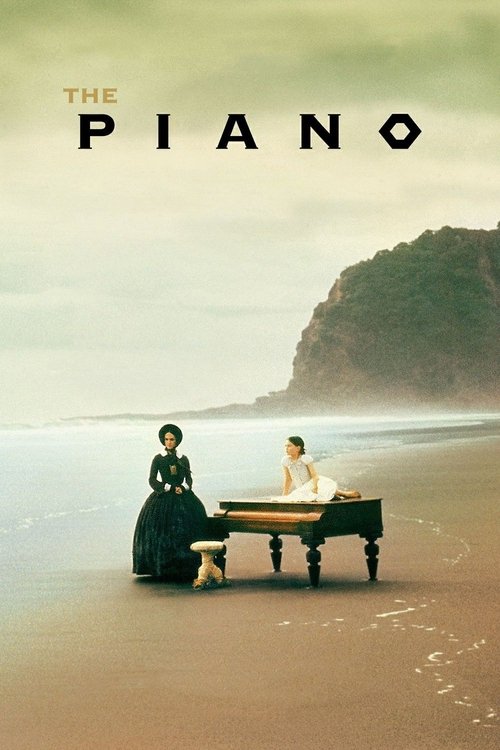
Jane Campion’s drama effectively deconstructs colonial and patriarchal structures. It excels by focusing on a female experience that prioritizes emotional independence over societal conformity, especially through the nuanced portrayal of a non-verbal protagonist. While the film stands out in representing gender and disability, it remains limited by its emphasis on settler-centric narratives. The depiction of Māori characters offers a necessary cultural contrast but does not provide the same level of narrative ability to act seen in the European characters. Overall, the film successfully explores individual resistance against oppressive social norms, though it does not address LGBTQ+ identities or non-straight perspectives.
Category Breakdown
The film does not include explicit LGBTQ+ characters or explore non-straight relationships. The main focus is on heterosexual tension between the protagonist and male leads.
Ada McGrath challenges Victorian gender roles through her intelligence and strong character. The film emphasizes her sexual awakening over her traditional role as a submissive wife, breaking down patriarchal control.
The presence of Māori characters provides a crucial counterpoint to the destructive influence of Western colonization. However, the narrative focus remains centered on the settler characters rather than the indigenous population.
The film criticizes Western institutional practices by depicting marriage and religious morality as oppressive. It portrays social rebellion as a necessary step towards personal freedom.
Ada’s mutism is shown with sensitivity, avoiding pity. Her piano playing serves as a powerful means of communication and a source of strength.
Present on Screen
Limited or Absent
Official Synopsis
When an arranged marriage brings Ada and her spirited pre-teen daughter Flora to the wilderness of 19th-century New Zealand, she finds herself locked in a battle of wills with both her controlling husband and a rugged frontiersman to whom she develops a forbidden attraction.
1945
1993

1993
1927
1986
1945
1995
1919
No reviews yet. Be the first to share your thoughts on this movie!
Use the rating form above to leave a star rating and optional review.