
The Butler
2013
No user ratings available yet
Representation score: 7.7 out of 10
Representation Score
Fair
2011
PG-13Director
Tate Taylor
Runtime
146 minutes
Average Rating
No ratings yetNew Showbiz Analysis
The film effectively highlights the voices of underrepresented individuals within the context of systemic inequality during the Jim Crow era. By focusing on the daily lives of Black domestic workers, it offers a powerful critique of the oppressive social structures of the time. However, the narrative's dependence on a conventional protagonist structure can limit its impact. The white protagonist, Skeeter, often serves as the main driver of events, which can overshadow the independent actions of the underrepresented characters. Overall, while the film provides rich character development for its Black protagonists, the structural emphasis on a white lead character hinders a higher diversity score.
Category Breakdown
The film does not include any LGBTQ+ characters. The social environment adheres strictly to the traditional sexual norms of the 1960s American South.
The story focuses primarily on women, highlighting their roles in both domestic and professional settings. It emphasizes the emotional strength of Black women, although it includes some period-specific stereotypes.
Characters of color such as Aibileen and Minny are given substantial depth. The film examines the racial caste system of Mississippi, though it faces criticism for relying on the white savior cliché.
The movie critiques the institutionalized racism and strict class hierarchies of mid-century America. It portrays the fight for civil rights as a necessary challenge to a corrupt system.
There are no significant characters with visible or invisible disabilities in the main storyline.
Present on Screen
Limited or Absent
Official Synopsis
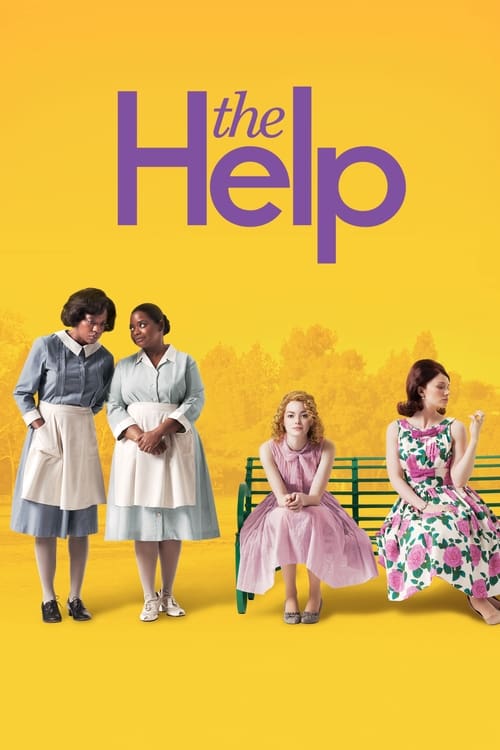
Aibileen Clark is a middle-aged African-American maid who has spent her life raising white children and has recently lost her only son; Minny Jackson is an African-American maid who has often offended her employers despite her family's struggles with money and her desperate need for jobs; and Eugenia "Skeeter" Phelan is a young white woman who has recently moved back home after graduating college to find out her childhood maid has mysteriously disappeared. These three stories intertwine to explain how life in Jackson, Mississippi revolves around "the help"; yet they are always kept at a certain distance because of racial lines.
2013
1990
1989
1959
2013
1996

2016
1997
No reviews yet. Be the first to share your thoughts on this movie!
Use the rating form above to leave a star rating and optional review.