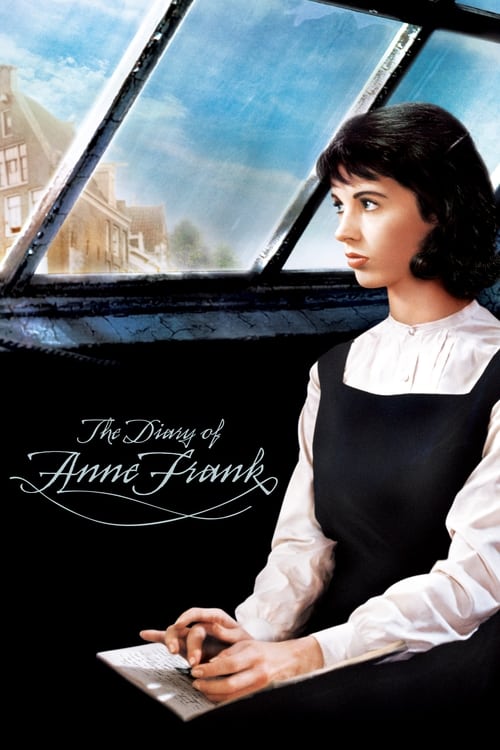
The Diary of Anne Frank
1959
No user ratings available yet
Representation score: 3.0 out of 10
Representation Score
Limited
2008
PG-13Director
Mark Herman
Runtime
94 minutes
Average Rating
No ratings yetNew Showbiz Analysis
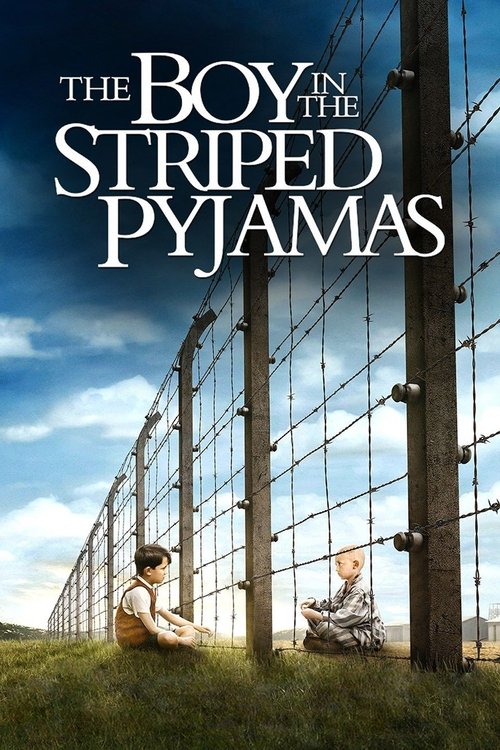
The film focuses on the tragedy of perspective, highlighting the domestic life of the oppressor's family to emphasize systemic cruelty. While it effectively dismantles the perceived glory of the state, the narrative centers on the consequences for the dominant class. Using the 'innocent bystander' cliché, the story risks moral relativism. Balancing the tragedy of the victims against the accidental tragedy of the oppressor's child limits the depth of its representation of underrepresented groups. Ultimately, the film illustrates the devastating impact of oppression but lacks the structural capacity for nuanced, multi-layered representation due to its narrow focus.
Category Breakdown
The film does not include any visible LGBTQ+ characters or explore non-straight relationships. It stays within traditional mid-20th-century social structures.
The story shows traditional mid-century family hierarchies, where the father holds absolute power. However, the mother's mental breakdown highlights the negative aspects of traditional domestic roles.
The film uses a stark visual contrast to represent ethnic divisions, showing Jewish prisoners losing control over their lives. Focusing on a German child's perspective might overlook the broader systemic genocide.
The film criticizes nationalist authority by depicting moral decay within the commandant's household. It portrays the Nazi regime as a corrupt and predatory entity.
There are no significant depictions of visible or invisible disabilities that influence the narrative or give characters more control over their lives.
Present on Screen
Limited or Absent
Official Synopsis
When his family moves from their home in Berlin to a strange new house in Poland, young Bruno befriends Shmuel, a boy who lives on the other side of the fence where everyone seems to be wearing striped pajamas. Unaware of Shmuel's fate as a Jewish prisoner or the role his own Nazi father plays in his imprisonment, Bruno embarks on a dangerous journey inside the camp's walls.
1959
2020
1993
1990

1987
1997

2017
2009
No reviews yet. Be the first to share your thoughts on this movie!
Use the rating form above to leave a star rating and optional review.