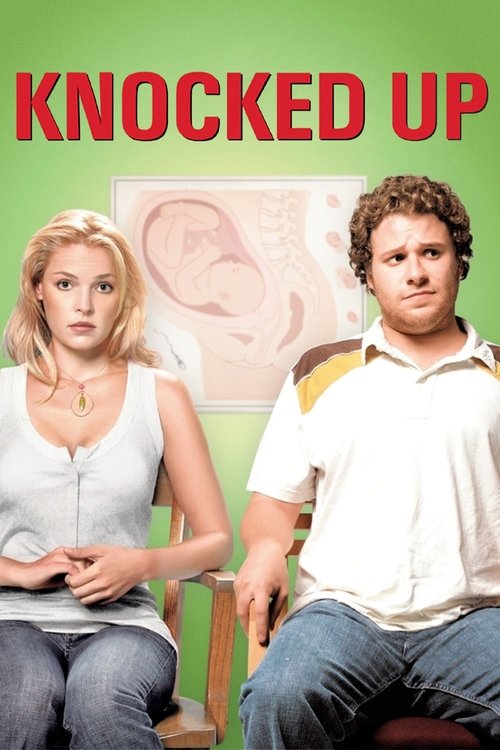
Knocked Up
2007
No user ratings available yet
Representation score: 5.6 out of 10
Representation Score
Fair
2007
PG-13Director
Jason Reitman
Runtime
96 minutes
Average Rating
No ratings yetNew Showbiz Analysis
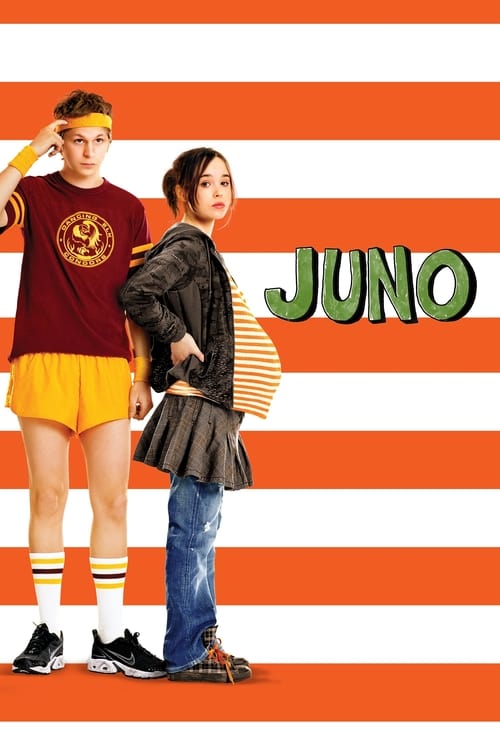
Juno stands out for its refusal to lean into standard teen melodrama, instead offering a character study centered on autonomy. The film's greatest strength is its portrayal of a female protagonist who navigates complex social crises with pragmatism and independence. However, the film is limited by a homogeneous cast and a lack of diverse representation. The narrative focuses heavily on middle-class suburban dynamics, leaving little room for racial or LGBTQ+ diversity. Ultimately, the film's success in deconstructing gender hierarchies and traditional social expectations provides a strong foundation, even as it remains narrow in its demographic scope.
Category Breakdown
The film operates within a traditional framework that assumes everyone is straight or cisgender. It lacks explicit depictions of LGBTQ+ identities or non-cisgender subplots, focusing instead on heterosexual pregnancy.
Juno MacGuff subverts typical teen clichés by exercising immense intellectual ability to act. She avoids the 'damsel' archetype, acting as the pragmatic architect of her own life.
The cast is predominantly white, reflecting a specific mid-2000s suburban aesthetic. The story lacks engagement with racial dynamics or diverse ethnic casting.
The narrative challenges traditional family-centric moral imperatives through secular, individualistic ethics. It critiques consumerist perfectionism and the superficiality of domestic aesthetics.
There are no prominent or central depictions of visible or invisible disabilities that drive the narrative arc.
Present on Screen
Limited or Absent
Official Synopsis
Faced with an unplanned pregnancy, sixteen year old high-schooler, Juno MacGuff, makes an unusual decision regarding her unborn child.
2007

2014
2000

2020

2007
1998

2010

1990
No reviews yet. Be the first to share your thoughts on this movie!
Use the rating form above to leave a star rating and optional review.