The Town
2010
No user ratings available yet
Representation score: 1.4 out of 10
Representation Score
Limited
2011
RDirector
Nicolas Winding Refn
Runtime
100 minutes
Average Rating
No ratings yetNew Showbiz Analysis
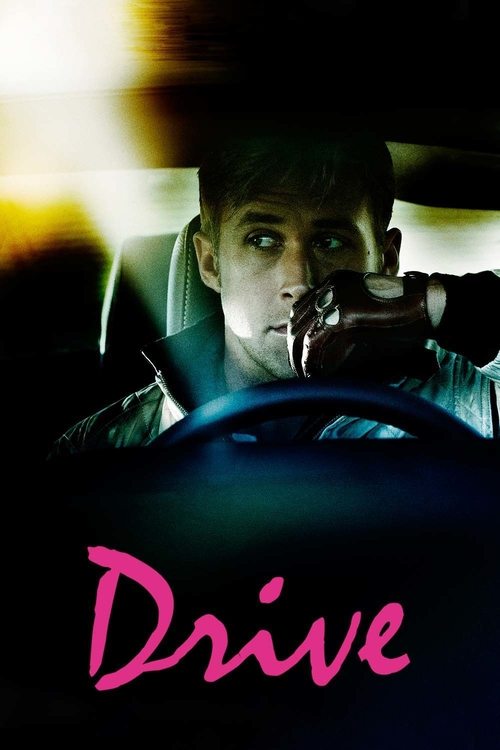
Drive is a stylized neo-noir that emphasizes atmospheric tension and archetypal storytelling over demographic representation. It functions as a character study of stoicism and protective instincts within a violent urban setting. The film operates within traditional demographic boundaries, focusing on individualistic myth-making rather than the deconstruction of systemic power structures. While it challenges genre clichés through minimalism, it does not intentionally integrate diverse identities. Ultimately, the narrative structure favors postmodern aesthetics and moral ambiguity over social commentary or explicit inclusion.
Category Breakdown
The film does not include any LGBTQ+ characters or non-straight relationships. The story centers around traditional heterosexual relationships involving the Driver and Irene.
Irene plays a significant role in driving the story, offering a nuanced perspective that contrasts with typical action-thriller narratives. The film passes the Bechdel test through conversations between Irene and her mother.
The cast is primarily white, depicting a homogeneous social environment in Los Angeles. The story focuses on socioeconomic isolation without exploring multicultural or multi-layered themes.
The film examines moral relativism by portraying the protagonist's violence as a form of personal loyalty. It does not explicitly critique systemic issues, focusing instead on individual survival.
The film does not depict any characters with visible or invisible disabilities. There are no representations of neurodivergence or chronic illness in the main storylines.
Present on Screen
Limited or Absent
Official Synopsis
Driver is a skilled Hollywood stuntman who moonlights as a getaway driver for criminals. Though he projects an icy exterior, lately he's been warming up to a pretty neighbor named Irene and her young son, Benicio. When Irene's husband gets out of jail, he enlists Driver's help in a million-dollar heist. The job goes horribly wrong, and Driver must risk his life to protect Irene and Benicio from the vengeful masterminds behind the robbery.
2010
1978
2002
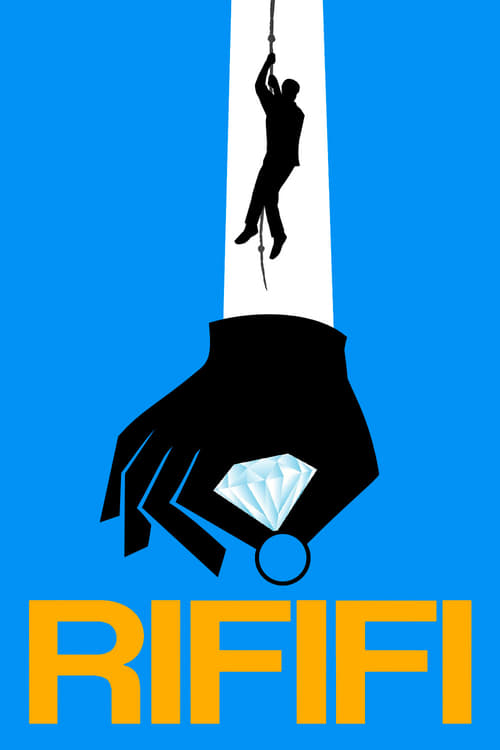
1955
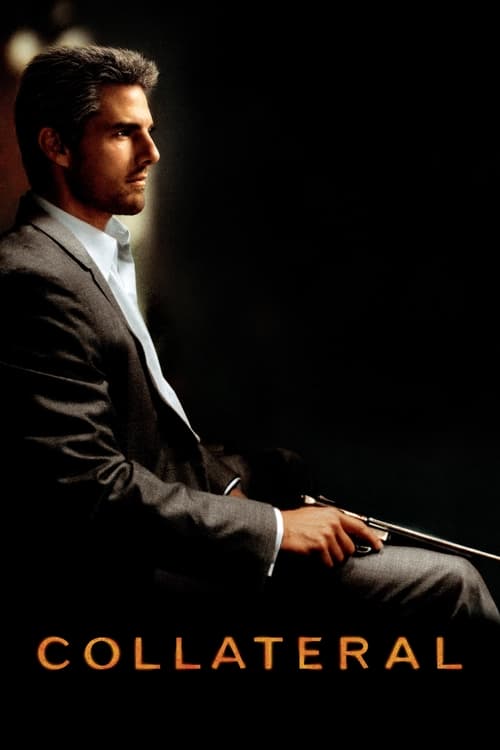
2004
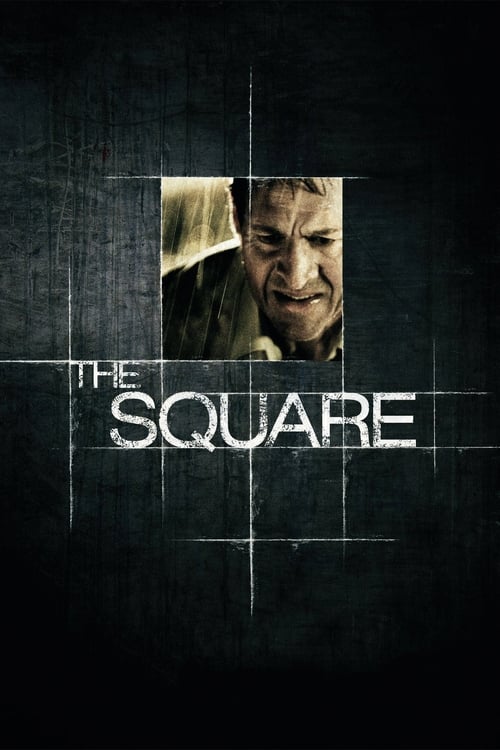
2008
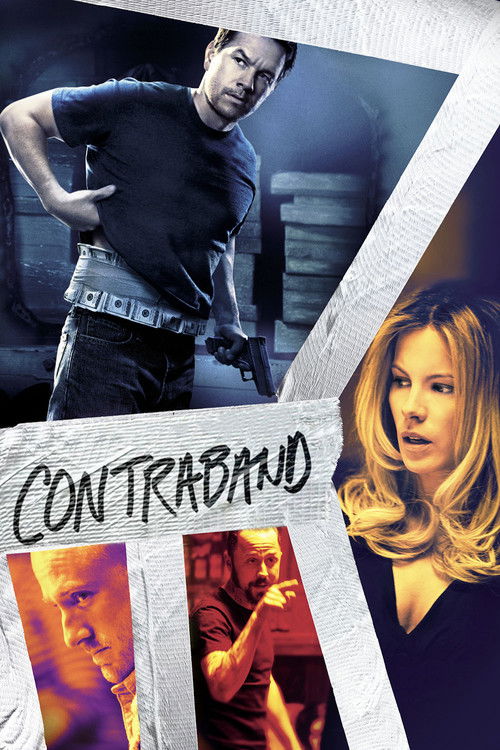
2012
2000
No reviews yet. Be the first to share your thoughts on this movie!
Use the rating form above to leave a star rating and optional review.