
An Education
2009
No user ratings available yet
Representation score: 3.9 out of 10
Representation Score
Fair
2008
RDirector
Danny Boyle
Runtime
121 minutes
Average Rating
No ratings yetNew Showbiz Analysis
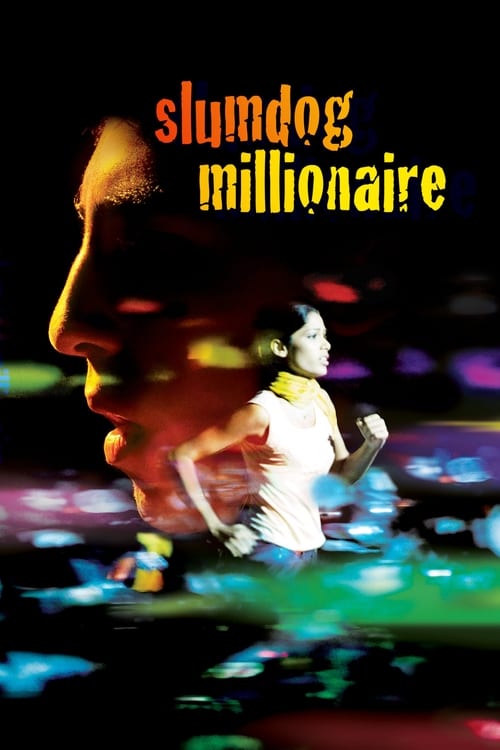
Slumdog Millionaire is a powerful critique of institutional authority that centers a non-Western perspective. By setting the story in the socioeconomic realities of Mumbai, it avoids the typical Western viewpoint found in global cinema. The film's strength lies in its postcolonial lens and its critique of capitalist hierarchies. It presents a world where survival requires navigating a landscape of gray ethics and systemic corruption. However, the narrative remains confined by its adherence to traditional romantic structures. The lack of LGBTQ+ representation and specific disability narratives limits a more comprehensive exploration of identity.
Category Breakdown
The film follows a traditional romantic storyline without featuring any non-straight or non-cisgender identities. It doesn't challenge the assumption that everyone is straight or cisgender.
Latika's resilience against trafficking critiques patriarchal violence. However, her ability to influence events is constrained by the oppressive criminal systems she encounters.
The film avoids Anglo-centric views by using an almost entirely Indian cast. It sets the story within Mumbai's specific socioeconomic context to counteract the Western perspective.
The story critically examines capitalism and corruption. Authority figures are portrayed as predators, highlighting a struggle against systemic oppression.
There are no characters whose main storylines revolve around visible or invisible disabilities. The film focuses on the physical hardships caused by poverty.
Present on Screen
Limited or Absent
Official Synopsis
A teenager reflects on his life after being accused of cheating on the Indian version of "Who Wants to be a Millionaire?".
2009

2007

2007

2008

2001

2016

2011

2010
No reviews yet. Be the first to share your thoughts on this movie!
Use the rating form above to leave a star rating and optional review.