
Bless the Child
2000
No user ratings available yet
Representation score: 4.3 out of 10
Representation Score
Limited
1998
RDirector
Harold Becker
Runtime
111 minutes
Average Rating
No ratings yetNew Showbiz Analysis
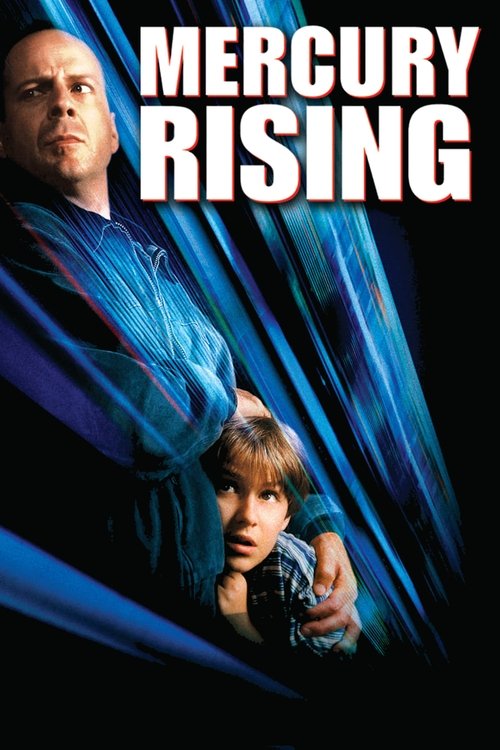
Mercury Rising is a film that excels in its thematic depth while being limited by its lack of demographic diversity. Its standout feature is the sophisticated portrayal of autism, giving the autistic character significant importance. However, the film adheres to traditional 1990s cinematic norms, lacking meaningful representation of gender, race, and LGBTQ+ identities. The film’s strength lies in its moral complexity, using the tension between state security and individual rights to critique systemic rigidity and institutional overreach.
Category Breakdown
The film does not include any LGBTQ+ characters or stories. It focuses on traditional family and work settings without exploring non-straight relationships.
The story is driven by male characters, particularly federal agents and a child. Female characters play supporting roles rather than central ones.
The cast is mostly white, reflecting a traditional Western perspective. The main conflict involves primarily Anglo-Saxon characters, lacking diversity.
The story critiques Western institutional power by showing government agencies as potentially morally flawed.
The portrayal of autism is a strong point. The autistic character, Simon Lynch, plays a key role in driving the plot.
Present on Screen
Limited or Absent
Official Synopsis
Renegade FBI agent Art Jeffries protects a nine-year-old autistic boy who has cracked the government's new "unbreakable" code.
2000

1990

1996

1988

2001

1987

2008
1997
No reviews yet. Be the first to share your thoughts on this movie!
Use the rating form above to leave a star rating and optional review.