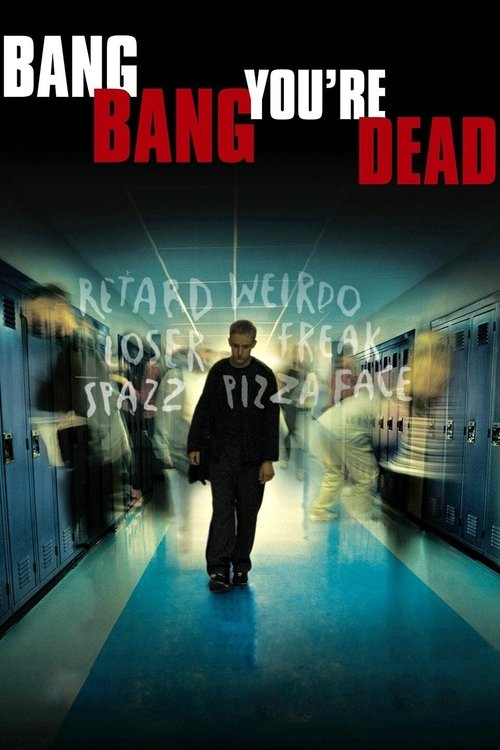
Bang Bang You're Dead
2003
No user ratings available yet
Representation score: 6.6 out of 10
Representation Score
Excellent
2006
RDirector
Jamie Babbit
Runtime
96 minutes
Average Rating
No ratings yetNew Showbiz Analysis
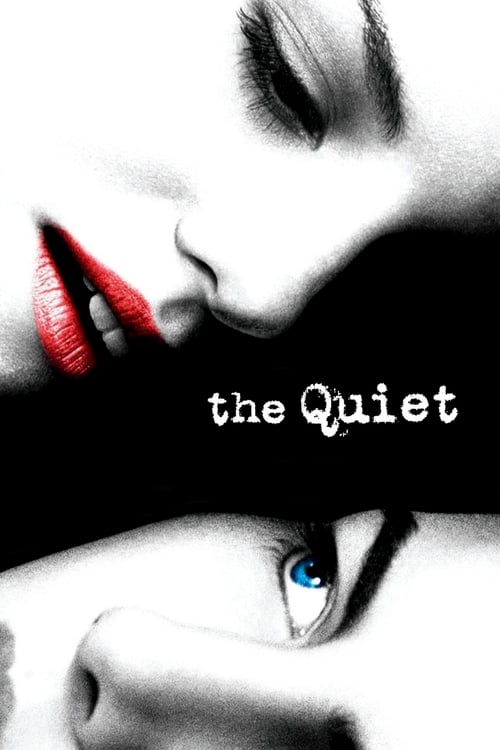
Jamie Babbit’s film is a sophisticated study of social isolation that centers on underrepresented identities. It excels by treating deafness and queer identity as integrated aspects of the characters' lived realities rather than superficial plot points. The strength of the film lies in its ability to reorient the thriller genre toward female-centric social ability to act and sensory-specific communication. It successfully moves away from traditional male-dominated power structures. However, the film's impact is limited by a lack of racial and ethnic diversity within the cast. The homogeneous cast keeps the narrative focused on a narrow social subset, missing opportunities for broader representation.
Category Breakdown
The film incorporates lesbianism and queer social dynamics into the student body's fabric. It avoids using queer identity as a mere plot device, offering a nuanced view of social navigation.
The narrative focuses on an all-female social ecosystem to examine women's ability to drive the story. It challenges traditional hierarchies by prioritizing female-driven conflict and psychological complexity over male-centric thriller structures.
The cast remains relatively homogeneous, focusing on a specific socioeconomic subset. While it avoids harmful stereotypes, the film lacks the way different parts of someone's identity overlap to disrupt traditional casting norms.
The film utilizes moral relativism, portraying characters within ethical gray areas. It frames authority figures and institutions like the family unit through a lens of skepticism and instability.
Deafness is presented as a fundamental component of social reality rather than a deficit. The film avoids inspiration porn, instead showing a community where sensory difference is the baseline.
Present on Screen
Limited or Absent
Official Synopsis
After her widowed father dies, deaf teenager Dot moves in with her godparents, Olivia and Paul Deer. The Deers' daughter, Nina, is openly hostile to Dot, but that does not prevent her from telling her secrets to her silent stepsister, including the fact that she wants to kill her lecherous father.
2003

1976
2001
2001
2017

2005
1996

2013
No reviews yet. Be the first to share your thoughts on this movie!
Use the rating form above to leave a star rating and optional review.