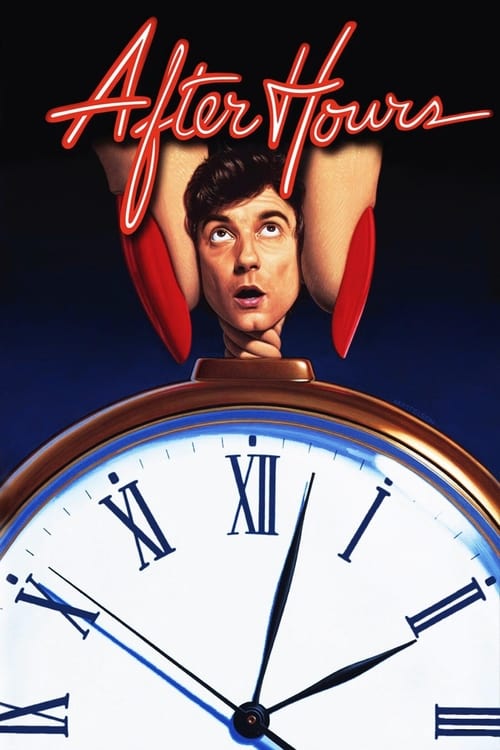
After Hours
1985
No user ratings available yet
Representation score: 6.6 out of 10
Representation Score
Limited
2019
RDirector
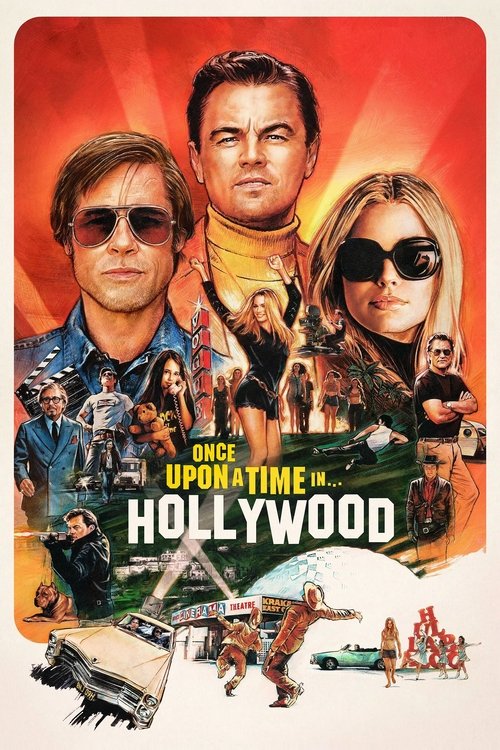
Quentin Tarantino
Runtime
162 minutes
Average Rating
No ratings yetNew Showbiz Analysis
The film serves as a postmodern exercise in revisiting history. It prioritizes historical period accuracy and a predominantly white cast over traditional demographic diversity metrics. However, it achieves progressive value through its narrative architecture. By using a 'what-if' framework, the film disrupts historical tragedy and challenges the inevitability of systemic violence. Ultimately, the work finds strength in deconstructing historical reality and critiquing the rigid social hierarchies of the 1960s rather than through broad demographic inclusion.
Category Breakdown
The film focuses on traditional heterosexual relationships and lacks prominent LGBTQ+ characters or narratives that challenge the era's social norms.
While male hierarchies dominate, Sharon Tate is portrayed who play a significant role in driving the story and autonomy. The film also explores the emotional vulnerability of the masculine archetype through Rick Dalton.
The cast is predominantly Anglo-Saxon, reflecting the white-dominated Hollywood studio system of the late 1960s. It does not prioritize non-white characters in central, actively leading roles.
The narrative explores the tension between Old Hollywood traditionalism and the New Hollywood counter-culture. It uses a fairy-tale structure to engage in historical revisionism and moral relativism.
There are no prominent depictions of visible or invisible disabilities that drive the plot or serve as central character arcs.
Present on Screen
Limited or Absent
Official Synopsis
Los Angeles, 1969. TV star Rick Dalton, a struggling actor specializing in westerns, and stuntman Cliff Booth, his best friend, try to survive in a constantly changing movie industry. Dalton is the neighbor of the young and promising actress and model Sharon Tate, who has just married the prestigious Polish director Roman Polanski…
1985
1978
2021
1980
2006

1983

2017
1975
No reviews yet. Be the first to share your thoughts on this movie!
Use the rating form above to leave a star rating and optional review.