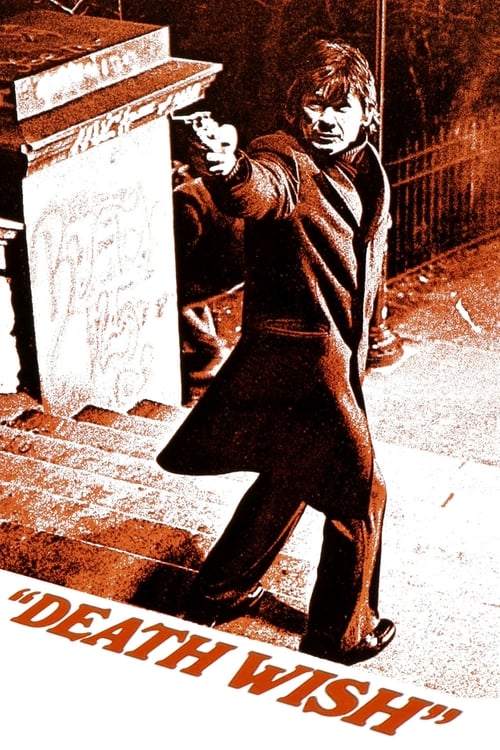
Death Wish
1974
No user ratings available yet
Representation score: 2.7 out of 10
Representation Score
Minimal
1973
RDirector
Ted Post
Runtime
124 minutes
Average Rating
No ratings yetNew Showbiz Analysis
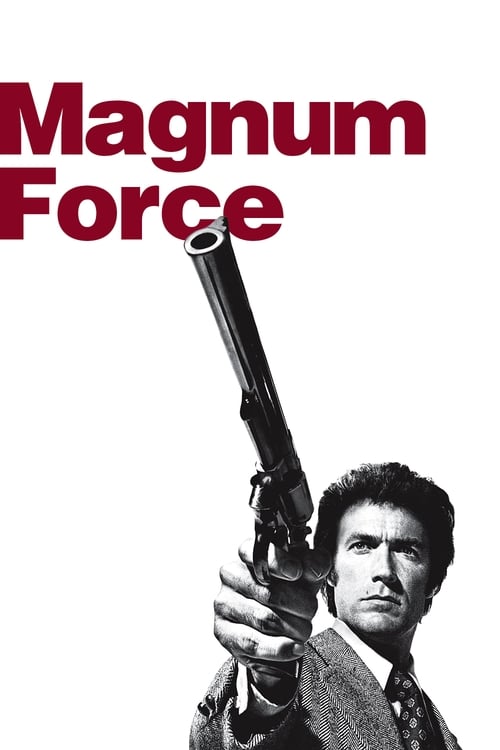
Magnum Force is a classic crime thriller that emphasizes individual heroism over diverse narratives. The film upholds traditional social norms rather than challenging them. It constructs its story around established gender and racial hierarchies, centered on a hyper-masculine viewpoint. Although it critiques institutional bureaucracy, it does so through a lens of moral relativism. Overall, the film fails to offer meaningful representation for many underrepresented groups, sticking closely to the genre conventions of its time.
Category Breakdown
The film adheres to an assumption that everyone is straight or cisgender, with no LGBTQ+ characters or hidden references to queer identities.
The story focuses on a hyper-masculine character type, emphasizing traditional gender roles. Women mostly appear as secondary characters or love interests.
The cast is mainly white, reflecting the casting practices of the 1970s. Despite being set in San Francisco, the powerful roles are almost entirely filled by white actors.
The film questions skepticism towards legal and bureaucratic systems, favoring personal justice and moral relativism over strict adherence to official procedures.
There are no significant portrayals of physical or cognitive disabilities. Characters with disabilities do not play key roles in the narrative.
Present on Screen
Limited or Absent
Official Synopsis
"Dirty" Harry Callahan is a San Francisco Police Inspector on the trail of a group of rogue cops who have taken justice into their own hands. When shady characters are murdered one after another in grisly fashion, only Dirty Harry can stop them.
1974
1973

1982
1973
1985

1986
1971

1976
No reviews yet. Be the first to share your thoughts on this movie!
Use the rating form above to leave a star rating and optional review.