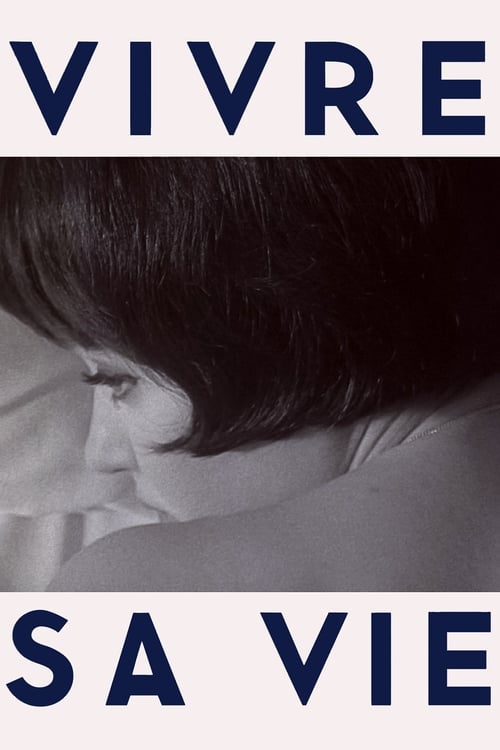
Vivre Sa Vie
1962
No user ratings available yet
Representation score: 7.1 out of 10
Representation Score
Good
1962
NRDirector
Agnès Varda
Runtime
90 minutes
Average Rating
No ratings yetNew Showbiz Analysis
Agnès Varda’s film is a progressive achievement in challenging traditional gender roles. By breaking down the cliché of the passive female performer, the film elevates its protagonist to a self-determined individual with significant influence. However, the film reflects the limitations of its time period. Its cast is largely homogeneous, lacking diverse racial and ethnic representation. Characters of color have minimal roles. Overall, despite limited demographic diversity, the film’s narrative structure is sophisticated. It effectively counters systemic objectification through a deeply personal, existential perspective.
Category Breakdown
The film does not prominently feature LGBTQ+ identities or same-sex relationships. It stays within traditional romantic frameworks, providing only subtle hints of non-straight relationships.
Varda challenges traditional gender roles by focusing on Cléo’s psychological development. She evolves from being a passive object to an active, independent thinker.
Set in 1960s Paris, the film has a predominantly white cast. It includes few characters of color and lacks significant roles for those characters.
The film centers on Cléo’s personal anxieties and her detachment from societal structures. It emphasizes subjective experiences over organized religion or national pride.
The film portrays Cléo’s medical crisis and existential fears with nuance. It presents her psychological vulnerability in a way that highlights her ability to act rather than using her condition merely as a plot device.
Present on Screen
Limited or Absent
Official Synopsis
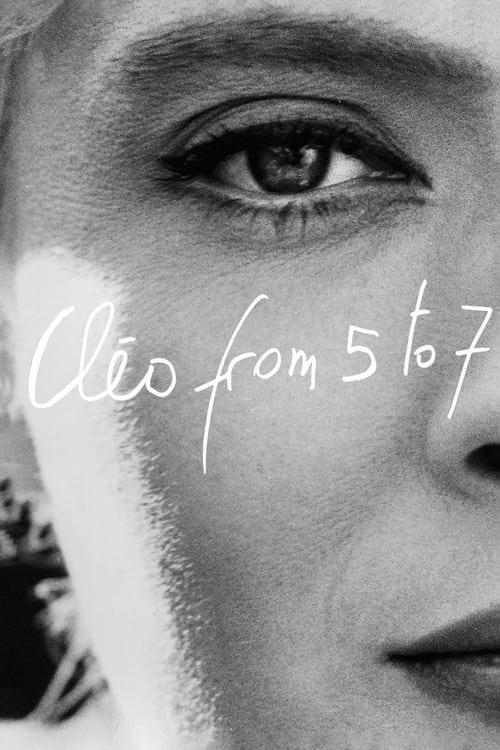
Agnès Varda eloquently captures Paris in the sixties with this real-time portrait of a singer set adrift in the city as she awaits test results of a biopsy. A chronicle of the minutes of one woman’s life, Cléo from 5 to 7 is a spirited mix of vivid vérité and melodrama, featuring a score by Michel Legrand and cameos by Jean-Luc Godard and Anna Karina.
1962
1956
1978

1963
1984

1966
1962
1966
No reviews yet. Be the first to share your thoughts on this movie!
Use the rating form above to leave a star rating and optional review.