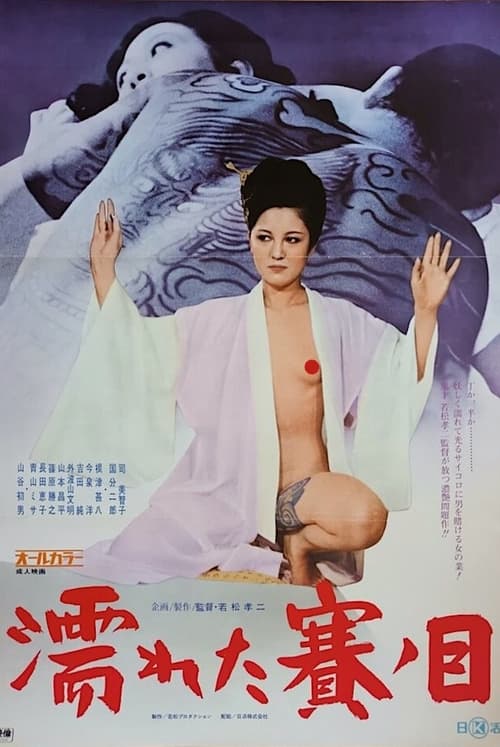
Wet Dice
1974
No user ratings available yet
Representation score: 8.1 out of 10
Representation Score
Good
1969
Not RatedDirector
Toshio Matsumoto
Runtime
105 minutes
Average Rating
No ratings yetNew Showbiz Analysis
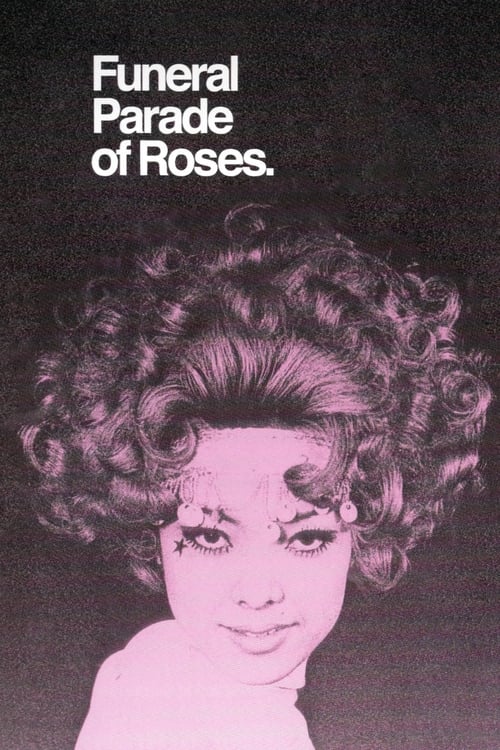
Matsumoto’s work is a landmark of queer cinema that highlights underrepresented identities. Using postmodern techniques like non-linear editing, the film challenges traditional views of social order and gender.
Category Breakdown
This important film centers its narrative on the lives of gender-nonconforming individuals in Shinjuku. It explores same-sex relationships and non-traditional gender identities by focusing on the internal experiences of these characters.
The film breaks down the gender binary by highlighting a drag queen and an astrologer. It portrays gender as a performance rather than a fixed biological trait, challenging traditional gender roles.
The story offers a nuanced look at a specific Japanese subculture within Tokyo. However, it does not explore multi-ethnic casting or diverse racial backgrounds, focusing instead on a localized perspective.
The narrative criticizes mainstream social structures and traditional family units. It promotes moral relativism, emphasizing personal identity over religious or state institutions.
The film does not depict physical or neurodivergent disabilities as central plot devices. Instead, it focuses on psychological fragmentation and the performance of self.
Present on Screen
Limited or Absent
Official Synopsis
In 1960s Tokyo, Gonda owns a bar in which the gay, cross-dresser, and trans scenes meet. Gonda is in a relationship with the madam of the bar, Leda. As the younger Eddie starts a passionate affair with Gonda, she ignites the jealousy of Leda, unaware of another kind of history between them.
1974

1956
1972
1961

1995
1964

1984
1966
No reviews yet. Be the first to share your thoughts on this movie!
Use the rating form above to leave a star rating and optional review.