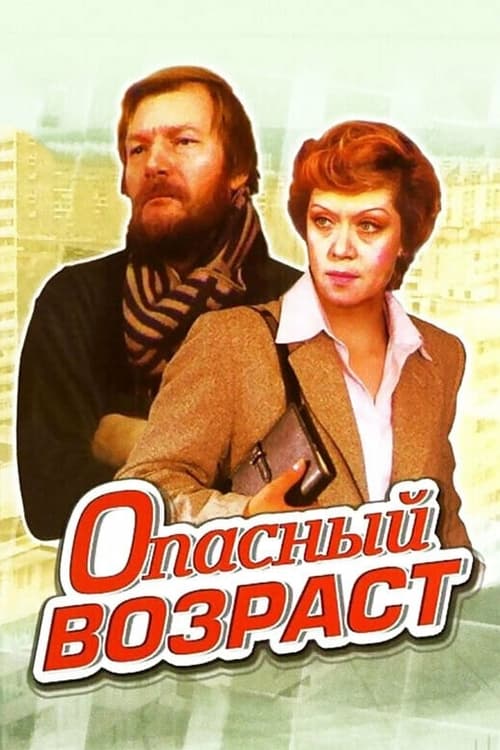
A Dangerous Age
1981
No user ratings available yet
Representation score: 4.0 out of 10
Representation Score
Limited
1980
PGDirector
Vladimir Menshov
Runtime
142 minutes
Average Rating
No ratings yetNew Showbiz Analysis
Vladimir Menshov's drama is a powerful exploration of female resilience. By focusing on the professional and personal journeys of three women, the film successfully shifts the narrative focus away from male protagonists. Katerina's transformation from a struggling worker to an institutional leader provides a compelling subversion of traditional gender roles. However, the film is limited by its narrow demographic scope. It lacks any representation of LGBTQ+ identities or significant racial and ethnic diversity, reflecting the social constraints of its era. The focus remains strictly on a homogeneous Soviet urban experience. Ultimately, the film succeeds as a gender-centric piece of storytelling. It moves the female experience from the periphery to the center of the social landscape, even if it does so within a very specific cultural framework.
Category Breakdown
The film focuses solely on heterosexual relationships and traditional families. There are no characters with LGBTQ+ identities or any queer subtext.
The story centers on women's professional success and ability to act. Katerina evolves from a vulnerable worker to a powerful factory director, subverting the damsel cliché.
The cast reflects a homogeneous Soviet urban population. The film focuses on class and professional identity within a specific, culturally narrow landscape.
The narrative explores collective social structures and the complexities of single parenthood. It treats personal struggles as human realities rather than religious moral failings.
There are no prominent depictions of physical, sensory, or neurodivergent disabilities within the main character arcs.
Present on Screen
Limited or Absent
Official Synopsis
Living together in a workers' dorm, Katerina and her friends are determined to make it in Moscow. But when a boorish cameraman forces himself on her, Katerina finds herself pregnant and alone as her friends move on. Twenty years later, Katerina is a factory director, outpacing her old roommates career-wise, yet still alone but for her daughter. Love seems possible again when she meets a genial mechanic.
1981
1975

2010

1997
1978
1984
1980

1998
No reviews yet. Be the first to share your thoughts on this movie!
Use the rating form above to leave a star rating and optional review.