The Dead
1987
No user ratings available yet
Representation score: 4.2 out of 10
Representation Score
Fair
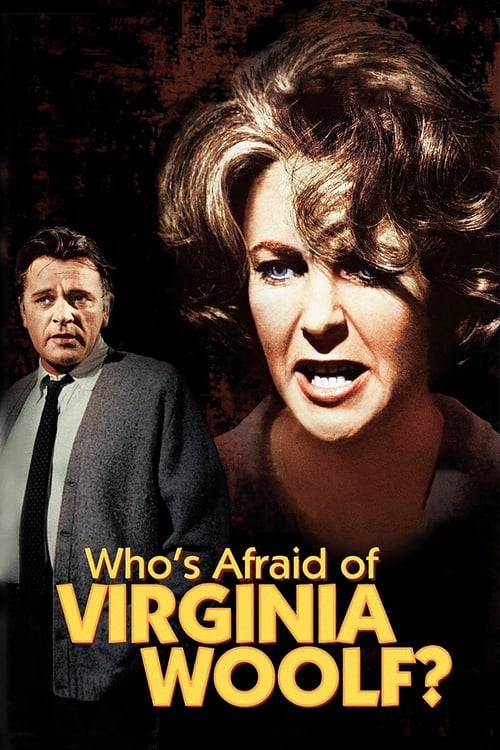
1966
ApprovedDirector
Mike Nichols
Runtime
131 minutes
Average Rating
No ratings yetNew Showbiz Analysis
The film focuses on challenging traditional gender roles and presenting a woman who is intellectually aggressive and verbally dominant. However, it lacks diverse representation, focusing instead on a white, straight-centered academic environment. The film's strength lies in its cultural critique, using the breakdown of social norms to question the stability of Western social structures and the illusions of the nuclear family.
Category Breakdown
The film focuses solely on straight relationships and does not include any characters with non-cisgender identities or LGBTQ+ backgrounds.
Martha plays a strong role in driving the story and challenges traditional gender roles by questioning patriarchal authority.
The film centers around a white, middle-class academic community and does not explore any racial or ethnic diversity.
The story critically examines Western institutions and the idealized nuclear family, presenting truth as subjective and often painful.
Psychological distress is used as a plot device, but the film does not provide a nuanced depiction of mental health or neurodivergence.
Present on Screen
Limited or Absent
Official Synopsis
A history professor and his wife entertain a young couple who are new to the university's faculty. As the drinks flow, secrets come to light, and the middle-aged couple unload onto their guests the full force of the bitterness, dysfunction, and animosity that defines their marriage.
1987
1978
1989
1968

1974
1971
1958
1977
No reviews yet. Be the first to share your thoughts on this movie!
Use the rating form above to leave a star rating and optional review.