
Fahrenheit 451
1966
No user ratings available yet
Representation score: 2.2 out of 10
Representation Score
Fair
1971
NC-17Director
Stanley Kubrick
Runtime
137 minutes
Average Rating
No ratings yetNew Showbiz Analysis
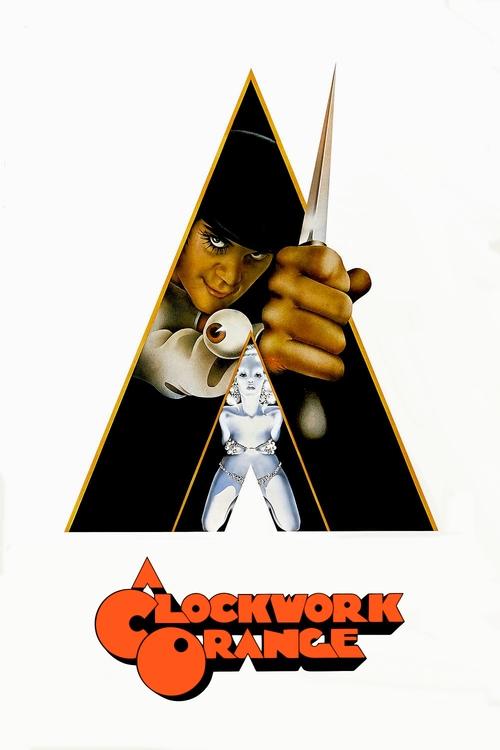
A Clockwork Orange is a profound deconstruction of social order that prioritizes a critique of institutional authority over demographic variety. While the film provides a sophisticated look at the struggle for individual ability to act against a predatory state, it fails to offer meaningful representation for most underrepresented groups. The narrative is heavily centered on a white, male-dominated landscape. Women and LGBTQ+ individuals are largely absent as active participants, often appearing only as victims of the protagonist's violence. Ultimately, the film's strength lies in its cultural subversion of Western power structures rather than its inclusivity. It remains a narrow, Anglo-centric study of morality and systemic oppression.
Category Breakdown
The film does not explicitly depict non-straight or non-cisgender identities or intimate relationships between people of the same gender. Relationships focus on heterosexual dynamics and male-dominated gang structures.
The story focuses on a male-dominated world where women are mostly portrayed as passive victims of violence. They lack opportunities to take control or challenge the patriarchal system.
The casting is mainly white, showing a homogeneous society. The film sticks to a traditional Anglo-centric setting without incorporating diverse ethnic backgrounds.
The film effectively critiques traditional Western institutions. It portrays the state and legal systems as oppressive, emphasizing individual freedom against systemic control.
The film examines psychological conditioning and mental states. However, these elements are used as tools for state control rather than offering nuanced representation of individuals with disabilities.
Present on Screen
Limited or Absent
Official Synopsis
In a near-future Britain, young Alexander DeLarge and his pals get their kicks beating and raping anyone they please. When not destroying the lives of others, Alex swoons to the music of Beethoven. The state, eager to crack down on juvenile crime, gives an incarcerated Alex the option to undergo an invasive procedure that'll rob him of all personal agency. In a time when conscience is a commodity, can Alex change his tune?
1966
1956
1984
1971

1975
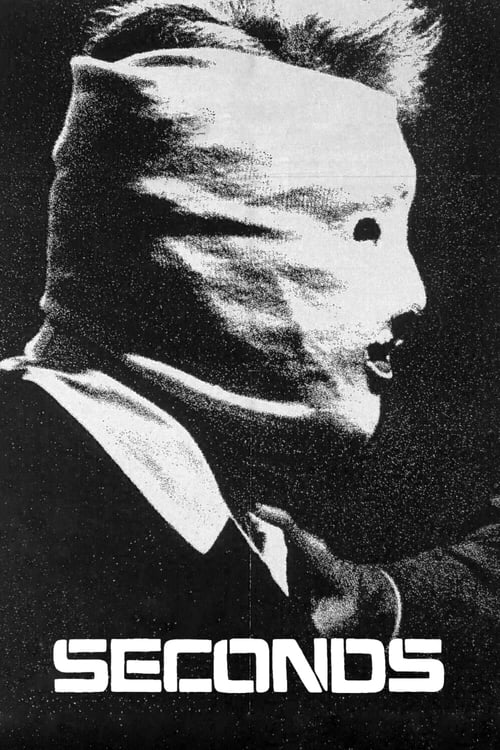
1966

1999
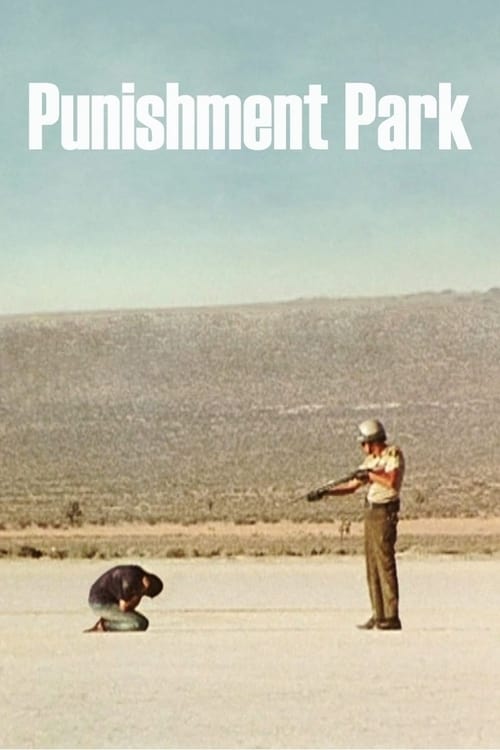
1971
No reviews yet. Be the first to share your thoughts on this movie!
Use the rating form above to leave a star rating and optional review.