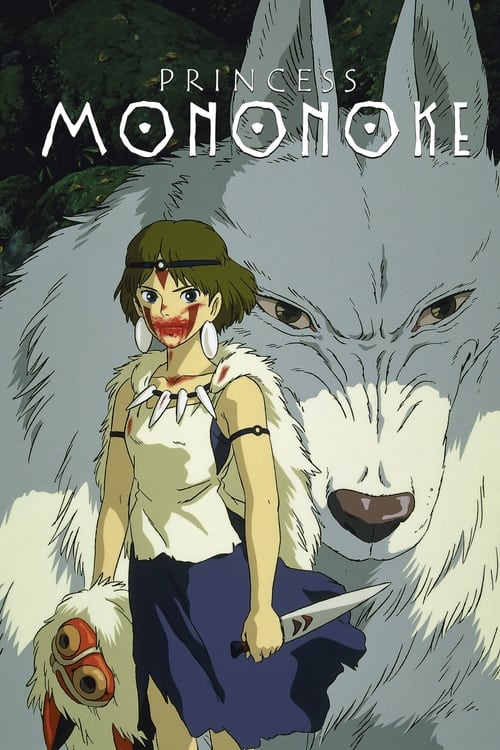
Princess Mononoke
1997
No user ratings available yet
Representation score: 9.4 out of 10
Representation Score
Excellent
1984
PGDirector
Hayao Miyazaki
Runtime
95 minutes
Average Rating
No ratings yetNew Showbiz Analysis
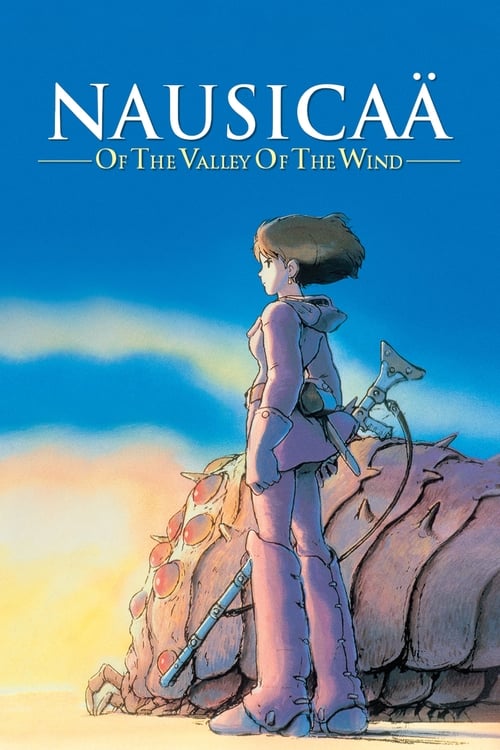
Nausicaä of the Valley of the Wind is a profound deconstruction of traditional power structures. It excels by centering female leadership and challenging imperialist, militaristic, and patriarchal institutions through its complex narrative structure. The film's strength lies in its nuanced portrayal of gender roles and its ecological critique. By presenting multifaceted female leaders and using non-human entities to represent 'the other,' it moves beyond simple binary morality. However, the film remains limited in its explicit representation of LGBTQ+ identities and specific disabilities. While it addresses environmental vulnerability, it does not center individualized disability or queer perspectives.
Category Breakdown
The film does not include explicit LGBTQ+ characters or non-straight relationships. The narrative centers on communal survival without highlighting specific queer identities.
Nausicaä challenges gender norms as a political leader, strategist, and researcher. Princess Kushana also exemplifies strong female leadership, contrasting female strength against destructive militaristic masculinity.
Different human factions represent various cultural identities. Non-human Ohmu serve as a metaphor for 'the other,' challenging anthropocentric views.
The story critiques Western-style expansionism and imperialist powers through the Torumekian Empire. It emphasizes ecological interconnectedness over industrial progress and technological dominance.
The film explores physical vulnerability within a toxic environment. However, it does not focus specifically on neurodivergence or individualized physical disabilities as central themes.
Present on Screen
Limited or Absent
Official Synopsis
After a global war, the seaside kingdom known as the Valley of the Wind remains one of the last strongholds on Earth untouched by a poisonous jungle and the powerful insects that guard it. Led by the courageous Princess Nausicaä, the people of the Valley engage in an epic struggle to restore the bond between humanity and Earth.
1997
1968
1994
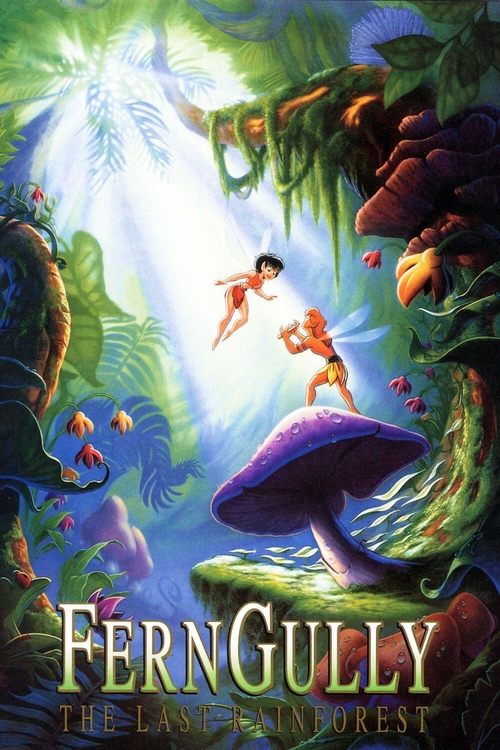
1992
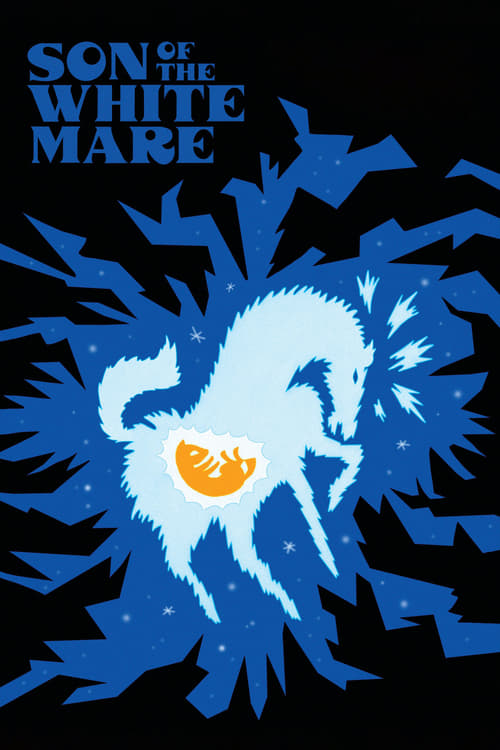
1981
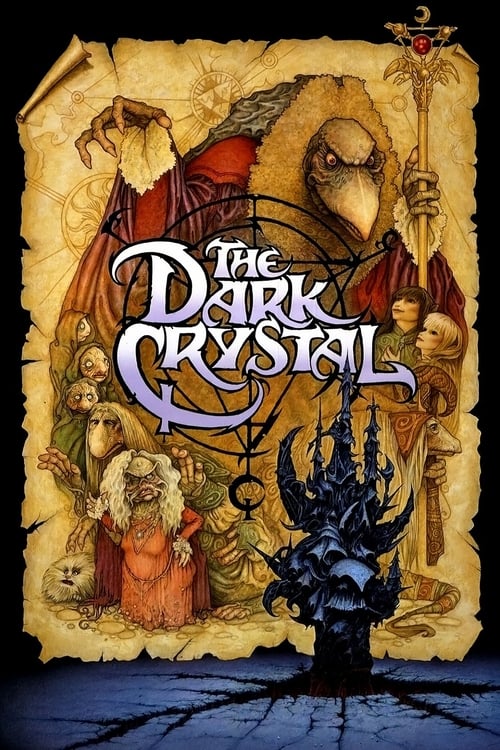
1982
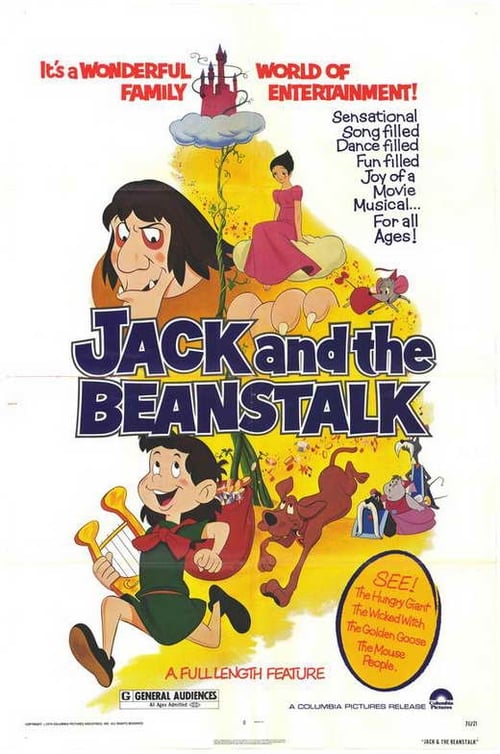
1974
1978
No reviews yet. Be the first to share your thoughts on this movie!
Use the rating form above to leave a star rating and optional review.