Massage Parlor Murders
1973
No user ratings available yet
Representation score: 1.8 out of 10
Representation Score
Minimal
1982
Not RatedDirector
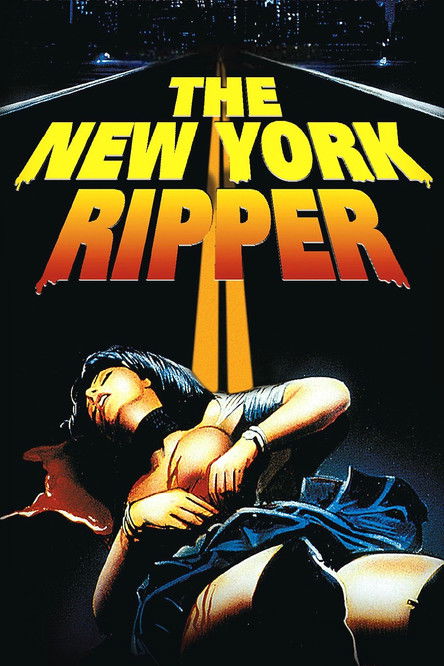
Lucio Fulci
Runtime
93 minutes
Average Rating
No ratings yetNew Showbiz Analysis
Lucio Fulci’s film is a quintessential example of the giallo exploitation genre, prioritizing visceral impact over diverse representation. The narrative is built around regressive power dynamics, especially regarding the victimization of women. While the film offers a cynical deconstruction of social stability and institutional authority, these elements stem from genre-driven nihilism. The work remains rooted in the traditional hierarchies of early 1980s exploitation cinema. Ultimately, the film fails to provide meaningful representation for most underrepresented groups, focusing instead on a homogeneous demographic and a predatory narrative structure.
Category Breakdown
The film does not include any LGBTQ+ characters or non-straight relationships. It focuses on a predator-prey dynamic within a traditional, violent framework.
Women are mainly portrayed as passive victims of violence and the subject of a predatory gaze. Female characters have very little control over their own lives.
The cast is mostly white, depicting a decaying urban environment. There is no evidence of diverse ethnic perspectives or intentional color-blind casting.
The film portrays extreme urban decay and the breakdown of social institutions. It presents a nihilistic worldview where traditional authority is shown as cynical and ineffective.
There are no significant depictions of psychological trauma or neurodivergence with real depth. These issues are used as horror clichés rather than nuanced explorations.
Present on Screen
Limited or Absent
Official Synopsis
A burned-out New York police detective teams up with a college psychoanalyst to track down a vicious serial killer randomly stalking and killing various young women around the city.
1973
1970
1984
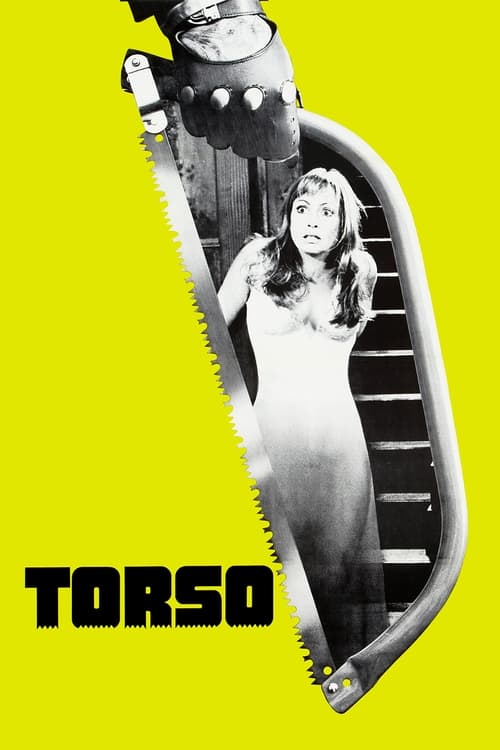
1973
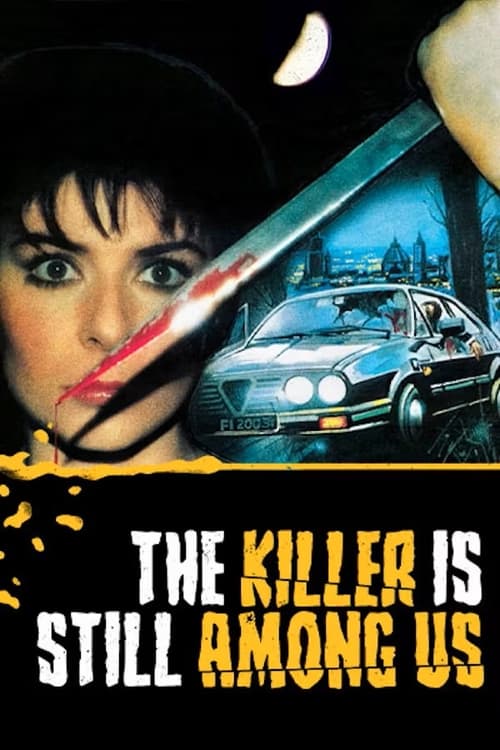
1986
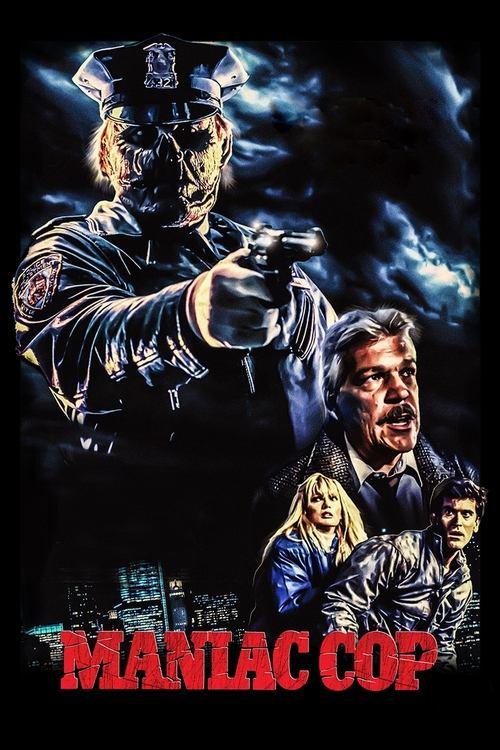
1988

1989
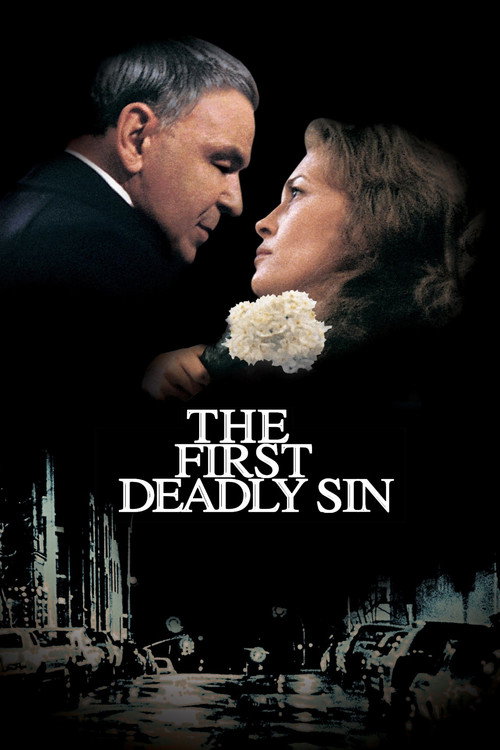
1980
No reviews yet. Be the first to share your thoughts on this movie!
Use the rating form above to leave a star rating and optional review.