
Death Wish II
1982
No user ratings available yet
Representation score: 0.6 out of 10
Representation Score
Limited
1974
RDirector
Michael Winner
Runtime
93 minutes
Average Rating
No ratings yetNew Showbiz Analysis
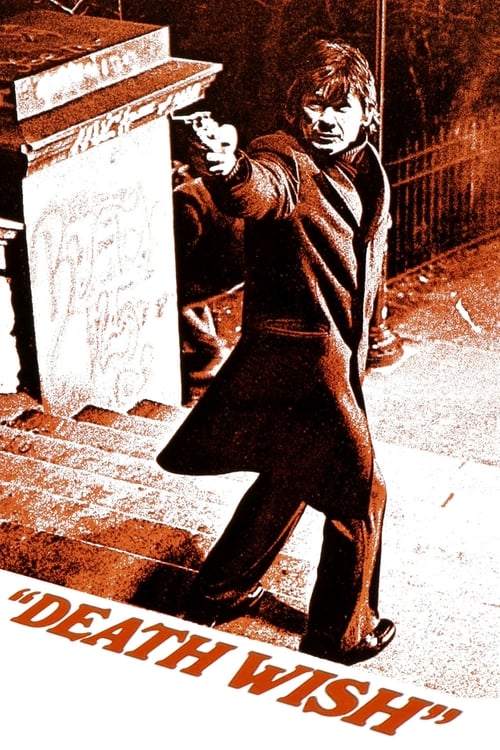
Death Wish exemplifies traditional genre filmmaking centered around a singular masculine archetype. While it captures the gritty, multi-ethnic texture of 1970s New York, it uses diversity to highlight social tension rather than integrating different identities. The film's structure emphasizes conventional hierarchies. Women are portrayed as vulnerable catalysts for male action, and diverse groups are often framed through the lens of urban instability. Ultimately, the film dismantles the social contract by presenting the protagonist's descent into vigilantism as a necessary response to institutional failure, maintaining a traditionalist perspective.
Category Breakdown
The film does not include any LGBTQ+ characters or non-cisgender identities. It portrays a world where everyone is assumed to be straight.
Women in the film mainly serve as passive victims and catalysts for the male-driven plot. The story centers around a male character's grief and his quest to reclaim power.
The film showcases a multi-ethnic urban environment, but diverse populations are often portrayed as perceived threats. Characters of color have limited roles and depth.
The film criticizes the effectiveness of legal and judicial systems, portraying the state as ineffective. It justifies extrajudicial violence as a response to systemic failures.
The film does not meaningfully represent individuals with disabilities. Trauma, both physical and psychological, is used merely as a plot device to drive the protagonist's transformation.
Present on Screen
Limited or Absent
Official Synopsis
After his wife is murdered by street punks, a pacifistic New York City architect becomes a one-man vigilante squad, prowling the streets for would-be muggers after dark.
1982
1983
1985

1973
1994

1981
2018
1973
No reviews yet. Be the first to share your thoughts on this movie!
Use the rating form above to leave a star rating and optional review.