To Live
1994
No user ratings available yet
Representation score: 6.3 out of 10
Representation Score
Good
1988
Not RatedDirector
Zhang Yimou
Runtime
91 minutes
Average Rating
No ratings yetNew Showbiz Analysis
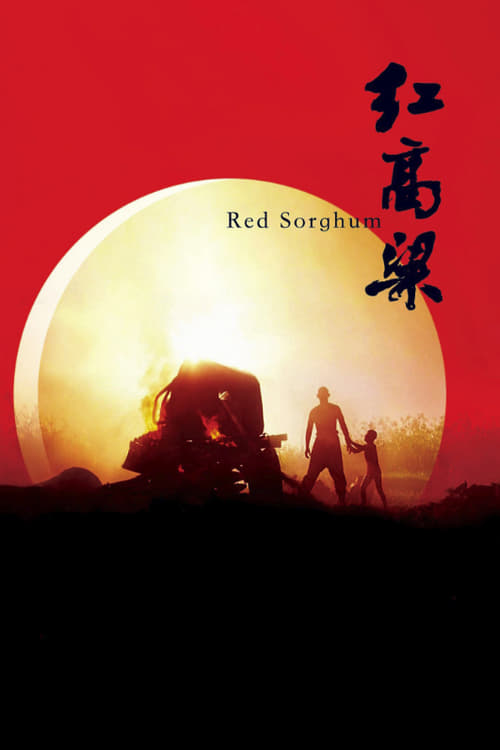
Red Sorghum is a powerful challenge to traditional social and gender hierarchies. By focusing on female leadership and using a post-colonial framework to critique imperialism, the film disrupts conventional historical narratives. However, it lacks representation of LGBTQ+ identities and uses disability more as a symbolic tool than a nuanced character study. The ethnic focus remains homogeneous, though it effectively addresses the struggle against external imperialist forces.
Category Breakdown
The film focuses on traditional heterosexual relationships and does not include any non-cisgender identities.
Jiu'er challenges traditional feminine roles by playing a key role in driving the story. She establishes a matriarchal community with significant economic and social influence.
The story centers on a Chinese community fighting against foreign powers. The landscape serves as a metaphor for the resilience of a colonized people.
The film critiques Confucian hierarchies by emphasizing instinctual morality. It presents an anti-imperialist message through the community's resistance to centralized oppression.
A character with leprosy serves as a plot catalyst and symbolizes the cycle of life. The portrayal uses disability mainly as a narrative device.
Present on Screen
Limited or Absent
Official Synopsis
An old leper who owned a remote sorghum winery dies. Jiu'er, the wife bought by the leper, and her lover, identified only as "my Grandpa" by the narrator, take over the winery and set up an idealized quasi-matriarchal community headed by Jiu'er. When the Japanese invaders subject the area to their rule and cut down the sorghum to make way for a road, the community rises up and resists as the sorghum grows anew.
1994
2010

1990
2020

2014

2011

1984

1985
No reviews yet. Be the first to share your thoughts on this movie!
Use the rating form above to leave a star rating and optional review.