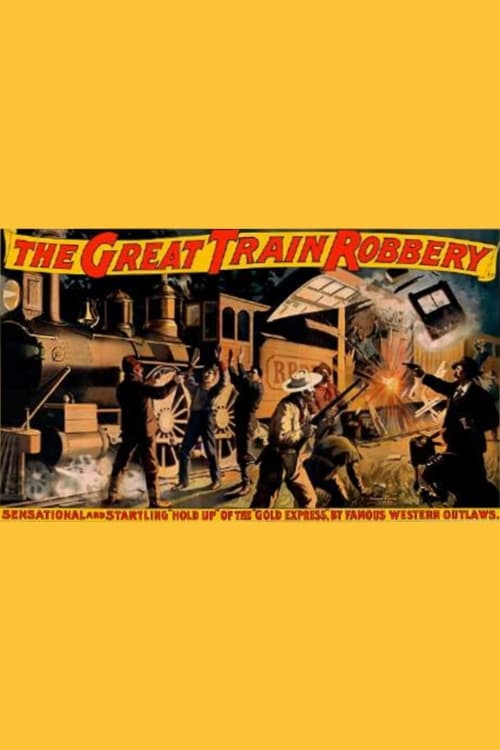
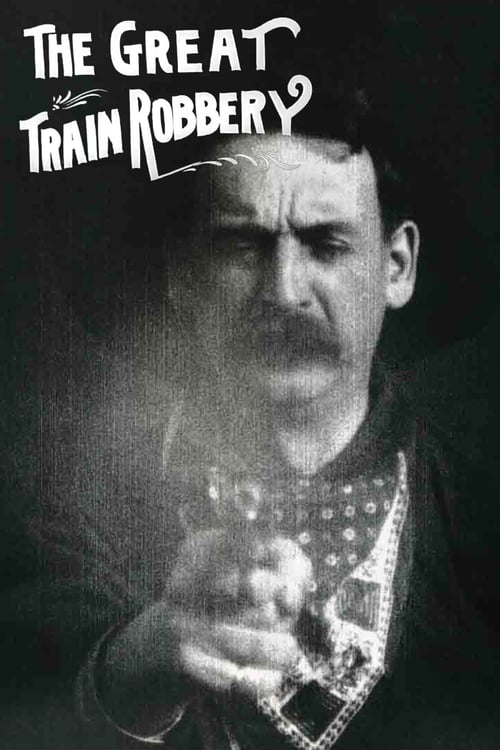
The Great Train Robbery
1904
No user ratings available yet
Representation score: 0.5 out of 10
Representation Score
Minimal
1903
TV-GDirector
Edwin S. Porter
Runtime
12 minutes
Average Rating
No ratings yetNew Showbiz Analysis
This film, a cornerstone of early cinema, emphasizes technical innovation and the dynamics of action sequences over social representation. Its narrative structure reflects the homogeneous social norms of the early 20th century, focusing on the actions of bandits and law enforcement. While the film establishes important genre conventions, it fails to engage with multi-layered identities. The story is driven by the plot of robbery and pursuit, without challenging social hierarchies or offering diverse perspectives. Ultimately, the film reflects the narrow, traditional lens of its time, centered around the conventions of early cinema.
Category Breakdown
The film does not include any LGBTQ+ characters or non-traditional gender identities. All characters adhere to conventional gender roles.
The story focuses primarily on male characters and lacks opportunities for women to take significant roles. Women are mostly excluded from the main action.
The cast is made up entirely of white actors, with no effort to include characters from diverse racial backgrounds.
The story follows typical Western action clichés and does not explore cultural or religious themes in depth.
There are no visible or invisible disabilities portrayed. Characters are defined solely by the physical capabilities required for the action-adventure genre.
Present on Screen
Limited or Absent
Official Synopsis
After the train station clerk is assaulted and left bound and gagged, then the departing train and its passengers robbed, a posse goes in hot pursuit of the fleeing bandits.
1904

1939
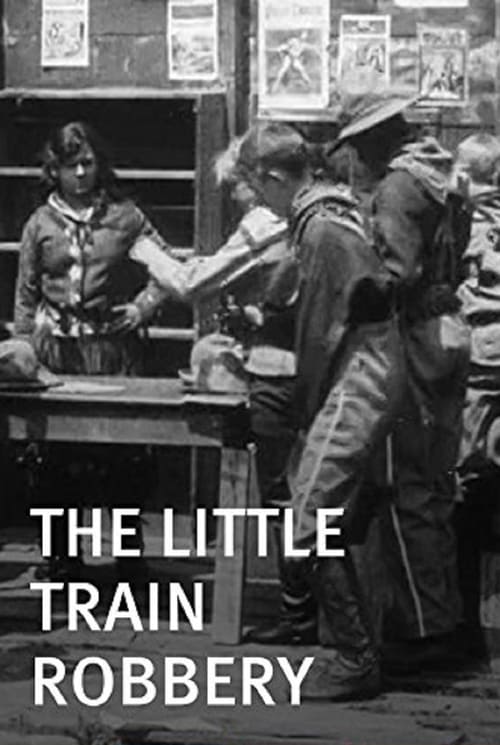
1905
1948
1906
1957
1941
1904
No reviews yet. Be the first to share your thoughts on this movie!
Use the rating form above to leave a star rating and optional review.