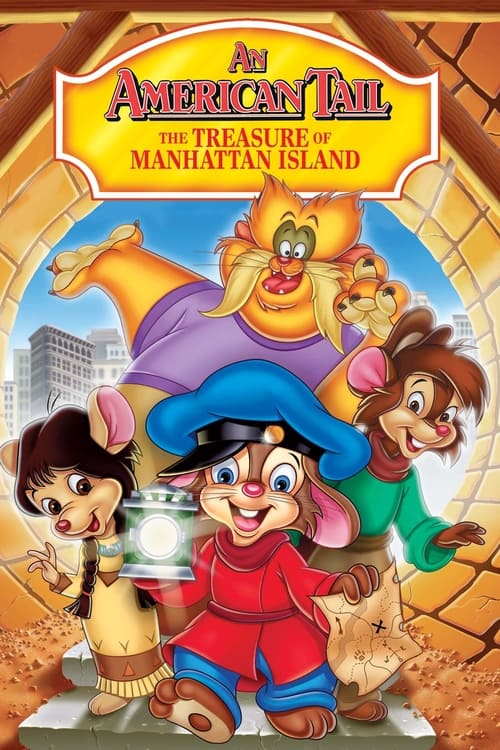
An American Tail: The Treasure of Manhattan Island
1998
No user ratings available yet
Representation score: 3.6 out of 10
Representation Score
Limited
1991
GDirector
Simon Wells, Phil Nibbelink
Runtime
75 minutes
Average Rating
No ratings yetNew Showbiz Analysis
The film stands out for its thematic depth, using anthropomorphic characters to explore ethnic identity and the immigrant struggle. By focusing on Jewish-coded mice, it moves beyond simple adventure to address displacement and the search for stability. However, the narrative remains within traditional bounds regarding gender and orientation, following a standard structure where masculine leadership remains the primary driver. The social framework lacks queer representation. Ultimately, the film's strength lies in its critique of the 'Wild West' myth, replacing idealized frontier clichés with a critique of systemic deception and predatory capitalism.
Category Breakdown
The film does not include any visible depictions of queer narratives or non-cisgender identities, sticking to a traditional framework.
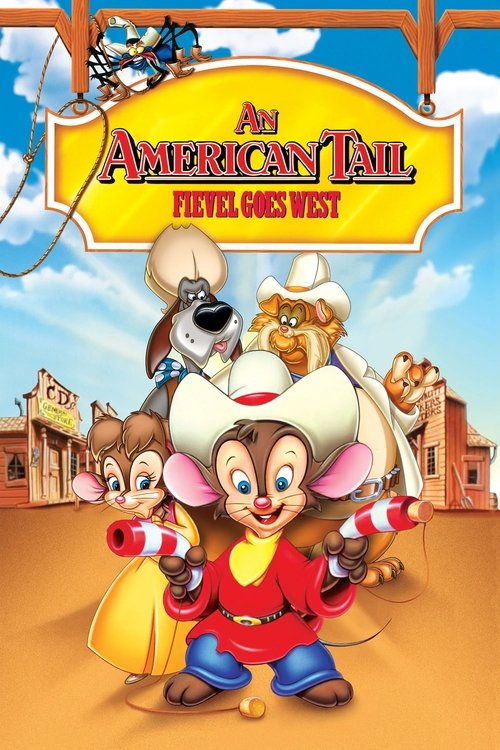
Fievel drives the plot through his individual role within a conventional adventure structure. Female characters participate in the journey but do not challenge traditional gender hierarchies.
The story uses Jewish-coded mice as a metaphor for the immigrant experience, exploring themes of diaspora and displacement while challenging monolithic views of the American Dream.
The narrative critiques Western frontier myths by presenting the Wild West as a space of predatory capitalism. It highlights the struggle of families against corrupt, opportunistic institutions.
There are no prominent depictions of visible or invisible disabilities that serve as central plot drivers or character arcs.
Present on Screen
Limited or Absent
Official Synopsis
Some time after the Mousekewitz's have settled in America, they find that they are still having problems with the threat of cats. That makes them eager to try another home out in the west, where they are promised that mice and cats live in peace. Unfortunately, the one making this claim is an oily con artist named Cat R. Waul who is intent on his own sinister plan.
1998
2002
1986

1997
1999
1982

2022

1993
No reviews yet. Be the first to share your thoughts on this movie!
Use the rating form above to leave a star rating and optional review.