True Grit
2010
No user ratings available yet
Representation score: 2.4 out of 10
Representation Score
Fair
2015
RDirector
Alejandro G. Iñárritu
Runtime
157 minutes
Average Rating
No ratings yetNew Showbiz Analysis
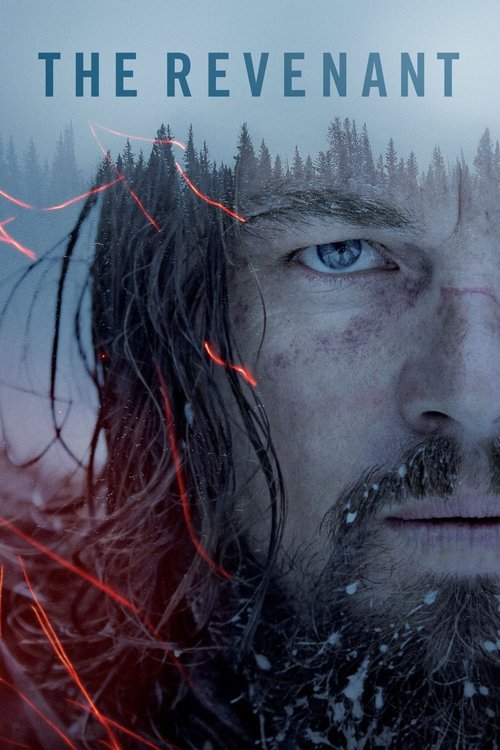
The film argues that authentic humanity resides in Indigenous connection to the land, contrasting with the greed of Western expansion. It positions the fur trade and Christian institutions as corrupt forces that disrupt natural order. Glass’s survival is framed as a return to deeper, pre-colonial wisdom rather than a triumph over nature.
Category Breakdown
No LGBTQ+ characters or relationships appear. The narrative focuses on heterosexual bonds, specifically Glass’s connection to Powaqa and male camaraderie among the trappers.
Women serve as moral anchors or victims rather than independent actors. Powaqa motivates Glass’s survival but does not drive the plot, while men dominate the narrative and action.
Native characters like Hawk and Powaqa hold narrative depth and moral authority. They contrast with flawed white trappers, and Indigenous spirituality is framed as superior to Christian hypocrisy.
Western institutions like the fur trade and Christianity are portrayed as corrupt. Native traditions and connection to the land are treated as the authentic moral center of the story.
Glass’s severe injuries function as a temporary obstacle for his transformation. The film focuses on physical endurance and recovery rather than disability as a lasting identity or social experience.
Present on Screen
Limited or Absent
Official Synopsis
In the 1820s, a frontiersman, Hugh Glass, sets out on a path of vengeance against those who left him for dead after a bear mauling.
2010
1970
1990

1971

1972
1975
1999
1956
No reviews yet. Be the first to share your thoughts on this movie!
Use the rating form above to leave a star rating and optional review.