Woman Walks Ahead
2018
No user ratings available yet
Representation score: 4.9 out of 10
Representation Score
Good
2017
RDirector
Scott Cooper
Runtime
134 minutes
Average Rating
No ratings yetNew Showbiz Analysis
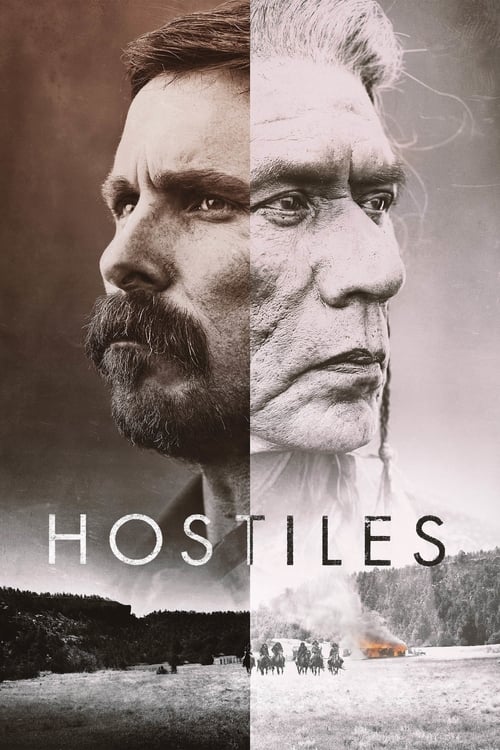
Hostiles succeeds as a revisionist Western by centering Indigenous perspectives and deconstructing the traditional mythos of frontier expansion. It moves away from romanticized archetypes to examine the systemic violence of the US Cavalry and the trauma of displacement. While the film excels in cultural and racial depth, it remains limited by a lack of LGBTQ+ representation and a reliance on traditional gender roles. The portrayal of disability is primarily tied to combat-induced psychological trauma rather than broader neurodivergent conditions. Ultimately, the film's strength lies in its refusal to treat the era's 'justice' as a moral absolute, instead framing it as a cycle of dehumanization.
Category Breakdown
The film focuses solely on straight and cisgender relationships and traditional family structures. There is no representation of LGBTQ+ identities or non-cisgender characters.
Rosalie challenges traditional gender roles through her resilience and intelligence, serving as a strong counterpoint to the performative masculinity of the soldiers.
The film highlights the Indigenous experience and shifts the focus away from Anglo-centric pioneer stereotypes. It provides depth to Cheyenne characters, challenging historical erasure through a significant Native American cast.
The film engages with post-colonial critiques by portraying Western institutions as engines of systemic violence. It deconstructs the myth of manifest destiny through a complex historical lens.
Combat-induced psychological trauma is explored as an invisible disability, driving character arcs but often serving as a plot tension device.
Present on Screen
Limited or Absent
Official Synopsis
A legendary Native American-hating Army captain nearing retirement in 1892 is given one last assignment: to escort a Cheyenne chief and his family through dangerous territory back to his Montana reservation.
2018
1993

2015

1970
1990
1964
2014
2007
No reviews yet. Be the first to share your thoughts on this movie!
Use the rating form above to leave a star rating and optional review.