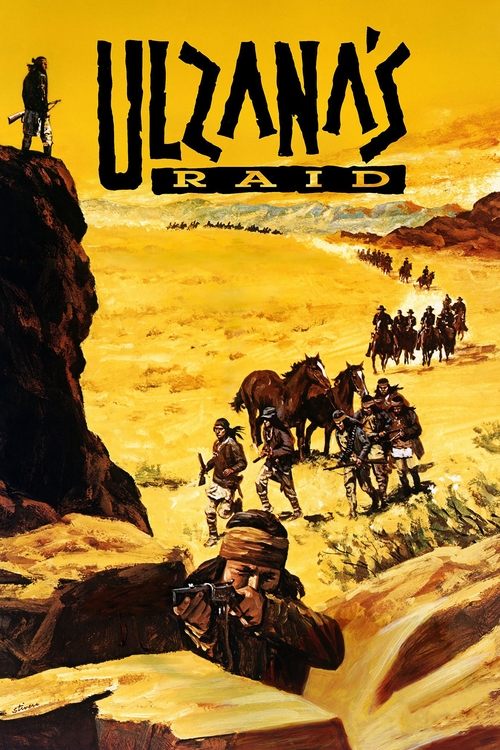
Ulzana's Raid
1972
No user ratings available yet
Representation score: 2.8 out of 10
Representation Score
Fair
2004
RDirector
Jan Kounen
Runtime
124 minutes
Average Rating
No ratings yetNew Showbiz Analysis
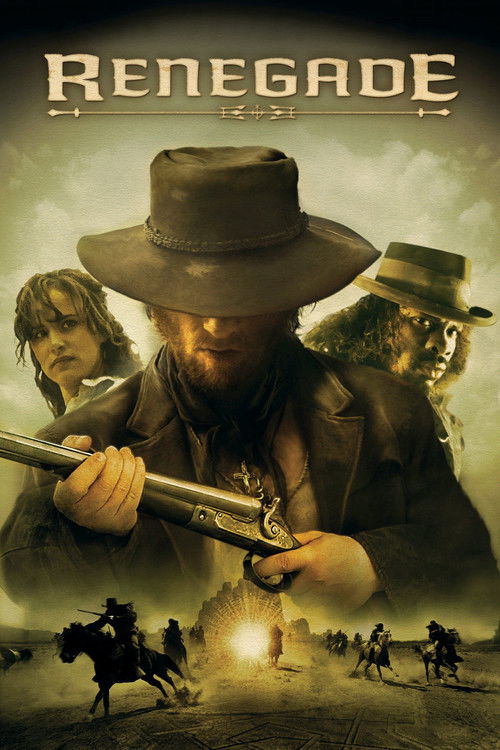
Renegade distinguishes itself from the standard Western by elevating Indigenous spirituality to a position of narrative authority. Instead of treating Native culture as a backdrop, the film uses shamanic rituals to drive the protagonist's internal transformation and challenge Eurocentric frontier clichés. However, the film remains tethered to traditional gender and romantic structures. The focus on a male 'protector' archetype and conventional romantic interests limits its progress in gender and LGBTQ+ representation. Ultimately, the film is a striking subversion of genre power dynamics, even if it does not fully depart from traditional character archetypes.
Category Breakdown
The film focuses on traditional romantic relationships centered around the protagonist's past love. There is no evidence of explicit LGBTQ+ identities or non-straight relationships.
The story centers on a male protagonist navigating masculine archetypes like the lone wanderer. While women influence his journey, there is little challenge to traditional gendered power dynamics.
The narrative disrupts Western clichés by centering the intersection of American and Indigenous cultures. Native ability to act and shamanism serve as the central mechanism for the protagonist's character arc.
The film prioritizes shamanic rituals over conventional Western logic. By framing a white sorcerer as a systemic antagonist, it critiques the exploitative nature of Western expansionism.
The protagonist deals with psychological trauma and dark memories. However, these function as narrative catalysts for spiritual growth rather than a focused exploration of disability.
Present on Screen
Limited or Absent
Official Synopsis
U.S Marshal Mike Donovan has dark memories of the death of his first love. He keeps peace between the Americans and the natives who had temporarily adopted and taken care of him. The evil actions of a white sorcerer lead him to confront the villain in the Sacred Mountains, and, through shamanic rituals conquer his fears and uncover a suppressed memory he would much rather deny.
1972

1950
1990
1972
1995
1970
2007
1970
No reviews yet. Be the first to share your thoughts on this movie!
Use the rating form above to leave a star rating and optional review.