
The Big Country
1958
No user ratings available yet
Representation score: 3.0 out of 10
Representation Score
Fair
1980
RDirector
Michael Cimino
Runtime
217 minutes
Average Rating
No ratings yetNew Showbiz Analysis
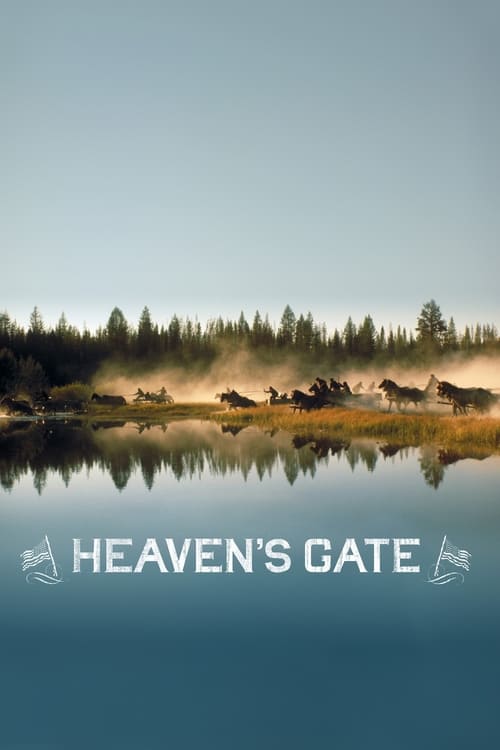
Heaven's Gate stands out as a revisionist Western that challenges the myth of American exceptionalism. By focusing on the immigrant experience and critiquing the corrupting influence of capitalism, it transcends conventional Western clichés to provide a nuanced historical critique. However, the film is constrained by the period-specific norms of its setting, limiting its representation of LGBTQ+ identities and the roles of women. Its strength lies in its cultural depth, offering a complex examination of systemic oppression and the human cost of westward expansion.
Category Breakdown
The film follows the straight-centered norms of its 19th-century setting, with no representation of LGBTQ+ identities or non-binary gender roles.
The film features a predominantly masculine environment focused on labor and violence. Women such as Ella Watson play important roles, but their impact is often linked to economic struggles.
The film showcases a rich portrayal of ethnic diversity, highlighting the experiences of Irish and German immigrants. It focuses on the conflicts between these immigrant groups and the land-owning class.
The narrative critiques capitalism and state authority through a sophisticated lens. It reimagines westward expansion as a struggle against oppressive, organized capital, challenging traditional Western myths.
The film does not significantly feature characters with disabilities, nor does it use disability as a central theme.
Present on Screen
Limited or Absent
Official Synopsis
Harvard graduate James Averill serves as the sheriff of prosperous Jackson County, Wyoming, standing at the center of a conflict between impoverished immigrants and affluent cattle farmers. Politically connected ranchers enlist mercenary Nathan Champion—who is also vying for the affections of local madam Ella Watson—to combat the immigrant uprising. As tensions escalate, both Averill and Champion start to question their decisions.
1958

1954
1980
1954

1956

1970

2000
1943
No reviews yet. Be the first to share your thoughts on this movie!
Use the rating form above to leave a star rating and optional review.