
Barbershop 2: Back in Business
2004
No user ratings available yet
Representation score: 8.2 out of 10
Representation Score
Fair
2002
PG-13Director
Tim Story
Runtime
102 minutes
Average Rating
No ratings yetNew Showbiz Analysis
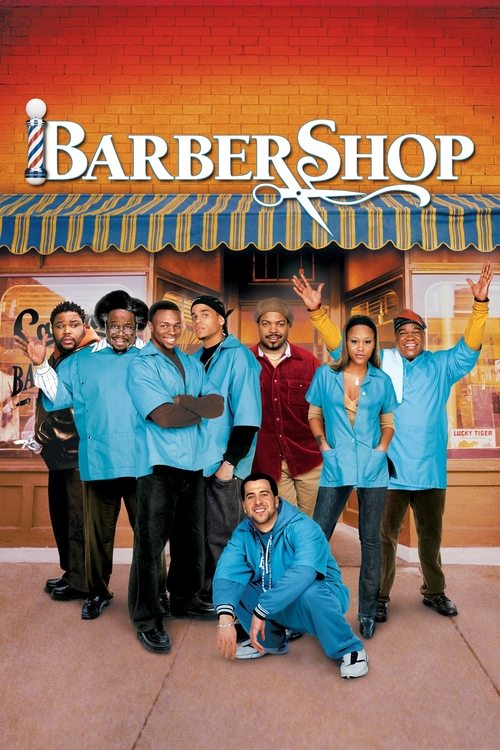
Barbershop is a powerful example of community-centric storytelling that prioritizes the lived experiences of a specific demographic. Its greatest strength lies in the intentional centering of Black ability to act, turning a local business into a complex exploration of identity and systemic resistance. However, the film remains anchored to traditional social structures. The professional world is heavily male-dominated, and the narrative lacks explicit representation of LGBTQ+ identities, keeping social dynamics within conventional boundaries. Ultimately, the film succeeds as a piece of social commentary. By framing the struggle for the shop against economic displacement, it provides a nuanced look at how underrepresented urban spaces fight to preserve their cultural heritage.
Category Breakdown
The film focuses on traditional social structures and interpersonal dynamics, lacking explicit representations of non-straight or non-cisgender identities. It does not challenge these conventional social norms.
The professional hierarchy is dominated by male perspectives, while women like Gina play significant roles in their personal lives. However, the film does not break down gendered hierarchies.
The film stands out by using an almost entirely Black cast to explore urban life. It emphasizes the importance of the barbershop as a vital site of community discussion and centers Black ability to act.
The narrative offers a nuanced critique of capitalist urban development and gentrification. It portrays the barbershop as a place where political debates occur, emphasizing community loyalty over traditional moral codes.
There are no prominent or central depictions of visible or invisible disabilities that significantly influence the plot or character development.
Present on Screen
Limited or Absent
Official Synopsis
A day in the life of a barbershop on the south side of Chicago. Calvin, who inherited the struggling business from his deceased father, views the shop as nothing but a burden and waste of his time. After selling the shop to a local loan shark, Calvin slowly begins to see his father's vision and legacy and struggles with the notion that he just sold it out.
2004

1996

2016

2018

2018

2020

2012
2008
No reviews yet. Be the first to share your thoughts on this movie!
Use the rating form above to leave a star rating and optional review.