
Last Christmas
2019
No user ratings available yet
Representation score: 6.9 out of 10

Representation Score
Good
2018
TV-MADirector
Haifaa al-Mansour
Runtime
100 minutes
Average Rating
No ratings yetNew Showbiz Analysis
Nappily Ever After distinguishes itself by transforming a standard romantic comedy into a critique of systemic beauty hierarchies. The film's primary strength lies in its approach to linking racial identity to gendered social pressures. By centering the natural hair movement, the story moves beyond surface-level representation to explore post-colonial reclamation. This makes the protagonist's aesthetic choices a profound driver of her psychological evolution. While the film lacks LGBTQ+ or disability-focused narratives, its deep dive into the politics of Black hair and professional assimilation provides a robust, meaningful framework for identity-driven storytelling.
Category Breakdown
The story focuses on heterosexual relationships and the protagonist's personal identity. It lacks central queer characters or explicit LGBTQ+ narratives.
Violet's journey highlights women's ability to drive the story by resisting societal demands for aesthetic conformity. The film challenges hierarchies that prioritize female passivity and the male gaze.
The film centers the Black experience through the natural hair movement. It uses hair texture as a metaphor for reclaiming ability to act against Eurocentric beauty standards.
The narrative critiques the beauty industry and capitalist pressures to conform. It prioritizes individual authenticity over Western-centric corporate norms of professionalism.
A salon accident serves as a physical catalyst for change. However, the film lacks sustained depictions of neurodivergence or chronic disability.
Present on Screen
Limited or Absent
Official Synopsis
After an accident at the hair salon, Violet realizes she's not living life to the fullest. A soulful barber helps her put the pieces back together.
2019

2020
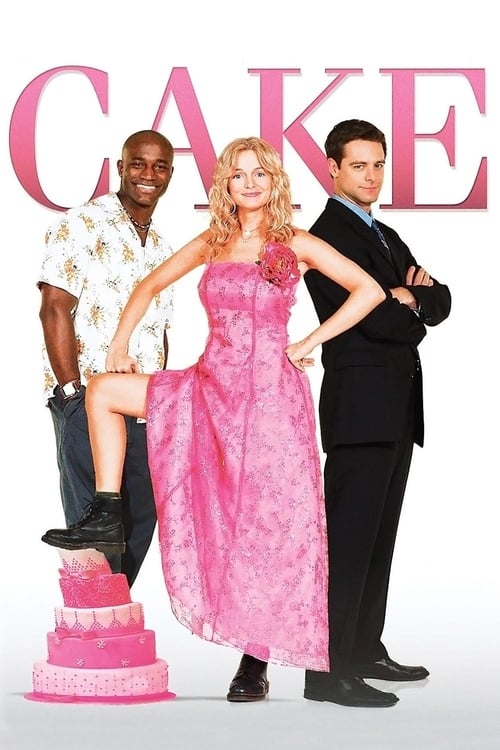
2005
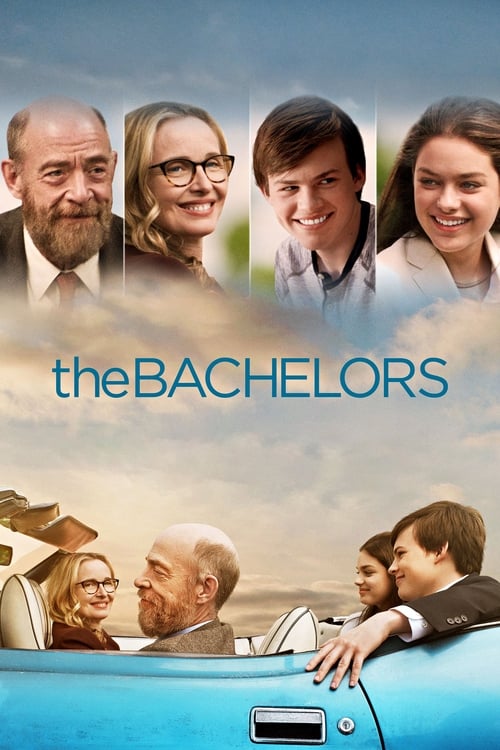
2017
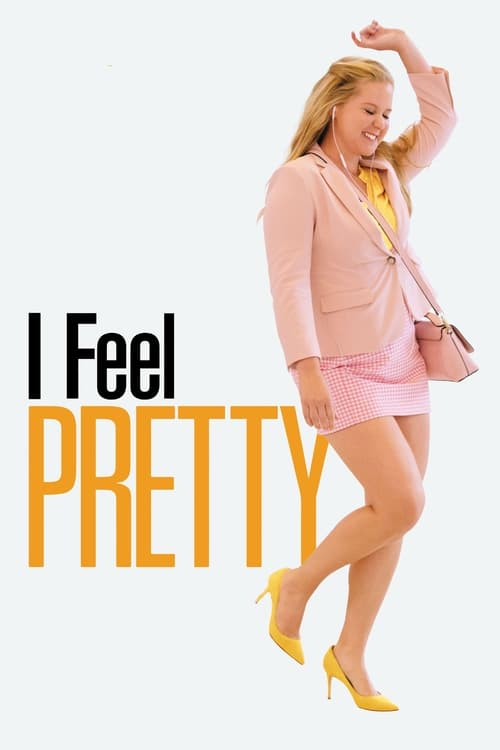
2018
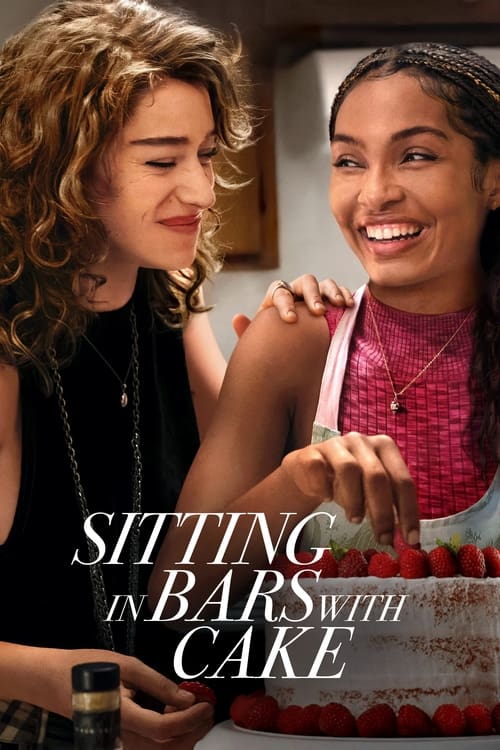
2023
2022
2024
No reviews yet. Be the first to share your thoughts on this movie!
Use the rating form above to leave a star rating and optional review.