Rosencrantz & Guildenstern Are Dead
1991
No user ratings available yet
Representation score: 4.8 out of 10
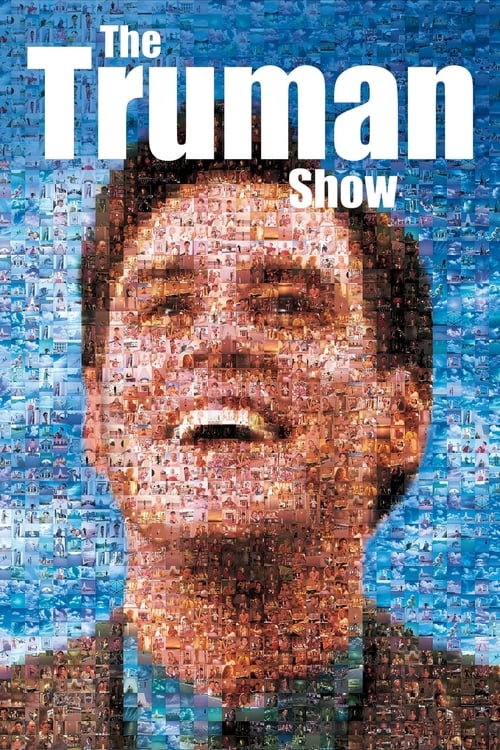
Representation Score
Fair
1998
PGDirector
Peter Weir
Runtime
103 minutes
Average Rating
No ratings yetNew Showbiz Analysis
The film argues that consent is the foundation of authentic existence. Truman’s world is a comfortable cage, but it is a cage nonetheless. The narrative frames autonomy as the highest good, even when that autonomy means leaving a safe, curated life for an uncertain, uncontrolled reality. Christof’s control is not evil, but it is invalid because it was never chosen. The last moral word belongs to Truman. By walking toward the dark exit, he rejects a scripted life for a genuine one. The film does not condemn the audience for watching, but it implies that voyeurism without consent is a form of violence. The argument is secular and individualist: a life is only truly lived when the subject has the power to leave.
Category Breakdown
All romantic and sexual relationships depicted are strictly heterosexual. No characters identify as LGBTQ+, and no same-sex intimacy or identity markers appear on screen.
Meryl drives the emotional arc and facilitates Truman’s escape, acting as the calm moral center. Marlon serves as a clumsy obstacle, while Lauren functions as a romantic prize who remains within the system.
The cast is almost entirely white, reflecting a sanitized, mid-century American ideal. No non-white characters hold narrative weight or depth in this homogeneous utopia.
Christof functions as a controlling deity, framing the show’s creator as a god-like authority. The nuclear family is revealed as a fabrication, yet the film critiques imposed reality rather than family structures themselves.
No characters have lasting impairments, visible differences, or stigmatized bodies. Truman’s fear of water is a psychological tool, not a disability. No disabled or fat characters appear in the narrative.
Present on Screen
Limited or Absent
Official Synopsis
In a picture-perfect seaside town, an insurance salesman begins to realize that his entire existence may be staged and observed by a vast unseen audience as part of a long-running real-time reality TV show.
1991
1997

2010

1996

2017

1981
1999
2017
No reviews yet. Be the first to share your thoughts on this movie!
Use the rating form above to leave a star rating and optional review.