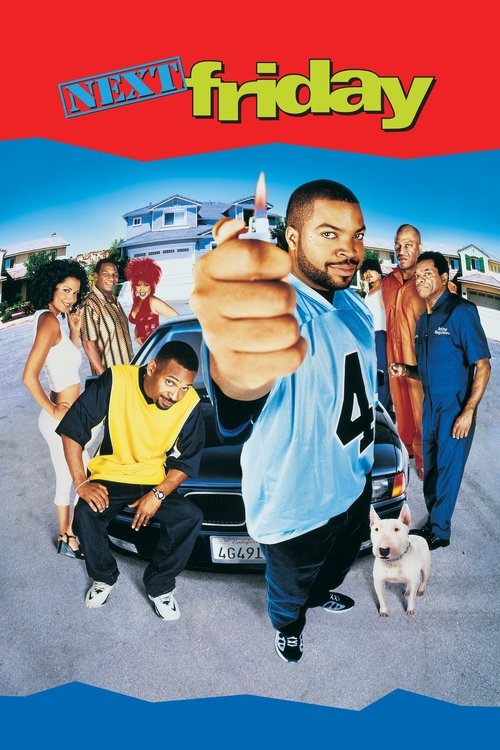
Next Friday
2000
No user ratings available yet
Representation score: 2.7 out of 10

Representation Score
Fair
1996
RDirector
Paris Barclay
Runtime
89 minutes
Average Rating
No ratings yetNew Showbiz Analysis
The film serves as a sophisticated postmodern satire that deconstructs the commodification of urban struggle. It excels by using parody to challenge the 'white gaze' and the way Hollywood packages underrepresented identities for consumption. While the work offers a powerful critique of racial and cultural clichés, it lacks depth in other areas. The narrative structure is heavily oriented toward male-driven archetypes and traditional social frameworks. Ultimately, the film's strength lies in its meta-commentary. It disrupts conventional cinematic expectations of the urban drama genre to assert a unique narrative form.
Category Breakdown
The film does not focus on LGBTQ+ narratives or non-cisgender identities. It centers on traditional social dynamics within a specific urban subculture without engaging with LGBTQ+ themes.
The narratives primarily revolve around male-driven archetypes typical of the hood film genre. Female characters appear but often play secondary roles within a male-dominated social ecosystem.
The film features a predominantly Black cast, providing a focused exploration of African American life. It employs parody to critique how Hollywood has historically misrepresented and stereotyped Black identity.
The story deconstructs traditional institutions and authority figures through satire. It critiques the commercialization of struggle and the systemic constraints faced by the community.
There is no evidence of characters with visible or invisible disabilities driving the plot. No such characters are used as central thematic devices.
Present on Screen
Limited or Absent
Official Synopsis
When Ashtray moves to South Central L.A. to live with his father (who appears to be the same age he is) and grandmother (who likes to talk tough and smoke reefer), he falls in with his gang-banging cousin Loc Dog, who along with the requisite pistols and Uzi carries a thermo-nuclear warhead for self-defense. Will Ashtray be able to keep living the straight life?
2000

1990
1995

1998
2002
1988
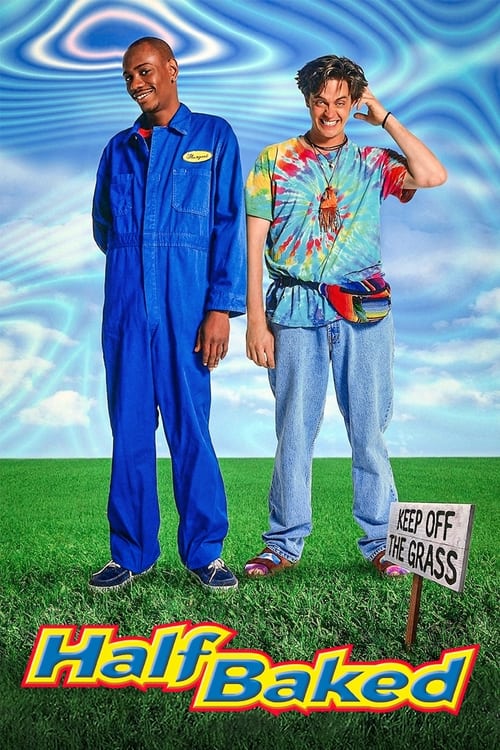
1998
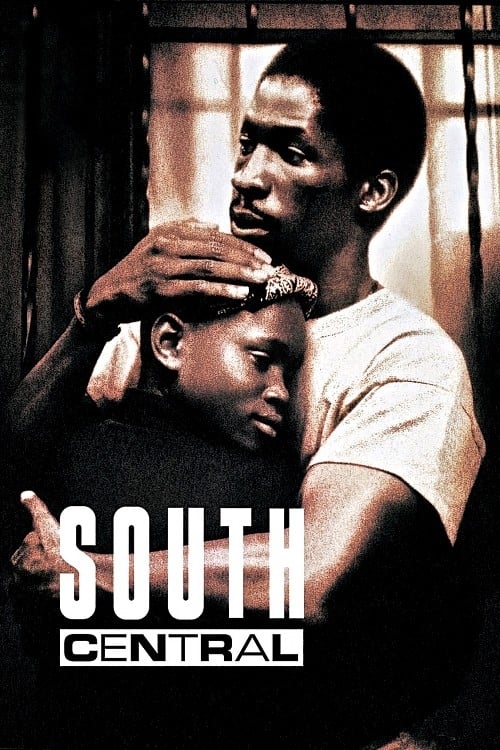
1992
No reviews yet. Be the first to share your thoughts on this movie!
Use the rating form above to leave a star rating and optional review.