The Man Who Invented Christmas
2017
No user ratings available yet
Representation score: 2.6 out of 10
Representation Score
Excellent
2019
PGDirector
Armando Iannucci
Runtime
119 minutes
Average Rating
No ratings yetNew Showbiz Analysis
By featuring a diverse cast, Armando Iannucci’s adaptation challenges the monolithic expectations of period dramas. The film broadens the accessibility of the literary canon by reimagining it through a more layered lens. Its most notable achievement is disrupting the traditionally white depiction of Victorian worlds. Combined with strong female leadership, the film moves away from rigid historical hierarchies. While the film excels in racial and gender representation, it remains somewhat limited in its exploration of LGBTQ+ identities and specific physical disabilities. These areas are not central to the narrative.
Category Breakdown
The film primarily centers on heterosexual relationships typical of the original Dickens text. It does not prominently feature non-binary gender identities or explicit same-sex relationships.
The film highlights strong, independent women such as Betsey Trotwood, who serve as key emotional anchors. Women are shown navigating and challenging the restrictive Victorian society.
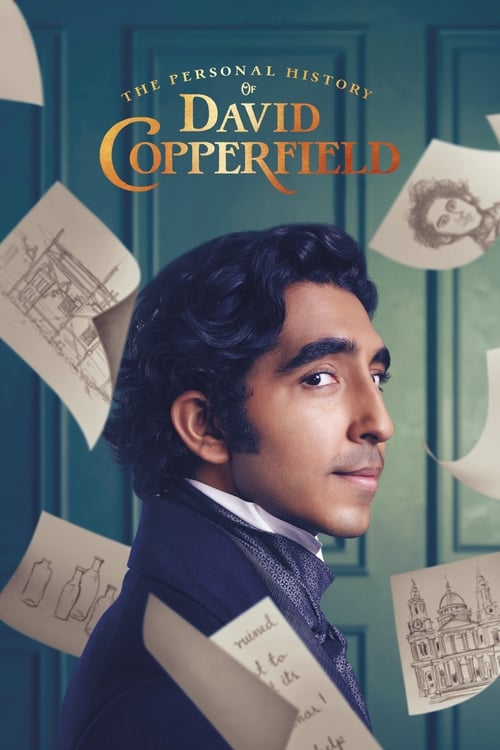
Casting Dev Patel as the lead challenges the traditional Anglo-centric portrayal of the Victorian era. This approach emphasizes human resilience across different racial backgrounds.
The film critiques the rigid class system and exploitative capitalism of the Victorian era. It emphasizes 'chosen family' over traditional patriarchal structures, reflecting more fluid, modern social bonds.
The story touches on the psychological impact of childhood trauma and neurodivergent traits. However, it does not focus specifically on physical or sensory disabilities.
Present on Screen
Limited or Absent
Official Synopsis
A fresh and distinctive take on Charles Dickens’ semi-autobiographical masterpiece, The Personal History of David Copperfield, set in the 1840s, chronicles the life of its iconic title character as he navigates a chaotic world to find his elusive place within it. From his unhappy childhood to the discovery of his gift as a storyteller and writer, David’s journey is by turns hilarious and tragic, but always full of life, colour and humanity.
2017

2011
1998
2004

2018

1990

2013

1968
No reviews yet. Be the first to share your thoughts on this movie!
Use the rating form above to leave a star rating and optional review.