Paris Is Burning
1991
RNo user ratings available yet
Representation score: 10.0 out of 10
These lists use approved LGBTQ+ representation scores for films that have written notes. Highest-scoring films are those whose notes describe more on-screen LGBTQ+ representation. Lowest-scoring films are those whose notes describe little or none. Neither list is a quality ranking.
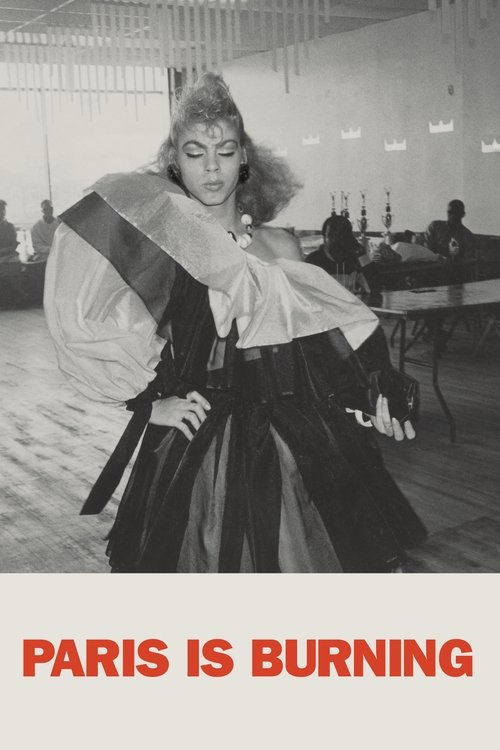
The film centers on trans women, drag queens, and gay men, treating their identities as central to the narrative rather than secondary elements.
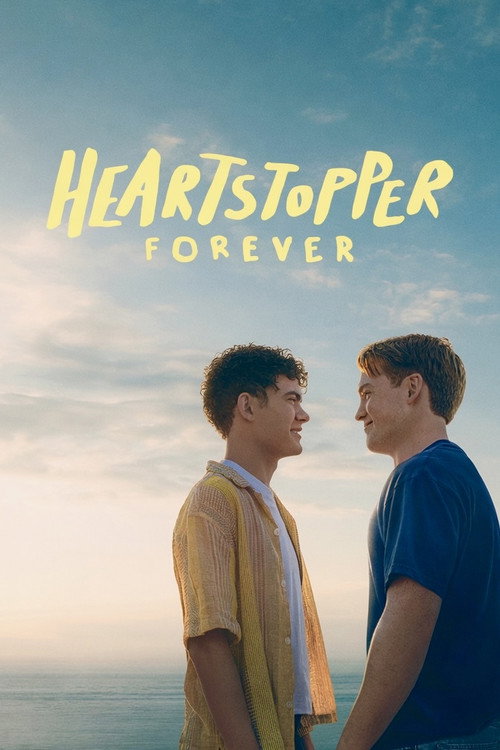
Queer identity is the default setting, not a subplot. Nick and Charlie’s gay romance anchors the film, while Elle’s trans identity and Tao’s bisexuality are woven naturally into daily life.
The film explores queer identity through a nuanced lens, avoiding stereotypes by showing how same-sex intimacy interacts with societal pressures.
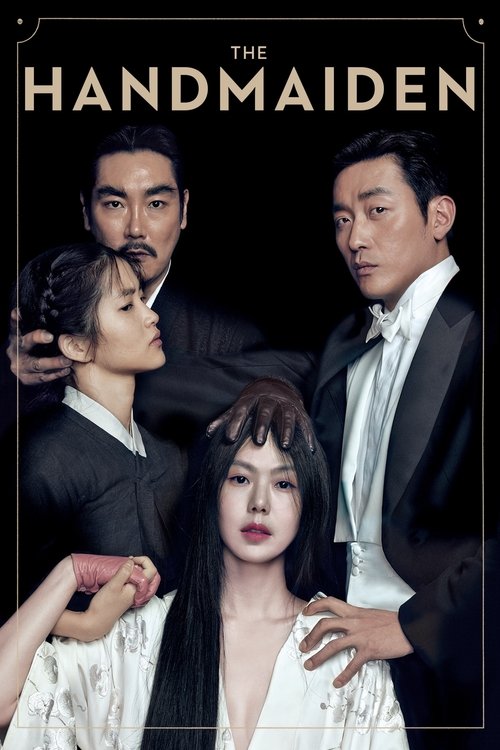
The central narrative focuses on the romantic and erotic bond between Sook-hee and Hideko. Their relationship serves as a powerful act of defiance against a restrictive social order.
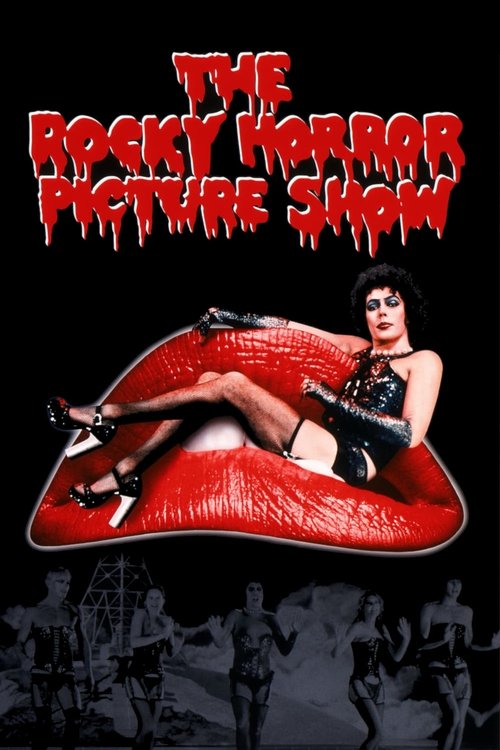
The film highlights non-traditional gender expressions through Dr. Frank-N-Furter, who embodies radical gender presentation and sexual fluidity.
The film focuses on a deep romantic and erotic relationship between two women. It goes beyond token representation to show a central queer experience within an 18th-century setting.
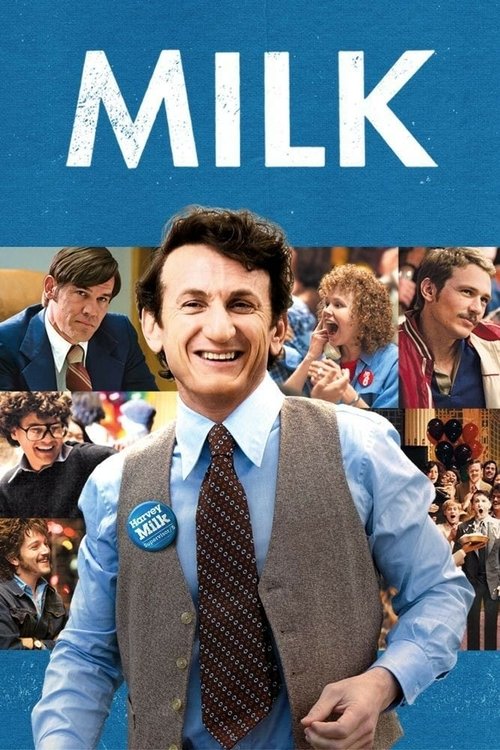
The film highlights LGBTQ+ identity by placing it at the center of political discussions. It shows how the LGBTQ+ community drives change through organizing and activism.
The film focuses entirely on the life of a trans woman, moving beyond just showing her presence. It emphasizes how her gender identity shapes her actions and drives the plot.
The film centers its entire narrative on a transgender man, exploring trans masculinity and romantic intimacy with profound depth. It avoids treating identity as a subplot and instead places it at the core of the story.
The film focuses entirely on queer lives, going beyond token representation. It portrays same-sex relationships as essential to human connection.
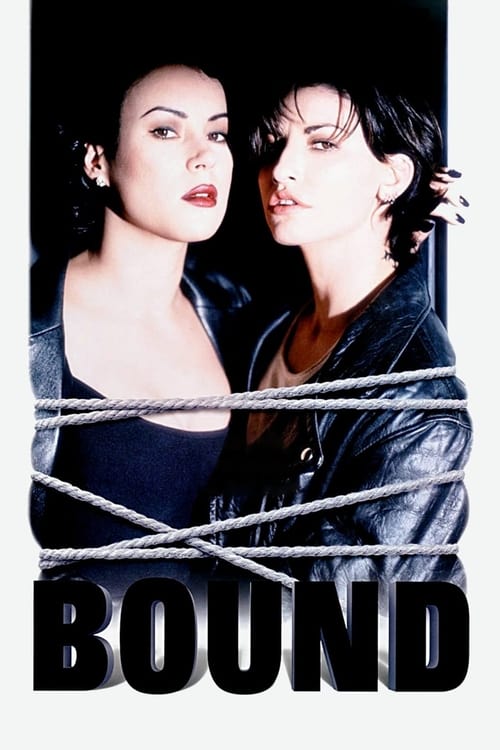
The film centers an intimate relationship between two women, making same-sex intimacy the core of its tension and momentum. It prioritizes sexual liberation and empowerment rather than portraying queerness as a tragic subplot.
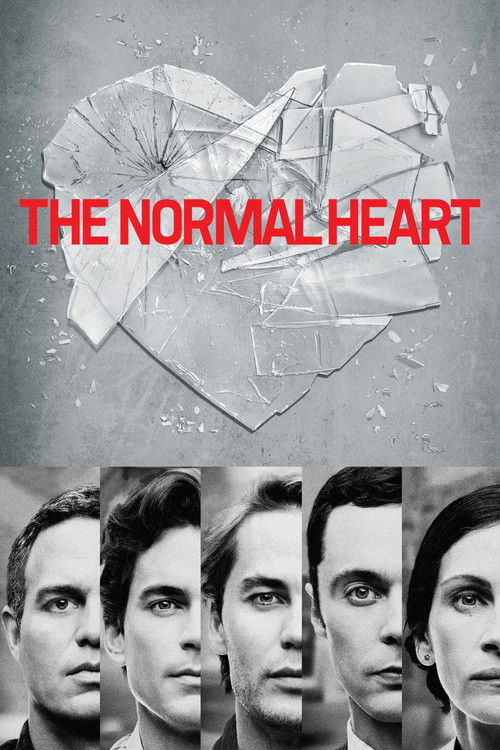
The film focuses on a same-sex relationship between Adam and Harry, which serves as the main emotional core. It uses time shifts to explore the historical impact and trauma of being queer.
The film explores the psychological impact of forced conformity on queer identity. It goes beyond including someone from a minority group without giving them real depth to criticize the institutional suppression of non-conforming identities.
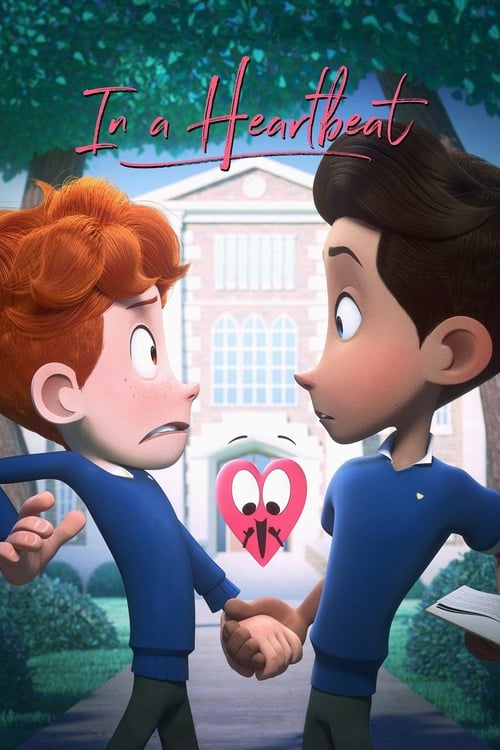
The film focuses on the experiences of queer adolescents, using the heart as a symbol for vulnerability. It highlights the risks of coming out and the importance of true identity.
The film focuses on queer characters who play key roles in political and social change. It shows same-sex relationships and domestic life with honesty and authenticity, while criticizing assumptions that everyone is straight or cisgender.
The film focuses on LGBTQ+ identities, making the queer experience central to the narrative.
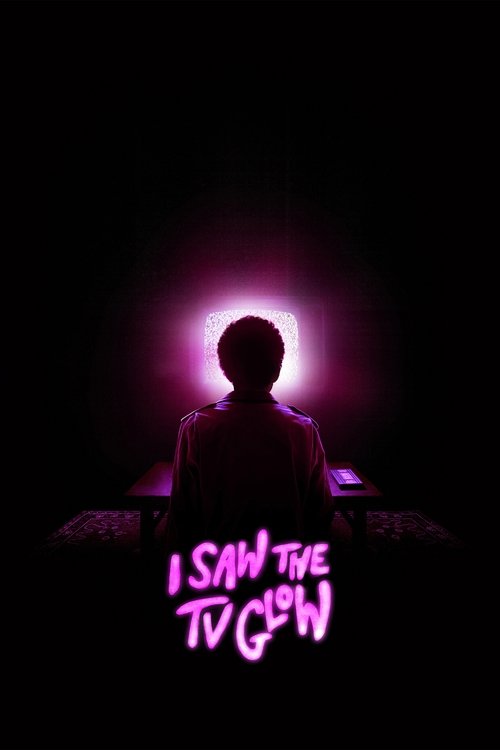
The film uses a supernatural TV show to symbolize the queer experience, focusing on the psychological tension between internal identity and societal expectations.
The film focuses on trans feminine identities as central to its storyline. Characters have strong ability to act and complex emotions, avoiding the typical tragic stereotypes often seen in mainstream movies.
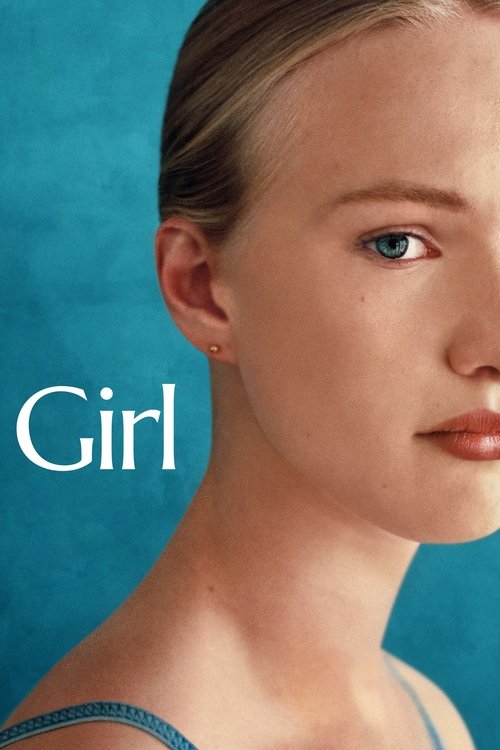
The film centers on the transgender experience, focusing on the protagonist's struggle with gender dysphoria and her journey towards femininity in the world of ballet.
The film centers on Marina, a transgender woman, presenting her as a fully realized individual. It avoids tragic clichés and focuses on her dignity and the societal attempts to invalidate her grief.
The film focuses on a transgender woman and her partner, a trans man, highlighting their relationship within a romantic and domestic context. This portrayal normalizes trans identities and challenges traditional heterosexual norms.
The film focuses on LGBTQ+ identities as key drivers of the plot. It delves into the psychological complexities of same-sex relationships and the challenges of living in the closet.
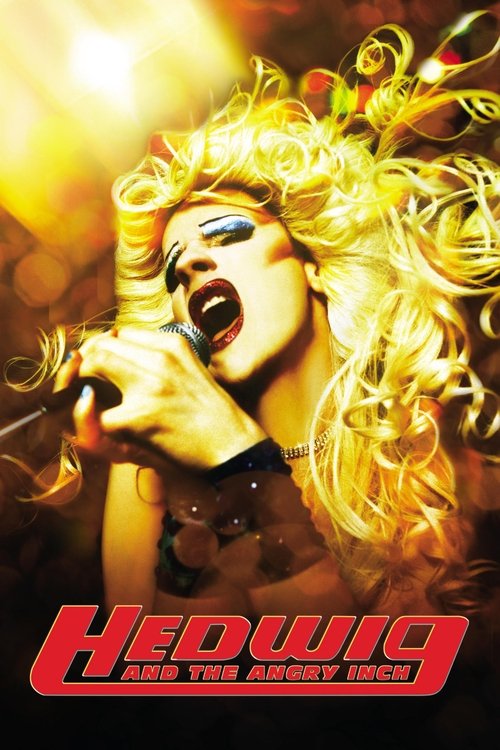
The film centers on a genderqueer experience that goes beyond the traditional gender binary. Hedwig's journey explores the complexities of transgender identity through a unique sense of self.
The film focuses on a same-sex romance, where the main characters pursue intimacy and legal recognition as the core of their story.
The film focuses on queer identity and male-to-male desire as key themes. It also provides a nuanced look at gender identity through the character Tina, who is transgender, avoiding superficial representation.
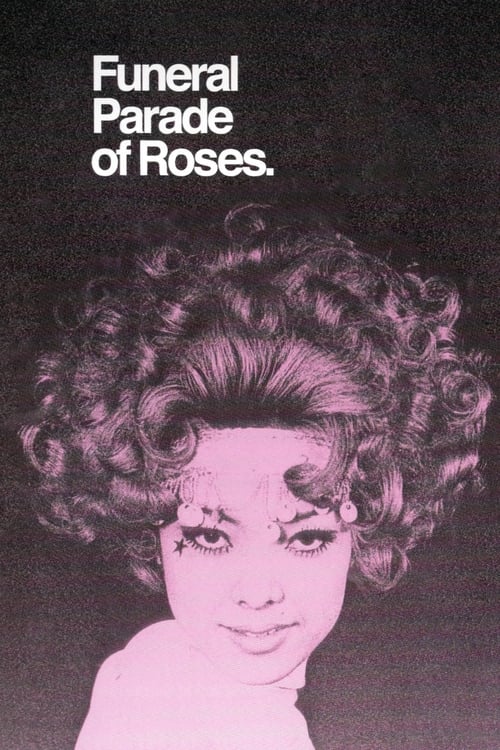
1969
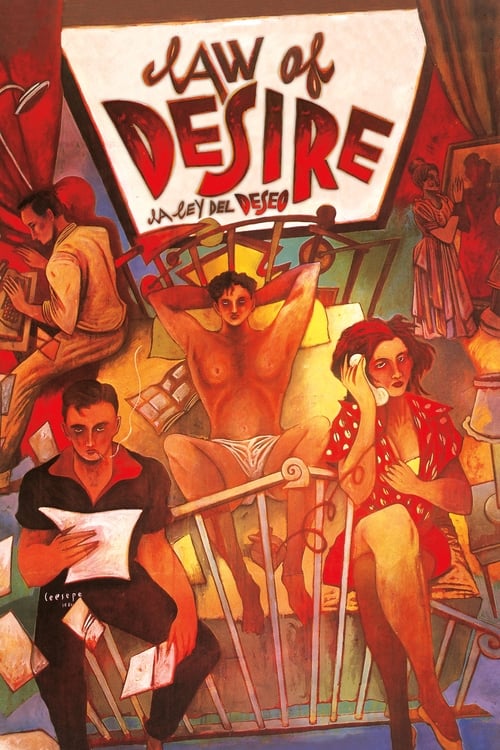
Not RatedThis important film centers its narrative on the lives of gender-nonconforming individuals in Shinjuku. It explores same-sex relationships and non-traditional gender identities by focusing on the internal experiences of these characters.
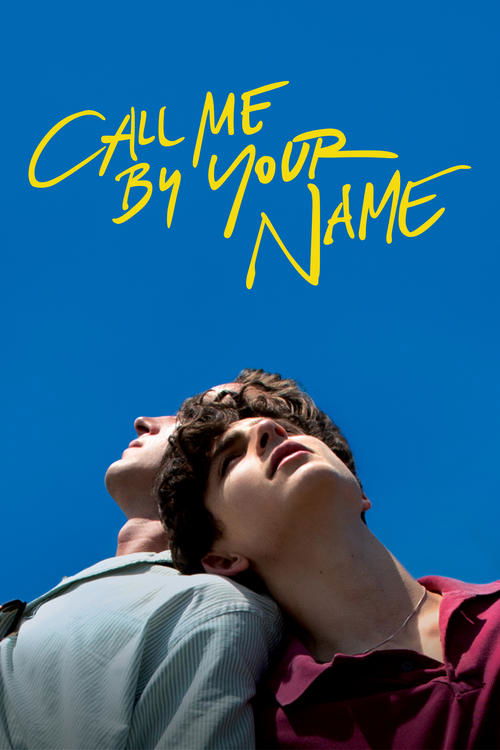
The film focuses on a romantic relationship between Elio and Oliver, highlighting their emotional and sexual intimacy with sensitivity and nuance.
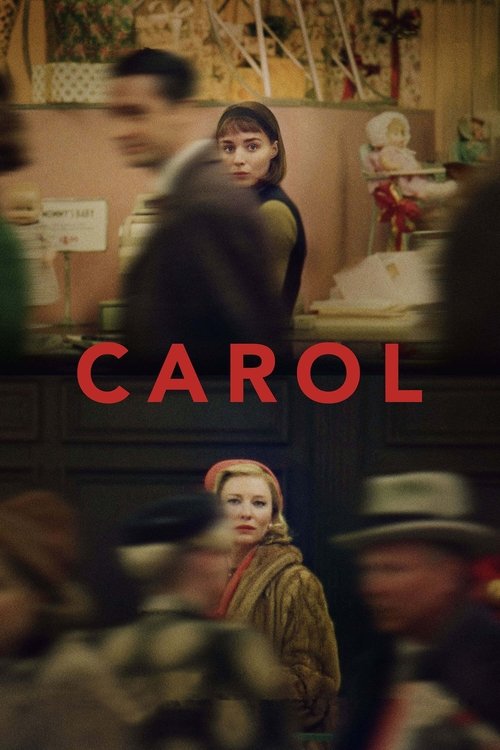
The film centers its narrative around a lesbian relationship, exploring themes of sexual awakening and domestic life without relegating these elements to minor roles. It provides a strong foundation for queer cinema by focusing on these themes throughout the story.
The film explores same-sex intimacy deeply and emotionally, avoiding tragic clichés. It highlights the ability to act and depth of feelings in the central relationship.
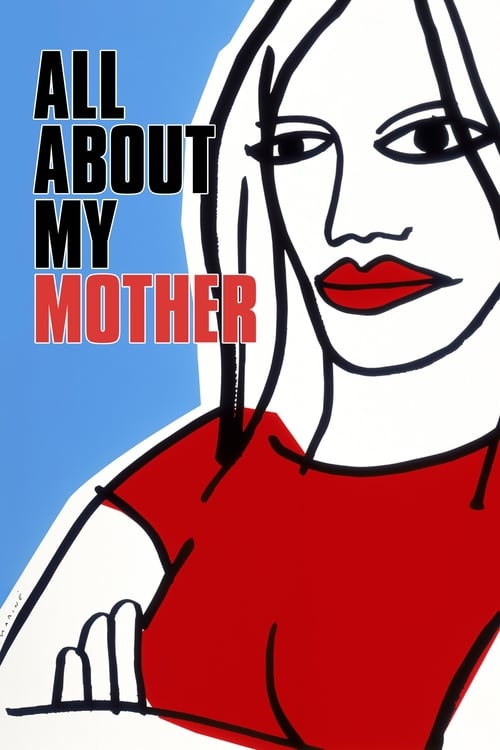
The film highlights the dignity and emotional depth of transgender and lesbian characters, such as Agronia, who is portrayed with respect and authenticity. It treats fluid gender identities and lesbian relationships as natural and integral to the story, rather than sensationalizing them.
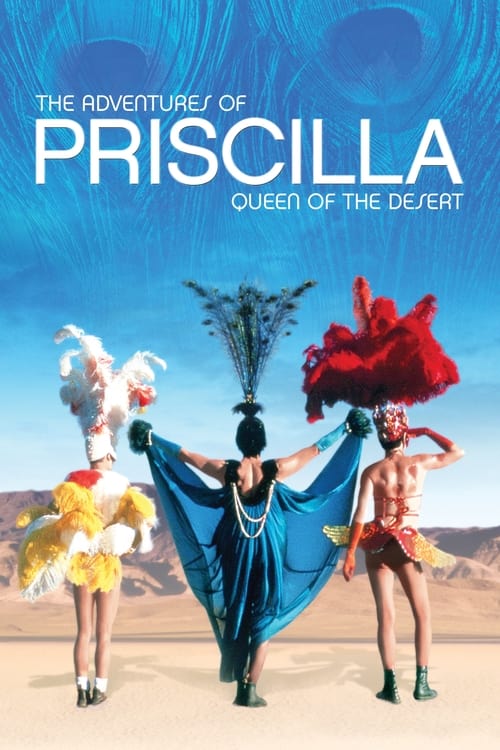
The film is groundbreaking for LGBTQ+ representation, featuring drag performers and a transgender woman as key figures driving the plot. It delves deeply into themes of gender performance and same-sex friendships, giving these characters substantial roles and ability to act.
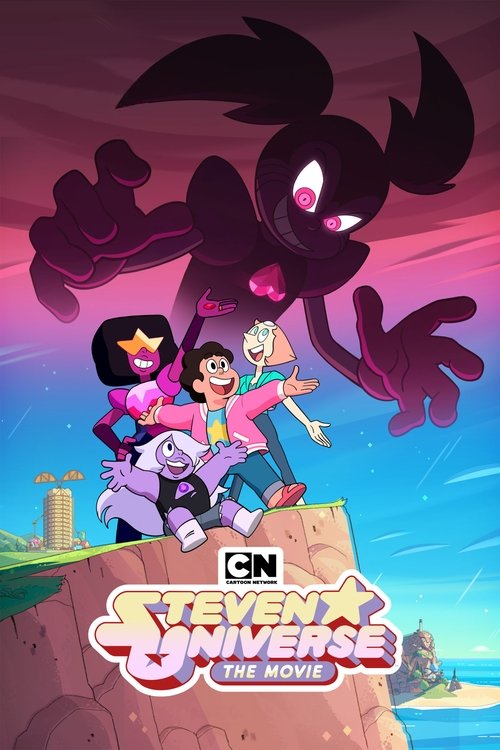
The film uses non-human Gems as powerful symbols for non-traditional gender identities and sexual orientations. It highlights identity fluidity and rejects strict, traditional assumptions about gender and sexuality, making queer and non-binary identities central to the story.
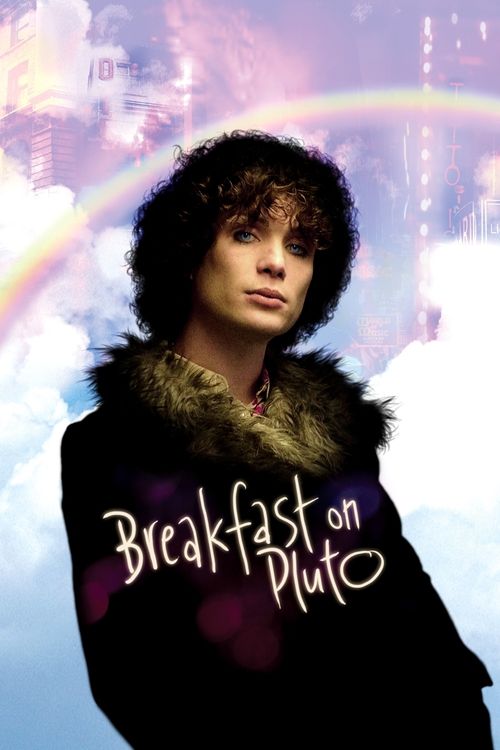
The film centers on a transgender protagonist named Pat/Kitten, exploring queer identity and survival in the 1970s. It challenges traditional assumptions about sexuality and gender without relying on clichés.
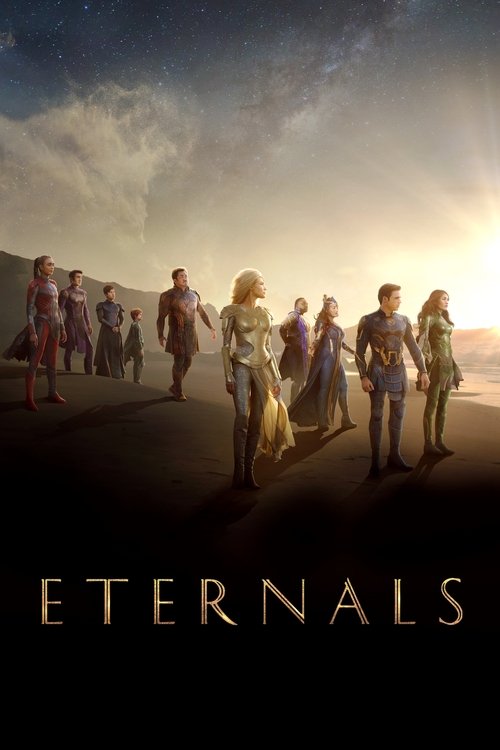
Phastos is portrayed with depth, showing a normalized marriage to Egois. His queer identity is a core part of his character rather than a superficial plot device, and his technical skills play a key role in the story.
The film centers its emotional core on the queer experience through Joy, a lesbian character. Her identity drives the primary conflict, exploring themes of belonging and the friction caused by traditionalist familial expectations.
The film centers a profound, long-term queer relationship between Ennis and Jack. It goes beyond including someone from a minority group without giving them real depth to explore the emotional and physical intimacy of their bond while criticizing the systemic entrapment of the closet.
The film focuses its entire storyline on a character's journey with a non-binary gender identity. The protagonist's experience with gender fluidity and biological changes is crucial to the story's structure and progression.
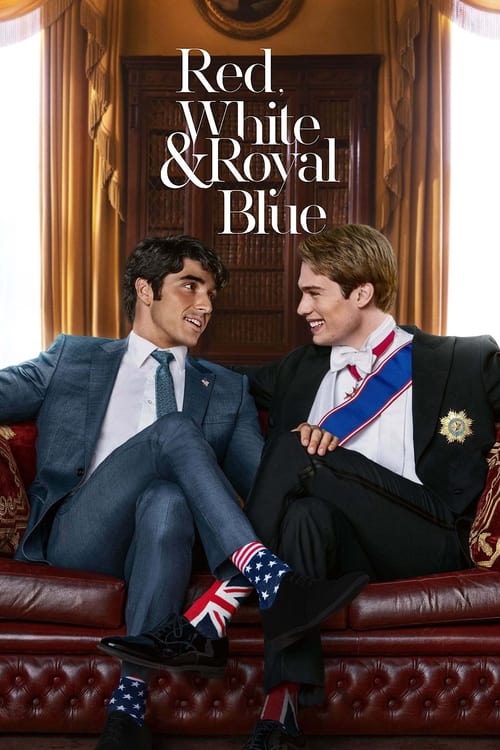
The film focuses on the queer romance between Alex Claremont-Diaz and Prince Henry. It goes beyond including a single diverse character by delving into the complexities of their relationship within high-pressure political environments.
The film centers around a lesbian domestic partnership, treating queer identity as a normalized part of daily life rather than a source of conflict. Characters navigate their relationships with significant influence and control.
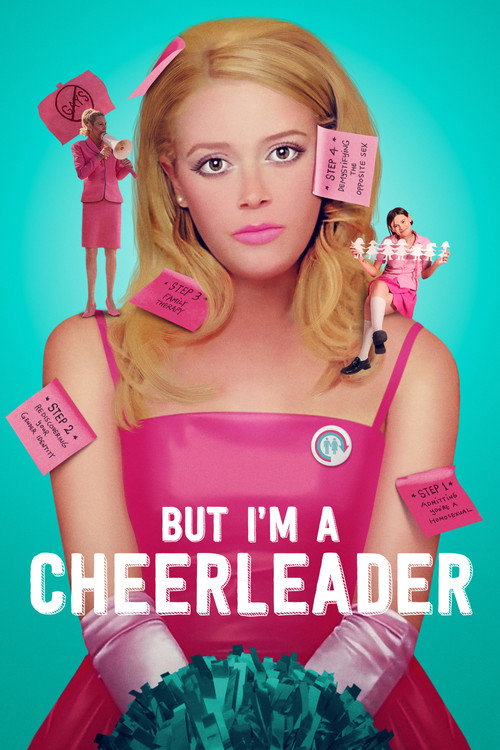
The film centers on a queer protagonist, exploring the psychological impact of societal pressure to conform to heterosexual norms. It also highlights the harmful effects of conversion therapy.
The film includes a normalized same-sex relationship between Ethan Clade and Omar. Their relationship is presented as a regular part of their lives, not a source of conflict.
The film centers a lesbian relationship as its main storyline. It explores same-sex intimacy with significant nuance, treating queer identity as the core of the narrative.
The film focuses on same-sex relationships as its main storyline rather than a side plot. Jasmine and Dallas play key roles, making their connection a deep exploration of identity and sexual awakening.
The film centers its narrative on a romantic and sexual bond between Benedetta and Sister Agnese, which challenges 17th-century mandates of celibacy. Queer desire drives the plot, highlighting the complexity of their relationship.
The film focuses on Laurence's journey as a transgender woman, making her transition the main emotional storyline. It delves into the intricacies of non-binary gender identity and queer relationships with great depth.
The film focuses on queer identity and same-sex relationships, avoiding common clichés by exploring the intersection of intimacy and family trauma through psychological realism.
The film focuses on the romantic relationship between Lai Yiu-fai and Ho Po-wing, exploring the complexities of same-sex intimacy and domestic life without reducing their orientation to a minor subplot.
The film centers on a non-straight protagonist, exploring the psychological impact of hiding one's sexuality and the complexities of same-sex relationships during a restrictive time period.
The film includes a range of sexual orientations and gender expressions as key elements of the story. It challenges the idea that everyone is straight or cisgender by showing authentic same-sex relationships.
Naim and Ryan’s tender romance anchors the narrative, driving both emotional stakes and plot progression. The film explicitly condemns conversion therapy by depicting its violent, lethal consequences on queer teens.
No same-sex couples or non-heteronormative identities appear. Male bonding is strictly physical combat and hierarchy.
No LGBTQ+ characters appear in the cast or dialogue. The film contains no same-sex intimacy, coming-out scenes, or queer-coded dynamics.
No LGBTQ+ characters appear in the film. Tony Stark’s romantic interests are exclusively women, and all intimacy is heterosexual.
No LGBTQ+ characters, relationships, or themes appear. Arthur’s connections are strictly heterosexual or familial.
No same-sex couples, romantic partners, or non-binary characters appear. The film features no queer dialogue, intimacy, or identity markers.
No same-sex couples or non-binary characters appear. The cast consists of men and women in survival dynamics.
No same-sex intimacy or queer characters appear. All romantic and social bonds follow a strictly heterosexual, binary structure.
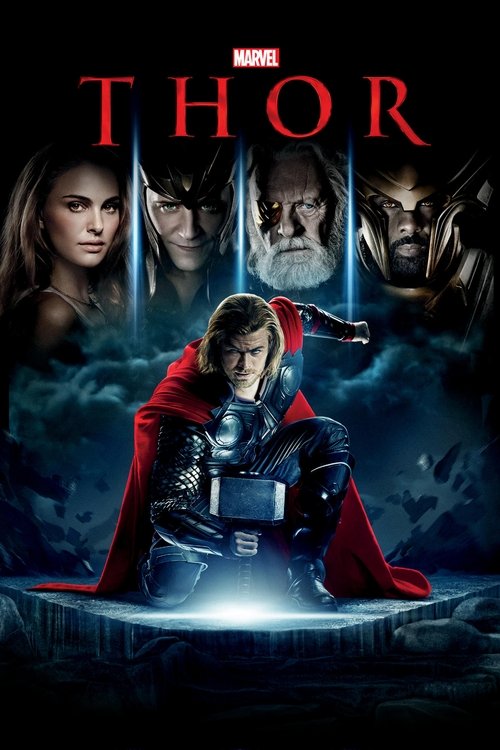
No LGBTQ+ characters, intimacy, or discussion appear on screen. The romantic dynamics are strictly heterosexual, pairing Thor with Jane and leaving other relationships undefined.
No same-sex couples, queer characters, or non-binary identities appear on screen. Romantic and familial bonds are strictly heterosexual or platonic.
No same-sex couples or queer characters appear on screen. The romantic core is strictly heterosexual, focusing on the marriage between Carl and Ellie.
No same-sex couples, romantic intimacy, or non-binary characters appear. The cast is entirely heterosexual, and no dialogue or plot points address sexual orientation or gender identity.
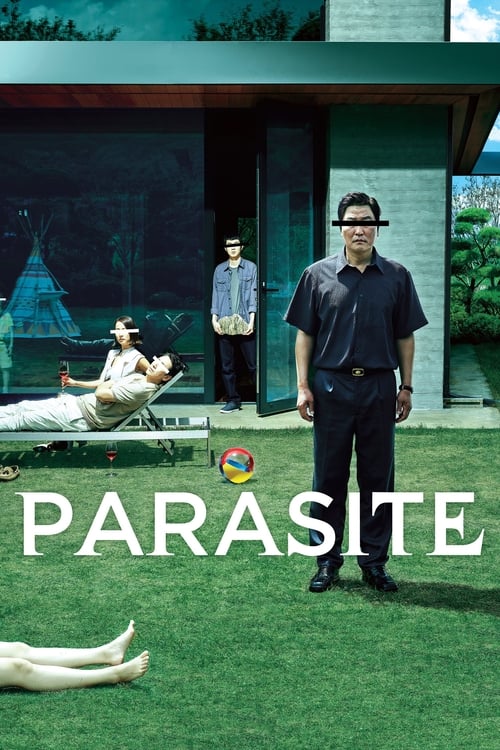
No same-sex couples, queer identities, or non-binary characters appear in the film. Romantic and sexual dynamics are strictly heterosexual between the Park and Kim family members.
No same-sex romance, queer characters, or identity themes appear. The film focuses entirely on parent-child bonds and species-based social dynamics.
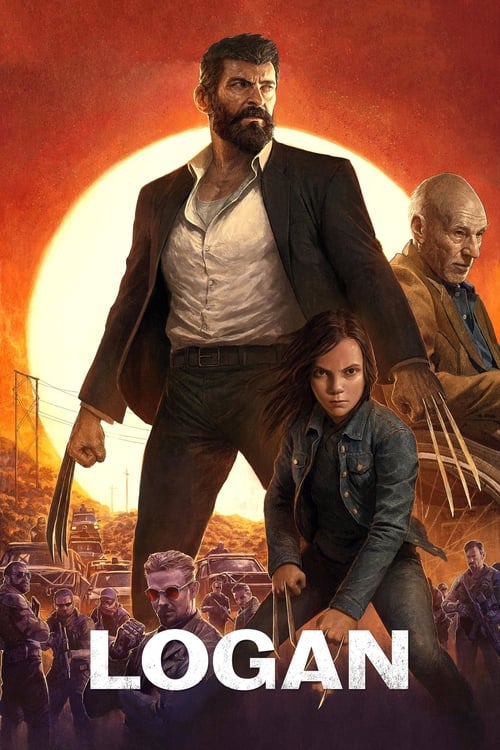
No LGBTQ+ characters, same-sex relationships, or queer identities appear in the film. The narrative focuses entirely on mutant status, familial bonds, and survival in a dystopian future.
No LGBTQ+ characters or same-sex romance appear in the film. All romantic or familial bonds depicted are between men and women.
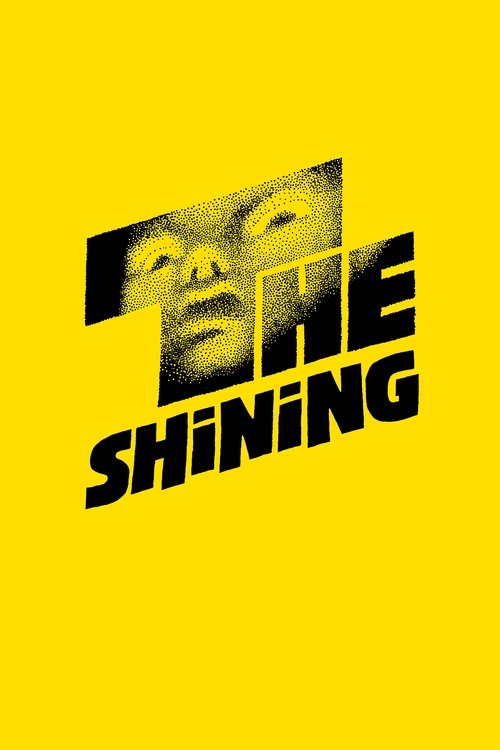
No queer characters, same-sex intimacy, or identity themes appear in the narrative. The focus remains entirely on the nuclear family unit and supernatural horror.
No characters identify as LGBTQ+, and no same-sex romance or intimacy is depicted. The narrative focuses entirely on racial dynamics within a heterosexual relationship.
No LGBTQ+ characters, same-sex romance, or identity discussions appear in the film. The narrative focuses entirely on culinary ambition and species boundaries.
No LGBTQ+ characters, same-sex romance, or gender-nonconforming identities appear on screen. All relationships are strictly platonic, fraternal, or hierarchical between male soldiers, civilians, and officers.
The film focuses on masculine combat bonds and does not depict any queer identities or subtext.
The film does not include any LGBTQ+ characters or non-straight relationships. The 1960s setting is portrayed through a strictly heterosexual lens without challenging these norms.
The film does not include explicit LGBTQ+ characters or same-sex relationships. The romantic focus is on the heterosexual relationship between Will Turner and Elizabeth Swann.
The film does not include any LGBTQ+ characters or narratives. The interpersonal dynamics focus on the protagonist's isolation and her eventual detachment from human social structures.
The film does not explicitly depict non-straight relationships or same-sex intimacy. Character dynamics center around traditional romantic and family relationships.
The film does not include any LGBTQ+ characters or explore non-cisgender identities. The narrative focuses solely on the protagonist's survival without addressing queer identities.
The film focuses on a relationship between Baby and Debora that assumes both are straight. There are no characters with non-traditional sexual orientations or gender identities.
The film does not include any non-straight or non-cisgender identities and does not challenge the assumption that everyone is straight or cisgender.
The film focuses on a strictly heterosexual and cisgender nuclear family. There are no visible LGBTQ+ characters or non-cisgender identities present.
The film does not include any explicit LGBTQ+ characters or narratives. The storyline centers on the biological and existential threats posed by an extraterrestrial entity.
The film does not include any LGBTQ+ characters or explore non-straight relationships. The main romantic and emotional storylines stay within a traditional heterosexual framework.
The film does not include any LGBTQ+ characters or non-cisgender identities. It focuses on a world dominated by hyper-masculine, heterosexual characters.
The film does not include any LGBTQ+ characters or explore non-straight relationships. The story centers on the survival dynamics between two main figures.
The story focuses on a relationship between Clark Kent and Lois Lane that assumes both are straight and cisgender. There are no characters or critiques that challenge these assumptions.
The film does not include any LGBTQ+ characters or narratives. The story centers around the relationship between the main characters and the criminal underworld.
The film lacks prominent LGBTQ+ characters or storylines. Interpersonal dynamics focus on traditional romantic tensions within straight-centered relationships.
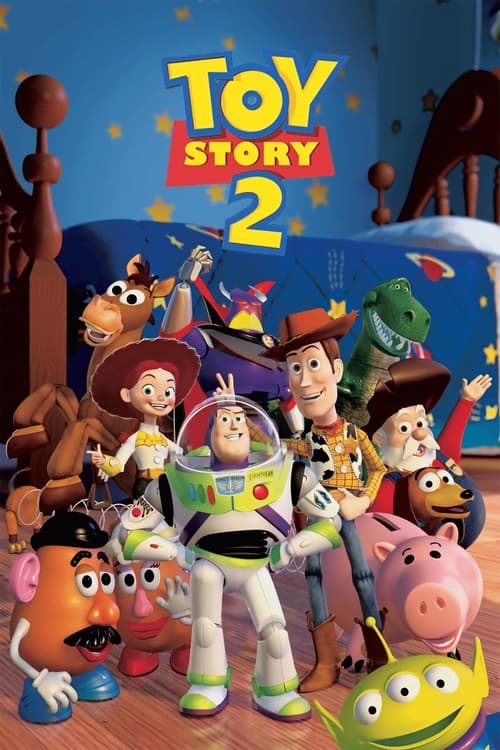
The film features an ensemble of anthropomorphic objects without explicitly depicting LGBTQ+ identities or non-conforming gender expressions.
The film does not include any LGBTQ+ characters or non-cisgender identities. The social framework remains focused on traditional heterosexual relationships.
The film focuses entirely on a male-dominated criminal ensemble. There are no depictions of same-sex relationships or non-binary gender identities.
The film does not include any LGBTQ+ characters or explore non-straight relationships. The romantic storyline focuses solely on a traditional heterosexual love triangle.
The film does not explicitly depict same-sex relationships or non-binary identities. Character interactions revolve around traditional heterosexual and family structures typical of high fantasy.
The film follows a traditional framework that assumes everyone is straight or cisgender. There are no depictions of same-sex relationships or non-cisgender identities.
The film does not engage with LGBTQ+ themes or non-straight identities. The social landscape is shown through a strictly traditional lens.
The film adheres to traditional assumptions about straight and cisgender relationships. It does not include any characters with non-traditional gender identities or same-sex relationships.
The film follows a conventional structure that assumes everyone is straight or cisgender. It does not prominently feature characters or stories centered around LGBTQ+ identities.
The film does not include any LGBTQ+ characters or explore non-straight relationships. Character interactions focus on friendship and traditional bonds.
The film does not include any LGBTQ+ characters or representations of same-sex relationships.
The film focuses on Spartan familial structures and martial brotherhood without showing any non-traditional gender identities or same-sex relationships.
The film does not include any LGBTQ+ characters or explore non-straight relationships. Relationships are portrayed through traditional mother-child dynamics.
The film focuses entirely on straight relationships and traditional masculine bonding. There is no presence of non-straight identities or queer narratives.
The film does not include any LGBTQ+ characters or narratives. It focuses solely on heterosexual relationships, such as the central romance between Peter Parker and Gwen Stacy.