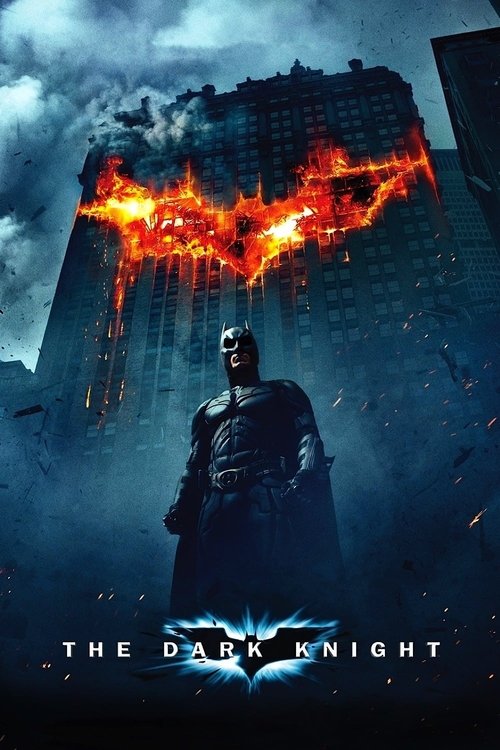
The Dark Knight
2008
No user ratings available yet
Representation score: 3.7 out of 10
Representation Score
Limited
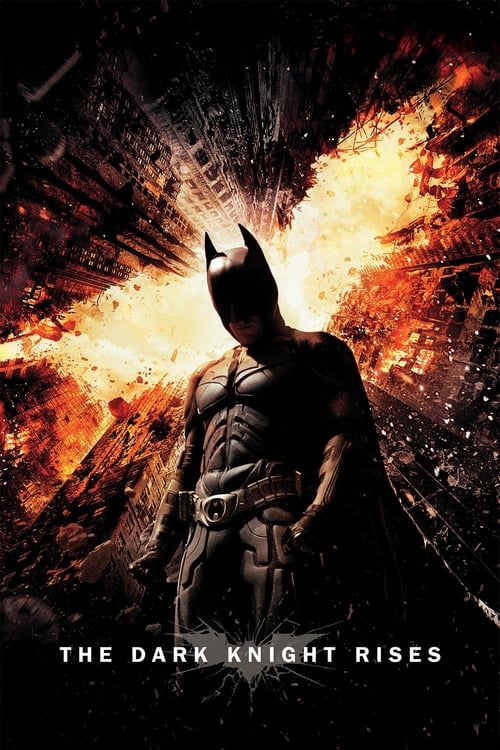
2012
PG-13Director
Christopher Nolan
Runtime
165 minutes
Average Rating
No ratings yetNew Showbiz Analysis
The Dark Knight Rises centers on Bruce Wayne’s physical and emotional recovery after eight years of isolation. Selina Kyle enters as a thief and becomes his equal, ultimately choosing freedom over domesticity. Bane’s revolution exposes Gotham’s class divide, but the film resolves by restoring the status quo. Gordon’s police force is validated as the legitimate arbiter of order. Bruce’s wealth is the tool that saves the city, not a target of redistribution. The closing image is a private moment between Bruce and Selina, emphasizing personal choice over public mandate.
Category Breakdown
No same-sex couples, romantic partners, or non-binary characters appear. The film features no queer dialogue, intimacy, or identity markers. All romantic dynamics are strictly heterosexual.
Selina Kyle acts as a competent, sexually autonomous partner who chooses to leave rather than settle. Bruce Wayne is physically broken and relies on Alfred and Selina for emotional and tactical support. The narrative treats male authority as fragile, with Bane’s hyper-masculinity framed as a destructive force defeated by individual will.
Bane serves as the foreign, revolutionary antagonist, coded by accent and rhetoric as an external threat. The cast is predominantly white, with no significant non-white characters holding power or moral weight. Class conflict is the primary lens, not racial or ethnic identity.
The film validates state force and police legitimacy through Commissioner Gordon. Bane’s class-based critique of wealth is acknowledged but ultimately rejected in favor of restoring the existing order. Bruce Wayne’s elite wealth is framed as necessary for stability, reinforcing traditional hierarchies of class and governance.
Bruce Wayne’s broken spine and leg are central to his arc, treated as real physical limitations requiring therapy and support. Bane’s breathing apparatus is a medical necessity, not a metaphor for evil. The film does not mock impairment but uses it to explore vulnerability and recovery.
Present on Screen
Limited or Absent
Official Synopsis
Following the death of District Attorney Harvey Dent, Batman assumes responsibility for Dent's crimes to protect the late attorney's reputation and is subsequently hunted by the Gotham City Police Department. Eight years later, Batman encounters the mysterious Selina Kyle and the villainous Bane, a new terrorist leader who overwhelms Gotham's finest. The Dark Knight resurfaces to protect a city that has branded him an enemy.
2008
1974
2005
2011
2012
2018
2010
2012
No reviews yet. Be the first to share your thoughts on this movie!
Use the rating form above to leave a star rating and optional review.