
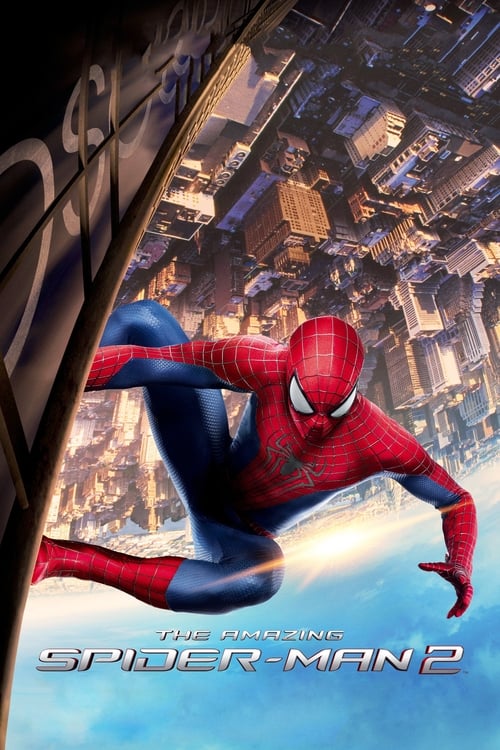
The Amazing Spider-Man
2012
No user ratings available yet
Representation score: 4.8 out of 10
Representation Score
Fair
2014
PG-13Director
Marc Webb
Runtime
141 minutes
Average Rating
No ratings yetNew Showbiz Analysis
The film follows traditional superhero genre conventions, limiting its impact on progressive representation. While it presents an intelligent female lead and critiques corporate ethics, these elements are overshadowed by a lack of diverse casting and reliance on conventional clichés. The narrative heavily depends on established romantic and tragic clichés. The central characters reflect a homogeneous demographic, and the depiction of disability serves mainly as a plot device for villainy, rather than a nuanced exploration of lived experiences.
Category Breakdown
The film does not include any LGBTQ+ characters or narratives. It focuses solely on heterosexual relationships, such as the central romance between Peter Parker and Gwen Stacy.
Gwen Stacy is portrayed as an intelligent and proactive character. However, her role is closely tied to her romantic relationship, reinforcing traditional damsel-in-distress clichés.
The cast is predominantly white, with few characters representing diverse racial backgrounds. Despite being set in New York, the main characters and antagonists are mostly depicted as Anglo-Saxon.
The narrative criticizes corporate misconduct through Oscorp's actions. Electro is portrayed as a victim of systemic neglect, adding a layer of sympathy to the antagonist.
The film deals with terminal illness through Harry Osborn’s degenerative condition. This portrayal leans towards the 'tragic victim' cliché, using illness as a catalyst for villainous behavior.
Present on Screen
Limited or Absent
Official Synopsis
For Peter Parker, life is busy. Between taking out the bad guys as Spider-Man and spending time with the person he loves, Gwen Stacy, high school graduation cannot come quickly enough. Peter has not forgotten about the promise he made to Gwen’s father to protect her by staying away, but that is a promise he cannot keep. Things will change for Peter when a new villain, Electro, emerges, an old friend, Harry Osborn, returns, and Peter uncovers new clues about his past.
2012
2016
2004
2009
2007
2020
2016
2009
No reviews yet. Be the first to share your thoughts on this movie!
Use the rating form above to leave a star rating and optional review.