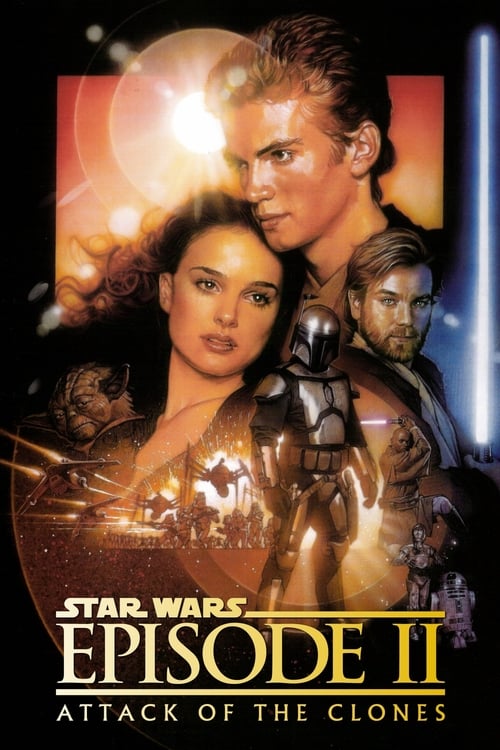
Star Wars: Episode II - Attack of the Clones
2002
No user ratings available yet
Representation score: 7.5 out of 10
Representation Score
Good
1999
PGDirector
George Lucas
Runtime
136 minutes
Average Rating
No ratings yetNew Showbiz Analysis
The film uses speculative fiction to challenge traditional power structures. By placing women in high-stakes political positions and depicting corporate entities as antagonists, it disrupts mid-century heroic narratives. Diversity is often expressed through alien species, serving as vehicles for exploring systemic 'otherness.' This approach allows for a sophisticated exploration of social exclusion without relying on terrestrial clichés. While the film excels in political and biological diversity, it lacks explicit LGBTQ+ representation and does not delve deeply into disabilities.
Category Breakdown
The film does not include any LGBTQ+ characters or non-cisgender identities. The social framework remains focused on traditional heterosexual relationships.
Queen Amidala demonstrates strong leadership, challenging traditional gender roles through her sovereign authority. Despite the male-dominated Jedi narrative, her leadership and the handmaidens provide meaningful roles for women.
Diverse alien species represent various races and ethnicities, offering a sophisticated way to explore social issues. The story also examines socioeconomic changes through Anakin Skywalker’s transition from slavery to a chosen destiny.
The narrative critiques predatory capitalism through the Trade Federation and highlights tensions between organized religion and personal spirituality. It also portrays the corruption of centralized political institutions.
Force sensitivity can be seen as a metaphor for neurodivergence or invisible abilities. However, these traits primarily function as plot drivers rather than deep explorations of lived experiences.
Present on Screen
Limited or Absent
Official Synopsis
Anakin Skywalker, a young slave strong with the Force, is discovered on Tatooine. Meanwhile, the evil Sith have returned, enacting their plot for revenge against the Jedi.
2002
1984
2005
2008
2015
1980
1977
2006
No reviews yet. Be the first to share your thoughts on this movie!
Use the rating form above to leave a star rating and optional review.