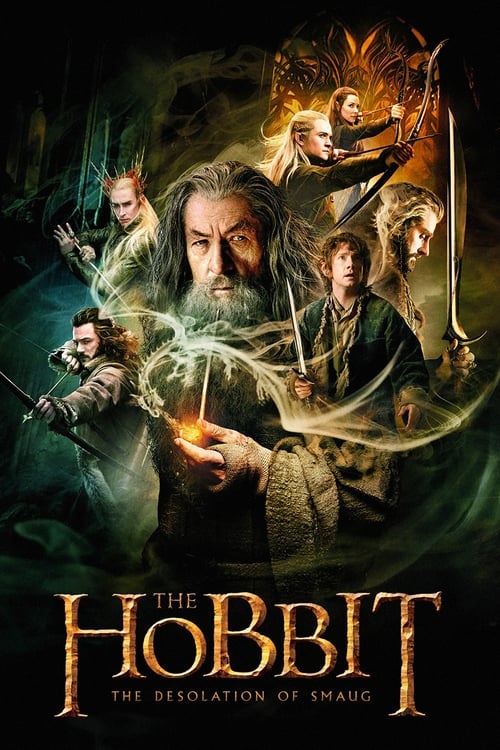
The Hobbit: The Desolation of Smaug
2013
No user ratings available yet
Representation score: 4.9 out of 10
Representation Score
Fair
2014
PG-13Director
Peter Jackson
Runtime
144 minutes
Average Rating
No ratings yetNew Showbiz Analysis
The film operates within a traditionally male-dominated structure but avoids simplistic heroic narratives. Instead, it delves into nuanced critiques of power and systemic corruption. While the film’s representation of identity focuses on fantasy races rather than real-world demographics, it uses these factions to explore themes of displacement and territorial conflict. This provides a rich framework for discussing group identity. Ultimately, the film's strength lies in its moral ambiguity. Characters are driven by complex motivations rather than idealized virtues, challenging conventional depictions of authority and materialism.
Category Breakdown
The film does not explicitly depict same-sex relationships or non-binary identities. Character interactions revolve around traditional heterosexual and family structures typical of high fantasy.
Despite a predominantly male cast, Tauriel stands out as a strong female character who plays a significant role in driving the story. She challenges the passive female stereotype by taking an active combat role.
Diversity is shown through fantasy races such as Dwarves, Elves, and Men. The story explores systemic tensions and group identity through conflicts between these different groups.
The story critiques the accumulation of wealth and authority, showing how greed can corrupt social order and traditional institutions. Resources are portrayed as a double-edged sword that can both build and destroy.
War and physical injuries are used as plot devices, but there is little exploration of neurodivergence or specific disabilities. These elements primarily serve as catalysts for the plot rather than as character development.
Present on Screen
Limited or Absent
Official Synopsis
Following Smaug's attack on Laketown, Bilbo and the dwarves try to defend Erebor's mountain of treasure from others who claim it: the men of the ruined Laketown and the elves of Mirkwood. Meanwhile an army of Orcs led by Azog the Defiler is marching on Erebor, fueled by the rise of the dark lord Sauron. Dwarves, elves and men must unite, and the hope for Middle-Earth falls into Bilbo's hands.
2013
1977
2012
2000
2003

1978
2002
1984
No reviews yet. Be the first to share your thoughts on this movie!
Use the rating form above to leave a star rating and optional review.