
Mektoub, My Love: Canto Uno
2018
No user ratings available yet
Representation score: 6.0 out of 10
Representation Score
Good
2013
NC-17Director
Abdellatif Kechiche
Runtime
180 minutes
Average Rating
No ratings yetNew Showbiz Analysis
The film stands out by placing queer desire at the heart of the cinematic experience, breaking away from conventional storytelling structures. It goes beyond token representation to delve into the intricacies of same-sex intimacy and identity. While the narrative is deeply engaged with gender and sexuality, it falls short in terms of ethnic diversity. The cast is largely homogeneous, limiting the scope of racial representation. Overall, the film succeeds through its nuanced exploration of gender, sexuality, and socioeconomic class, creating a sophisticated portrayal of human connections.
Category Breakdown
The film centers its narrative around a lesbian relationship, exploring themes of sexual awakening and domestic life without relegating these elements to minor roles. It provides a strong foundation for queer cinema by focusing on these themes throughout the story.
The story is driven by the female characters' ability to act and intellectual growth. The film challenges traditional gender roles by showing a range of strengths and vulnerabilities among the protagonists, highlighting their evolving power dynamics.
The cast is predominantly made up of actors from similar ethnic backgrounds. However, the film adds depth to its characters by using socioeconomic differences to highlight their varied social positions.
The narrative critiques class distinctions and societal pressures. By prioritizing complex, messy truths over a simple moral framework, the film challenges traditional Western romantic drama clichés.
There are no characters with visible or invisible disabilities in this film.
Present on Screen
Limited or Absent
Official Synopsis
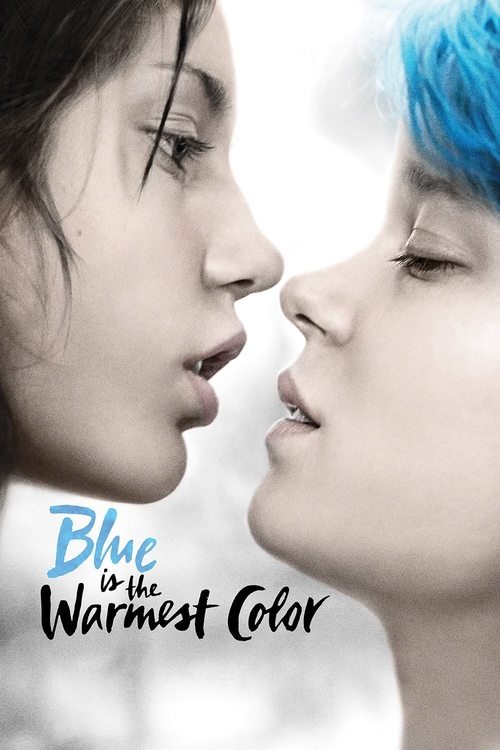
Adèle's life is changed when she meets Emma, a young woman with blue hair, who will allow her to discover desire, to assert herself as a woman and as an adult. In front of others, Adele grows, seeks herself, loses herself, finds herself.
2018
2012
1994
2011

2013

2017
2014

1998
No reviews yet. Be the first to share your thoughts on this movie!
Use the rating form above to leave a star rating and optional review.