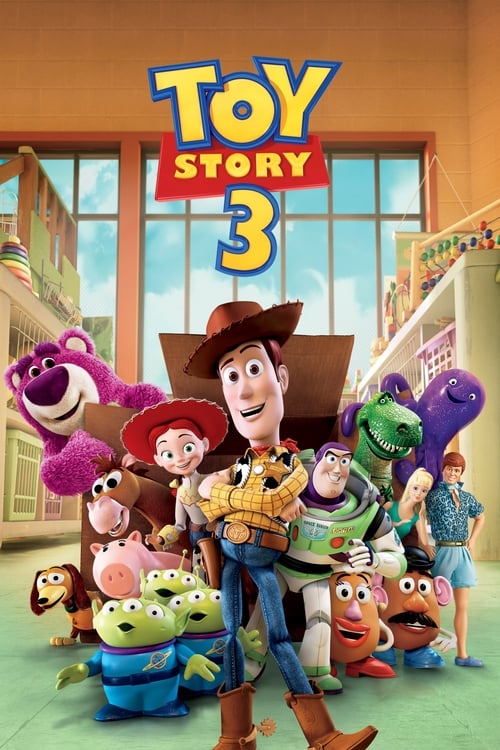
Toy Story 3
2010
No user ratings available yet
Representation score: 5.6 out of 10
Representation Score
Fair
1999
GDirector
John Lasseter
Runtime
92 minutes
Average Rating
No ratings yetNew Showbiz Analysis
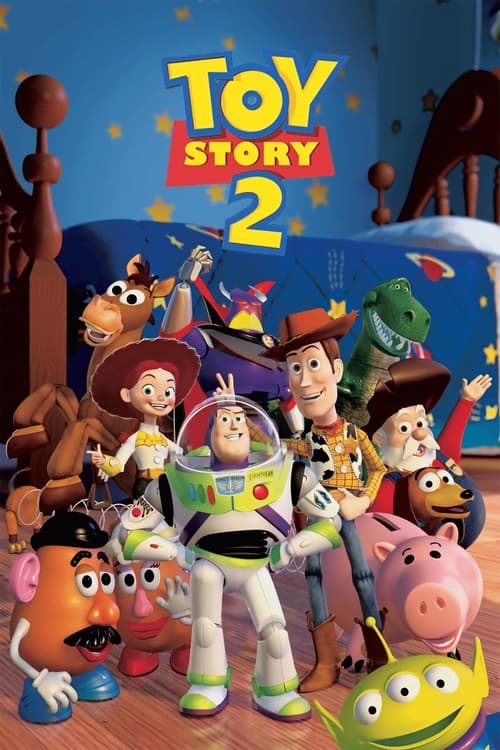
Toy Story 2 stands out for its strong female character, Jessie, who actively influences the story. This contrasts with passive female roles common in late-90s family entertainment. The film's thematic depth includes a critique of consumerism and the dehumanizing nature of commodification. However, it lacks diverse representation, focusing on a homogeneous, traditional Western social framework.
Category Breakdown
The film does not include any LGBTQ+ characters or explore non-straight relationships. Character interactions focus on friendship and traditional bonds.
Jessie is portrayed as a strong, proactive character who drives the story. The film passes the Bechdel test by having meaningful conversations between female characters about the plot.
Since the characters are anthropomorphic objects, traditional racial metrics do not apply. The setting is a homogeneous, middle-class suburban environment typical of 1990s animation.
The narrative criticizes consumer capitalism by depicting collectors as figures who commodify sentient beings. The story centers on traditional Western family values.
No characters are defined by physical or neurodivergent disabilities. However, the film explores psychological trauma and the emotional impact of abandonment through Jessie's storyline.
Present on Screen
Limited or Absent
Official Synopsis
Andy heads off to Cowboy Camp, leaving his toys to their own devices. Things shift into high gear when an obsessive toy collector named Al McWhiggen, owner of Al's Toy Barn kidnaps Woody. Andy's toys mount a daring rescue mission, Buzz Lightyear meets his match and Woody has to decide where he and his heart truly belong.
2010
2000
1995

1997

2001
1981
2006
2005
No reviews yet. Be the first to share your thoughts on this movie!
Use the rating form above to leave a star rating and optional review.