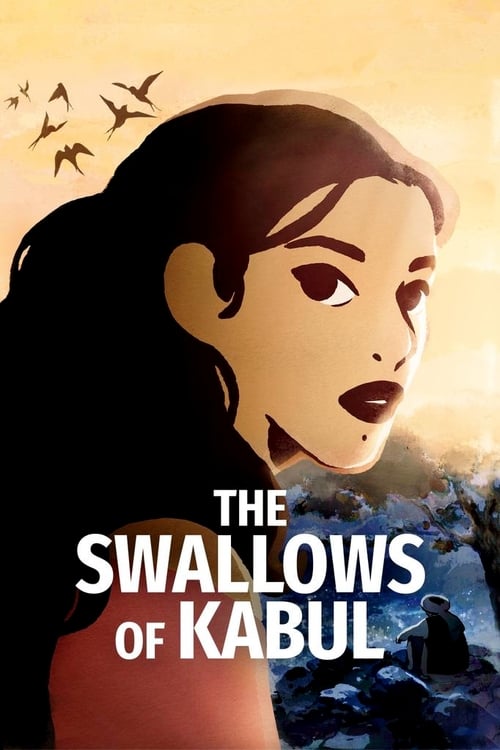
The Swallows of Kabul
2019
No user ratings available yet
Representation score: 8.7 out of 10
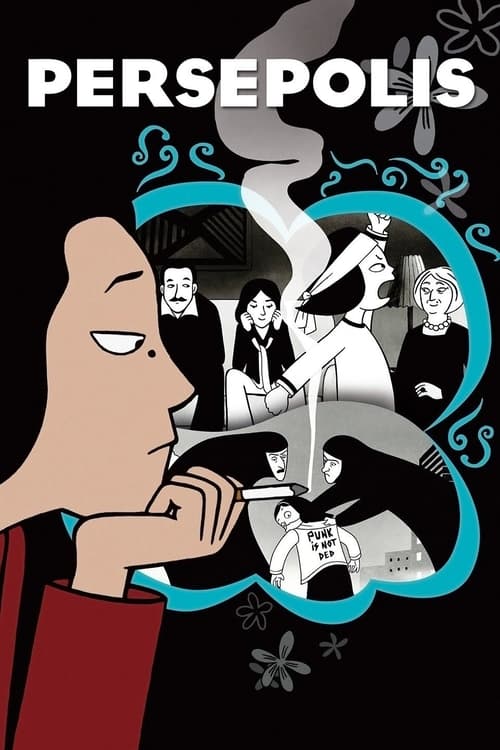
Representation Score
Good
2007
PG-13Director
Vincent Paronnaud, Marjane Satrapi
Runtime
95 minutes
Average Rating
No ratings yetNew Showbiz Analysis
Persepolis is a powerful deconstruction of theocratic power dynamics. By centering an autobiographical, post-colonial perspective, the film successfully challenges dominant geopolitical narratives and celebrates individual ability to act against a repressive state. The film excels in its portrayal of Middle Eastern identity and the subversion of gender hierarchies. It moves beyond surface-level clichés to offer a sophisticated critique of how religious hegemony impacts personal liberty. While the film lacks specific LGBTQ+ character development, its focus on reclaiming identity from state-sanctioned mandates provides a strong foundation for its high overall diversity score.
Category Breakdown
The film doesn't include explicit LGBTQ+ character arcs or romantic pairings. Instead, it focuses on the broader struggle for secular autonomy and the rejection of state-mandated gender roles.
Marji demonstrates a significant role in driving the story by using Western fashion and music to rebel against patriarchal control. The story highlights how women navigate systemic repression under a fundamentalist regime.
This work provides a nuanced portrayal of Iranian life that avoids Westernized caricatures. It centers a non-Western perspective to disrupt traditional Anglo-centric cinematic views.
The narrative critiques religious institutions as instruments of state oppression rather than moral guidance. It explores the tension between private intellectual freedom and public religious conformity.
There are no prominent depictions of physical or neurodivergent disabilities that serve as central narrative drivers.
Present on Screen
Limited or Absent
Official Synopsis
In 1970s Iran, Marjane 'Marji' Satrapi watches events through her young eyes and her idealistic family of a long dream being fulfilled of the hated Shah's defeat in the Iranian Revolution of 1979. However as Marji grows up, she witnesses first hand how the new Iran, now ruled by Islamic fundamentalists, has become a repressive tyranny on its own.
2019

2016
2016
1983
1988
2017
2022
2014
No reviews yet. Be the first to share your thoughts on this movie!
Use the rating form above to leave a star rating and optional review.