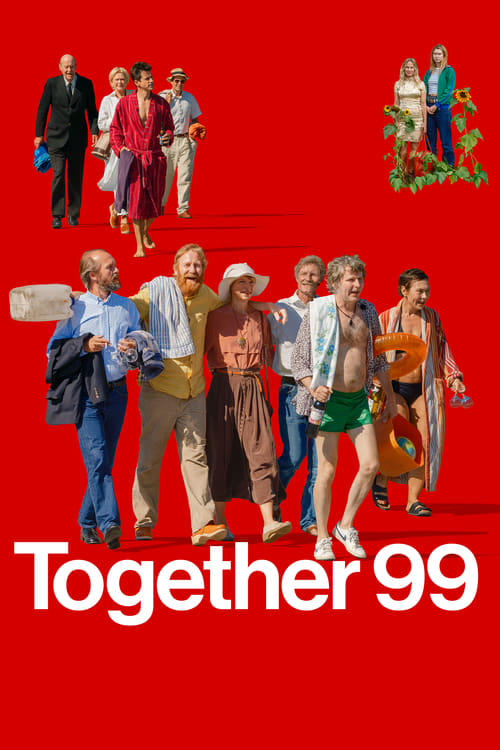
Together 99
2023
No user ratings available yet
Representation score: 6.1 out of 10

Representation Score
Excellent
2000
RDirector
Lukas Moodysson
Runtime
106 minutes
Average Rating
No ratings yetNew Showbiz Analysis
Together is a sophisticated deconstruction of the 1970s Swedish social fabric. By using a radical leftist commune, the film dismantles the idealized nuclear family and challenges patriarchal dominance. Its strength lies in its critique of Western institutions and refusal to moralize interpersonal dysfunction. However, the film's scope is demographically narrow, reflecting the specific socio-political context of the era without broader racial or ethnic diversity. While it subverts gender roles, it lacks prominent LGBTQ+ identities or specific disability representation. Ultimately, the film offers a progressive study of political discourse centered around identity, trading traditional demographic breadth for a deep subversion of social hierarchies and capitalist values.
Category Breakdown
While the film does not prominently feature same-sex relationships or non-cisgender identities, it challenges traditional domestic structures by promoting communal living over conventional marriages.
The film overturns traditional gender hierarchies through a communal structure that emphasizes female leadership. Masculinity is often portrayed through emotional instability or domestic incompetence.
The film reflects the demographic reality of 1970s Swedish radical movements, avoiding harmful stereotypes but lacking diverse ethnic casting or race-bending.
The film critiques capitalism and bourgeois values through a communal perspective. It portrays traditional institutions like the nuclear family as restrictive and ideologically oppressive.
The story touches on psychological and emotional instability within the community but does not feature characters whose primary role is defined by a specific disability.
Present on Screen
Limited or Absent
Official Synopsis
Elisabeth leaves her abusive and drunken husband Rolf, and goes to live with her brother, Göran. The year is 1975 and Göran lives in a commune called Together. Living in this leftist commune Elisabeth learns that the world can be viewed from different perspectives.
2023

2000
1976
1980
2000

2012

2007

2003
No reviews yet. Be the first to share your thoughts on this movie!
Use the rating form above to leave a star rating and optional review.