Wondrous Boccaccio
2015
No user ratings available yet
Representation score: 6.2 out of 10
Representation Score
Good
2017
RDirector
Jeff Baena
Runtime
90 minutes
Average Rating
No ratings yetNew Showbiz Analysis
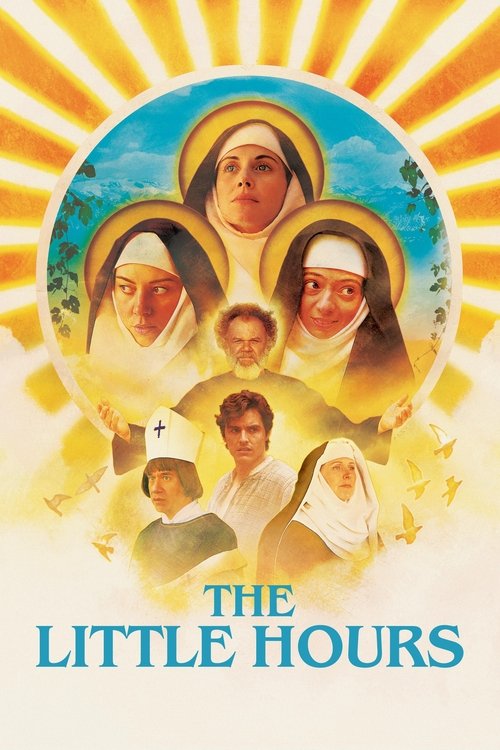
The Little Hours is a subversive comedy that challenges traditional Western religious institutions. It succeeds by overturning gendered expectations of femininity and piety, focusing instead on personal experiences and pleasure. While the film excels in subverting gender hierarchies and religious norms, its demographic scope is limited. The historical setting leads to a lack of racial diversity, which affects its overall score. Ultimately, the film highlights the pursuit of individual freedom over established social and religious structures.
Category Breakdown
The film focuses on female-to-female intimacy and explores non-traditional desires. It uses queer themes to highlight bodily autonomy and non-straight relationships as key drivers for character growth.
Female characters have strong roles, showcasing intelligence and physical freedom. The convent provides a space for female-led enjoyment rather than strict religious rules.
The cast is fairly uniform, reflecting the 14th-century Italian setting. The story avoids casting actors from diverse backgrounds to broaden its scope.
The plot emphasizes secularism and personal freedom over religious doctrine. It portrays the rejection of religious discipline and sacred vows as a form of comedic empowerment.
There is no significant evidence regarding the portrayal of visible or invisible disabilities within the narrative.
Present on Screen
Limited or Absent
Official Synopsis
Garfagnana, Italy, 1347. The handsome servant Masseto, fleeing from his vindictive master, takes shelter in a nunnery where three young nuns, Sister Alessandra, Sister Ginevra and Sister Fernanda, try unsuccessfully to find out what their purpose in life is, a conundrum that each of them faces in different ways.
2015
1967

2018
1971
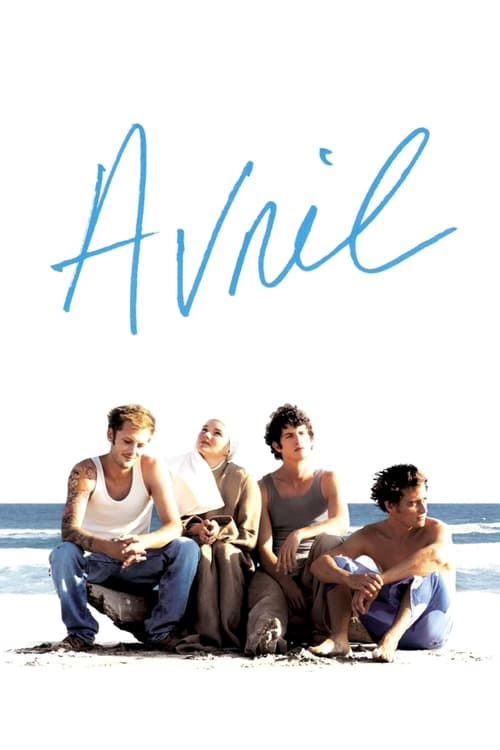
2006
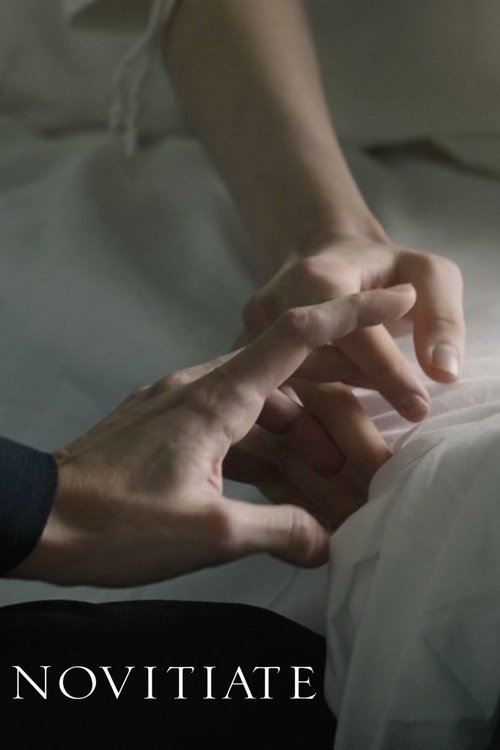
2017
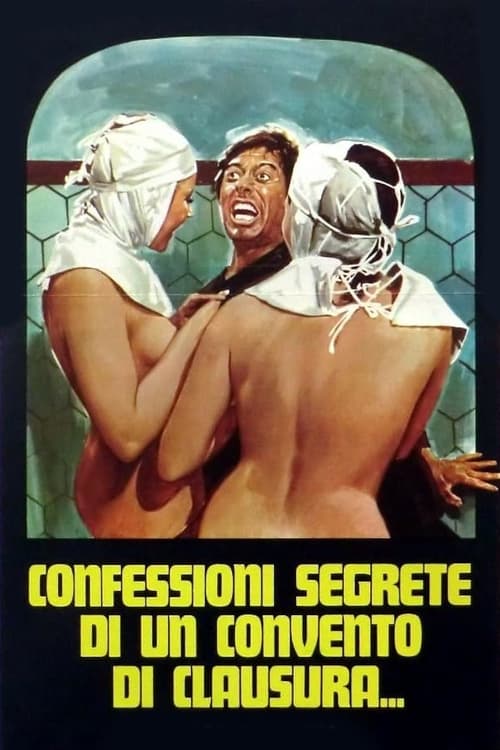
1972
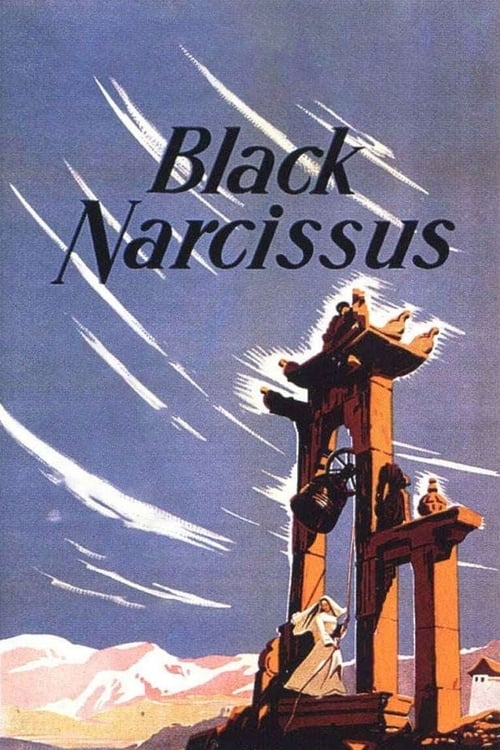
1947
No reviews yet. Be the first to share your thoughts on this movie!
Use the rating form above to leave a star rating and optional review.