Don't Think Twice
2016
No user ratings available yet
Representation score: 6.6 out of 10
Representation Score
Excellent
2017
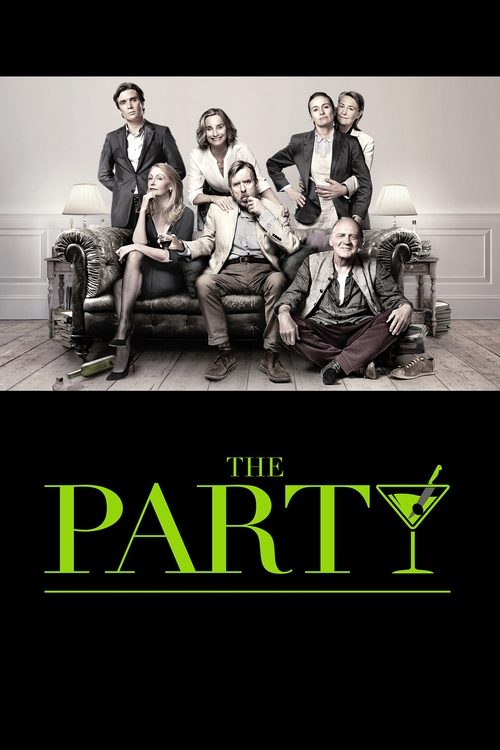
RDirector
Sally Potter
Runtime
71 minutes
Average Rating
No ratings yetNew Showbiz Analysis
Sally Potter’s film succeeds by dismantling traditional social hierarchies through a focused, dialogue-driven format. It prioritizes identity-driven discussions, particularly by subverting patriarchal power and centering women's ability to drive the story. The film treats diverse identities as natural components of a complex social group rather than mere stereotypes. However, the film lacks specific representation of disabilities, remaining neutral on this issue. While the ensemble is multi-ethnic, the focus remains on the intellectual and political maneuvering of a specific professional class. Ultimately, the work functions as a postmodern deconstruction of social decorum and institutional stability, using a diverse cast to critique the fragmentation of modern Western values.
Category Breakdown
Queer identities are integrated naturally into the characters' relationships and interactions, rather than being used solely as plot devices or spectacles.
The film challenges traditional gender hierarchies by emphasizing female intellect and ability to act. Male characters are often shown as vulnerable or incompetent, shifting the focus away from traditional patriarchal structures.
The ensemble includes a variety of ethnicities, providing a more multi-layered view of the modern British professional class and challenging Anglo-centric norms.
The narrative critiques neoliberalism and Western political institutions by highlighting the subjective biases and shifting allegiances of the characters.
There is no significant or specialized focus on visible or invisible disabilities. The film remains neutral, focusing instead on psychological and political friction.
Present on Screen
Limited or Absent
Official Synopsis
Various individuals think they’re coming together for a party in a private home, but a series of revelations results in a huge crisis that throws their belief systems – and their values – into total disarray.
2016

2007

2021

2014
2016

2020
2017
2016
No reviews yet. Be the first to share your thoughts on this movie!
Use the rating form above to leave a star rating and optional review.