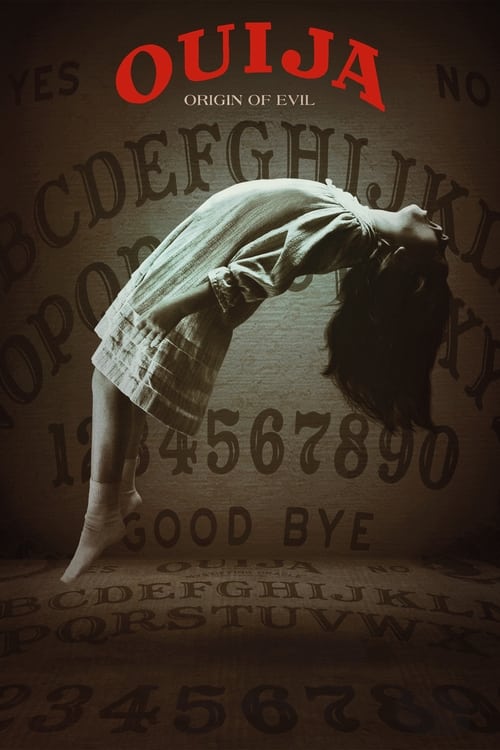
Ouija: Origin of Evil
2016
No user ratings available yet
Representation score: 2.9 out of 10
Representation Score
Minimal
2014
RDirector
John R. Leonetti
Runtime
99 minutes
Average Rating
No ratings yetNew Showbiz Analysis
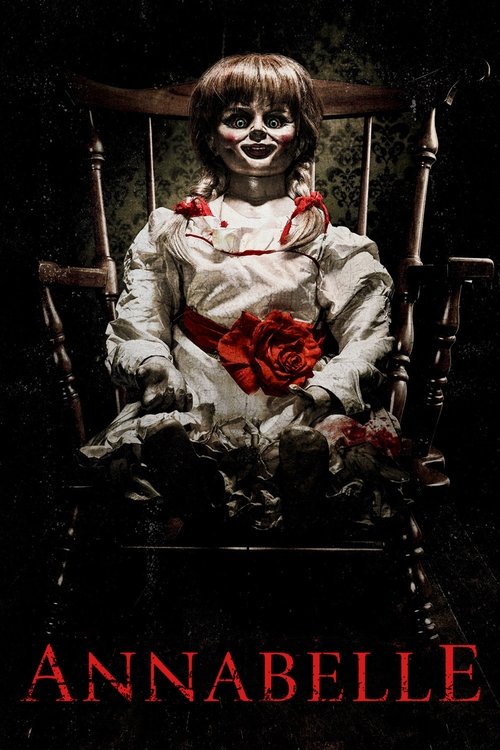
Annabelle functions as a traditional horror film that reinforces established social hierarchies rather than challenging them. The narrative structure relies heavily on conventional family structures and religious authority to create a moral binary. The film's setting and character dynamics prioritize a singular, conservative perspective. By focusing on a white, middle-class couple in the 1960s, the story maintains a narrow social scope that lacks complexity in reflecting multiple aspects of identity. Ultimately, the film upholds traditional domestic roles and institutional stability, offering very little in the way of progressive representation or diverse cultural perspectives.
Category Breakdown
The film does not include any LGBTQ+ characters or representations of non-straight relationships. It focuses solely on heterosexual relationships and assumes everyone is cisgender.
Gender roles in the film follow traditional hierarchies. The male protagonist is the main protector, while the female lead is defined by her maternal instincts and emotional responses to loss.
The cast is primarily made up of white, middle-class characters. The 1960s setting highlights a socially homogeneous environment with limited racial diversity among the main characters.
The story emphasizes Western values, particularly the sanctity of the nuclear family and religious institutions. Christian rituals play a key role in protecting against supernatural threats.
There is no significant representation of physical or neurological disabilities. Psychological trauma is used as a standard horror element rather than a nuanced exploration of mental health issues.
Present on Screen
Limited or Absent
Official Synopsis
A couple begins to experience terrifying supernatural occurrences involving a vintage doll shortly after their home is invaded by satanic cultists.
2016
1979
2015
2002
2015
2012
2014
2015
No reviews yet. Be the first to share your thoughts on this movie!
Use the rating form above to leave a star rating and optional review.