
Berlin: Symphony of a Great City
1927
No user ratings available yet
Representation score: 2.3 out of 10
Representation Score
Limited
1929
Not RatedDirector
Dziga Vertov
Runtime
68 minutes
Average Rating
No ratings yetNew Showbiz Analysis
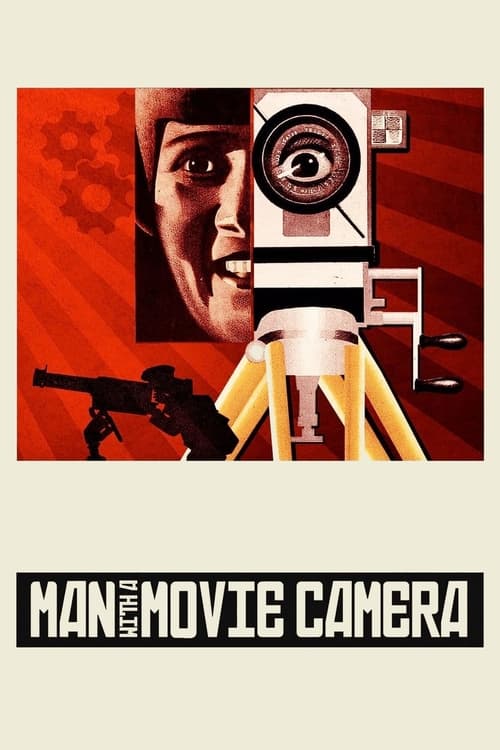
Dziga Vertov’s masterpiece dismantles traditional, bourgeois narrative structures in favor of a revolutionary, technological perspective. By replacing the individual hero with a collective rhythm, the film challenges conventional cinematic hierarchies and passive consumption. While the work excels in its cultural and structural disruption, it lacks specific markers of diversity. The focus on a unified socialist identity means that individualistic or non-straight narratives are absent from the urban tapestry. Ultimately, the film prioritizes the vitality of the collective over private property and individual achievement, using the 'Cine-Eye' to reframe the viewer's relationship with reality.
Category Breakdown
The film focuses on urban rhythms and industrial machinery without featuring any LGBTQ+ characters or stories about non-straight identities.
Women are shown as active participants in the modernizing state, working as workers, mothers, and pedestrians. This portrayal integrates women into the industrial fabric, challenging traditional domestic roles and singular male heroes.
The film showcases a diverse cross-section of the Soviet population across various urban centers. It highlights a shared working-class identity rather than specific ethnic or individual distinctions.
This work is a profound exploration of anti-capitalist sentiment, celebrating collective labor and the socialist project. It deconstructs Western narrative consumerism by focusing on the filmmaking process itself.
There are no prominent depictions of disability used as a narrative device. The visual focus remains on the physical vigor of the urban collective.
Present on Screen
Limited or Absent
Official Synopsis
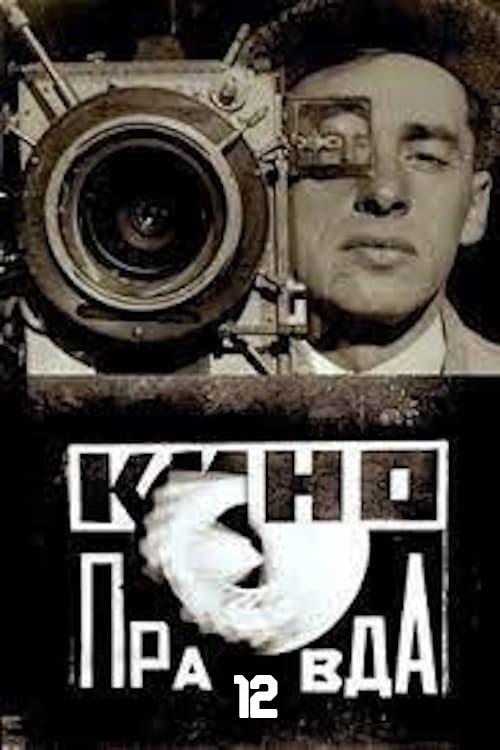
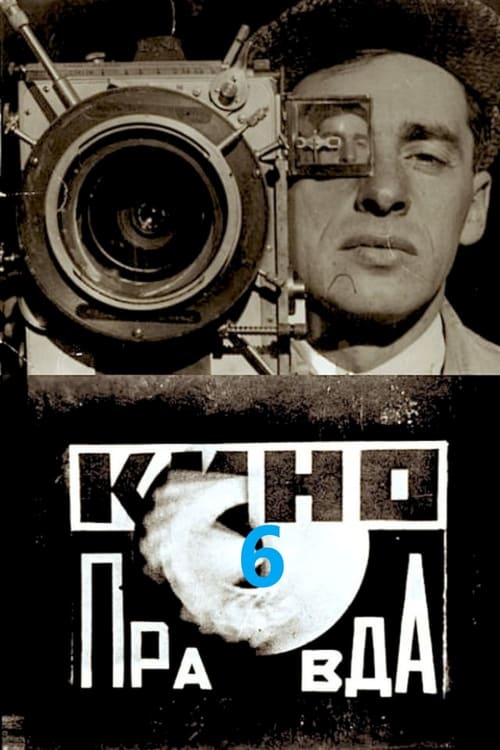
A cameraman wanders around with a camera slung over his shoulder, documenting urban life with dazzling inventiveness.
1927
1961
1924
2013

1922
1922
1922

1922
No reviews yet. Be the first to share your thoughts on this movie!
Use the rating form above to leave a star rating and optional review.