
Borley Rectory
2017
No user ratings available yet
Representation score: 1.1 out of 10
Representation Score
Good
1922
Not RatedDirector
Benjamin Christensen
Runtime
105 minutes
Average Rating
No ratings yetNew Showbiz Analysis
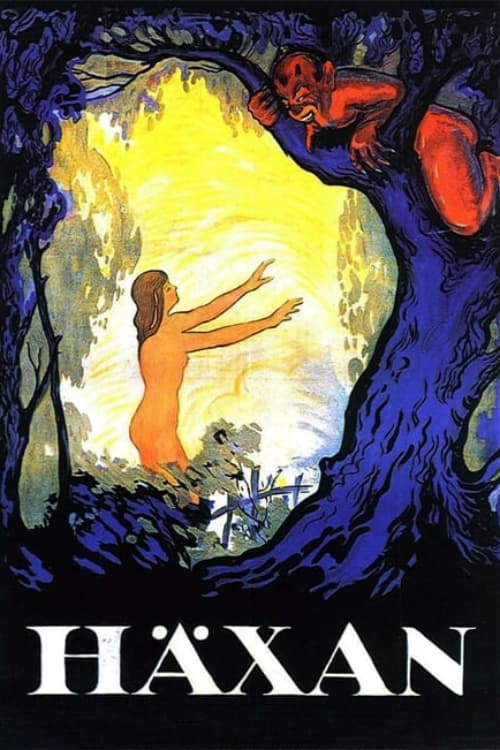
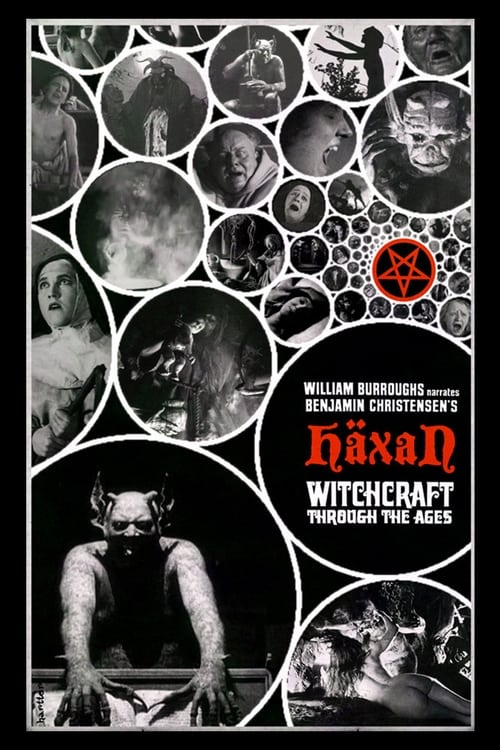
Häxan is a sophisticated blend of documentary and horror that uses historical vignettes to challenge institutional power. Its strength lies in its psychological inquiry, particularly regarding how religious dogma fueled mass hysteria and the repression of women. While the film excels at deconstructing Western religious structures and exploring mental health through a historical lens, it remains limited by its era. The cast lacks racial diversity, and there is no representation of LGBTQ+ identities. Ultimately, the film is a landmark of analytical storytelling. It succeeds in portraying the 'moral' guardians of history as the true architects of inhumanity, providing a nuanced look at how society treats the underrepresented.
Category Breakdown
The film does not include any LGBTQ+ characters or narratives. It focuses on historical witchcraft and the psychological factors behind mass hysteria.
The narrative challenges patriarchal hierarchies by focusing on women who navigate systemic persecution. It highlights how patriarchal religious orders sought to control women’s autonomy and bodies.
The cast is predominantly white, reflecting its European setting. While it lacks diverse racial backgrounds, it maintains a gritty, historically grounded aesthetic.
The film provides a critical examination of religious authority and the Inquisition. It portrays the Church as an engine of systemic violence rather than a moral institution.
The film explores neurodivergence by framing witchcraft as psychological distress. It presents these mental states as complex realities rather than simple caricatures.
Present on Screen
Limited or Absent
Official Synopsis
Grave robbing, torture, possessed nuns, and a satanic Sabbath: Benjamin Christensen's legendary film uses a series of dramatic vignettes to explore the scientific hypothesis that the witches of the Middle Ages suffered the same hysteria as turn-of-the-century psychiatric patients. But the film itself is far from serious-- instead it's a witches' brew of the scary, gross, and darkly humorous.
2017
1968
1968
1943
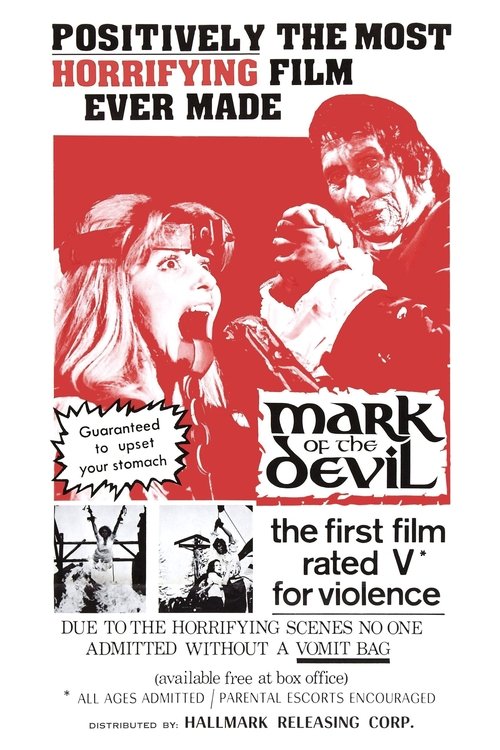
1970
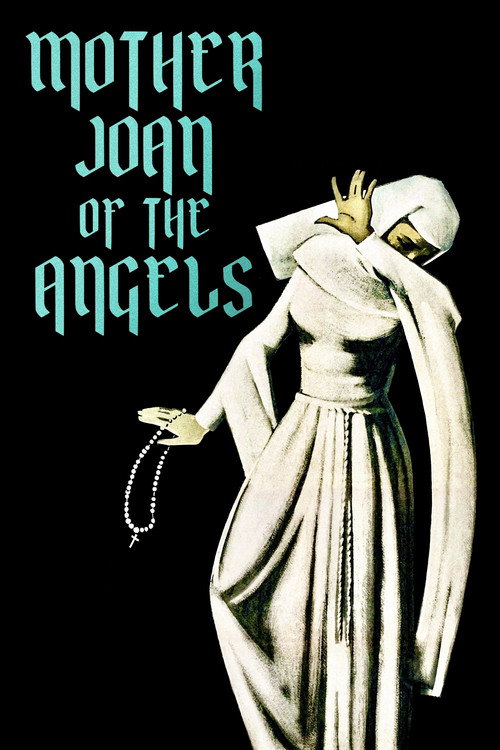
1961
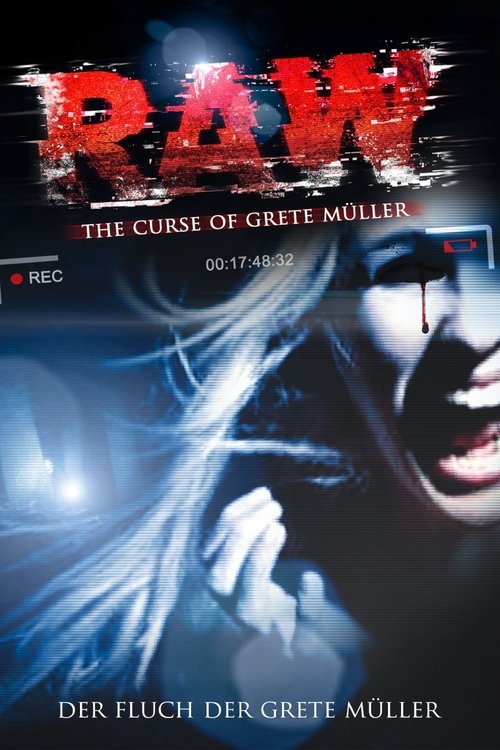
2013
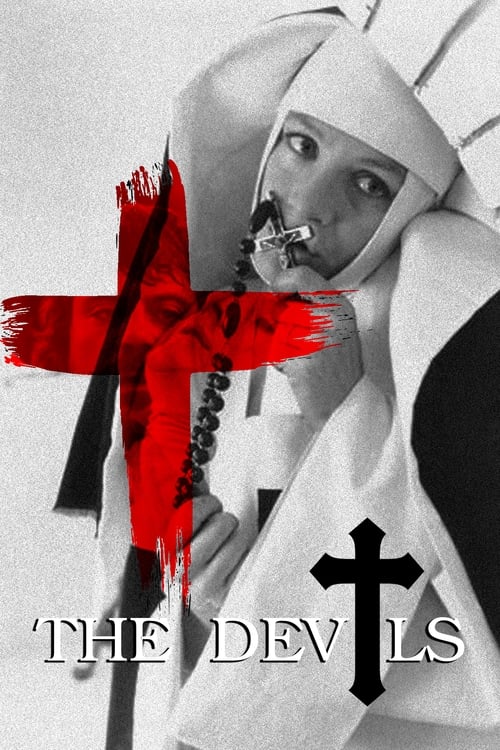
1971
No reviews yet. Be the first to share your thoughts on this movie!
Use the rating form above to leave a star rating and optional review.